

Newsroom
Beyond the Remote: Understanding Drones, eVTOLs, and the Gravity-Sensing Revolution
Beyond the Remote: Understanding Drones, eVTOLs, and the Gravity-Sensing Revolution
Low-altitude economy" is currently in a phase of explosive growth. If you've looked up recently, you may have noticed that the sky is becoming busier and more vibrant. But behind the hum of propellers, a quiet technological revolution is unfolding. Many people confuse the concepts of "drones" and "eVTOLs (Electric Vertical Takeoff and Landing Aircraft)," and some even think of eVTOLs as simply larger drones. However, these two technologies represent different futures. Whether you're a tech enthusiast or just tired of the morning rush-hour traffic, understanding the difference between UAVs (Unmanned Aerial Vehicles) and eVTOLs is key to grasping future trends. Today, we’ll break down these distinctions and introduce the game-changing "X-factor": Coolfly’s gravity-sensing technology.
1. Drone vs. eVTOL: What’s the Real Difference?
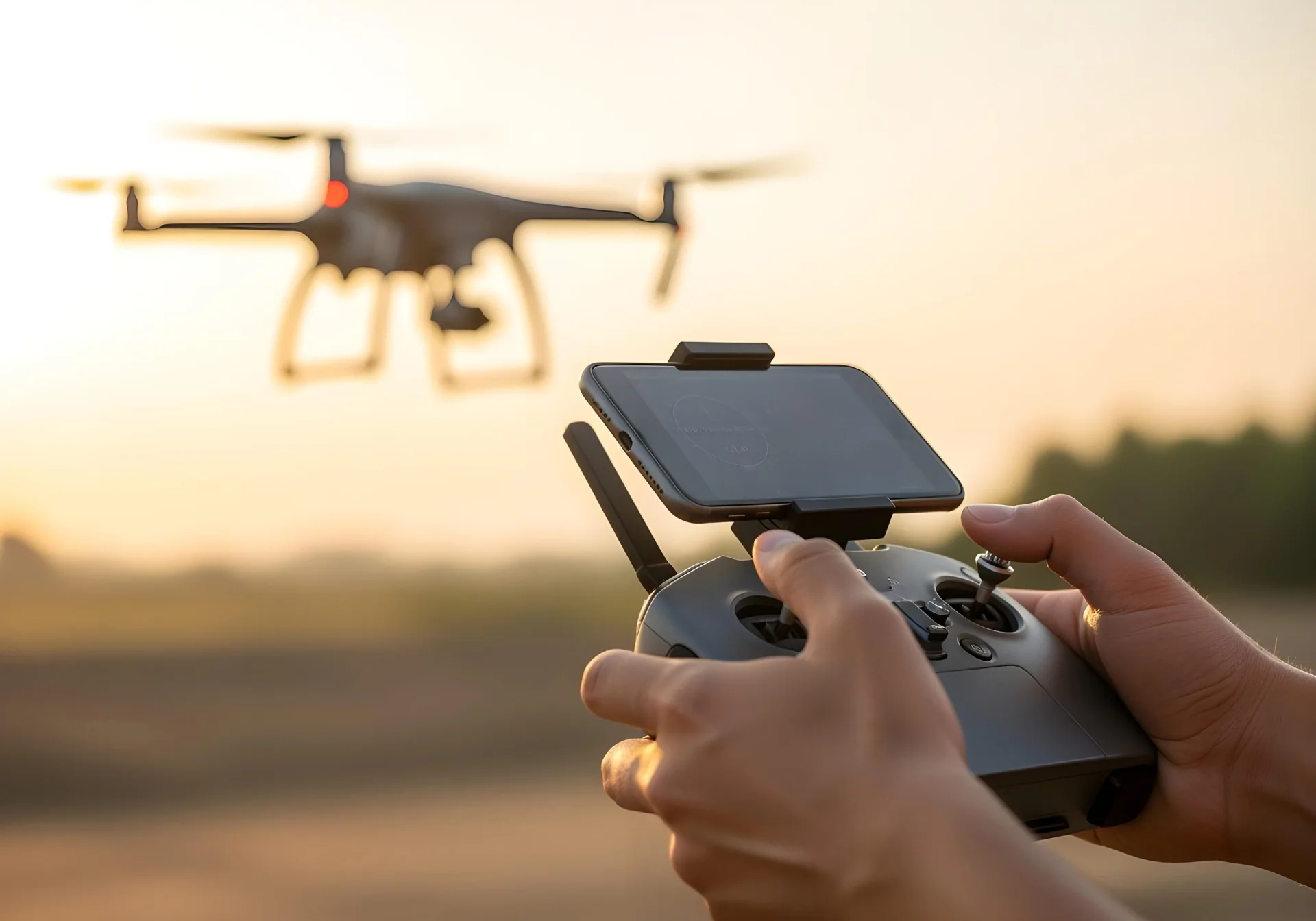
At first glance, both don’t need runways to take off or land, but their core genetics are vastly different:
Drone (UAV): Traditionally, drones are “unmanned aerial vehicles.” Ranging from mini toys to professional film equipment, their primary purpose is to carry cameras or sensors for work. You usually control them with a joystick while watching a screen. They are lightweight tools that don’t carry passengers, functioning as aerial photographers, farmers, and delivery workers.
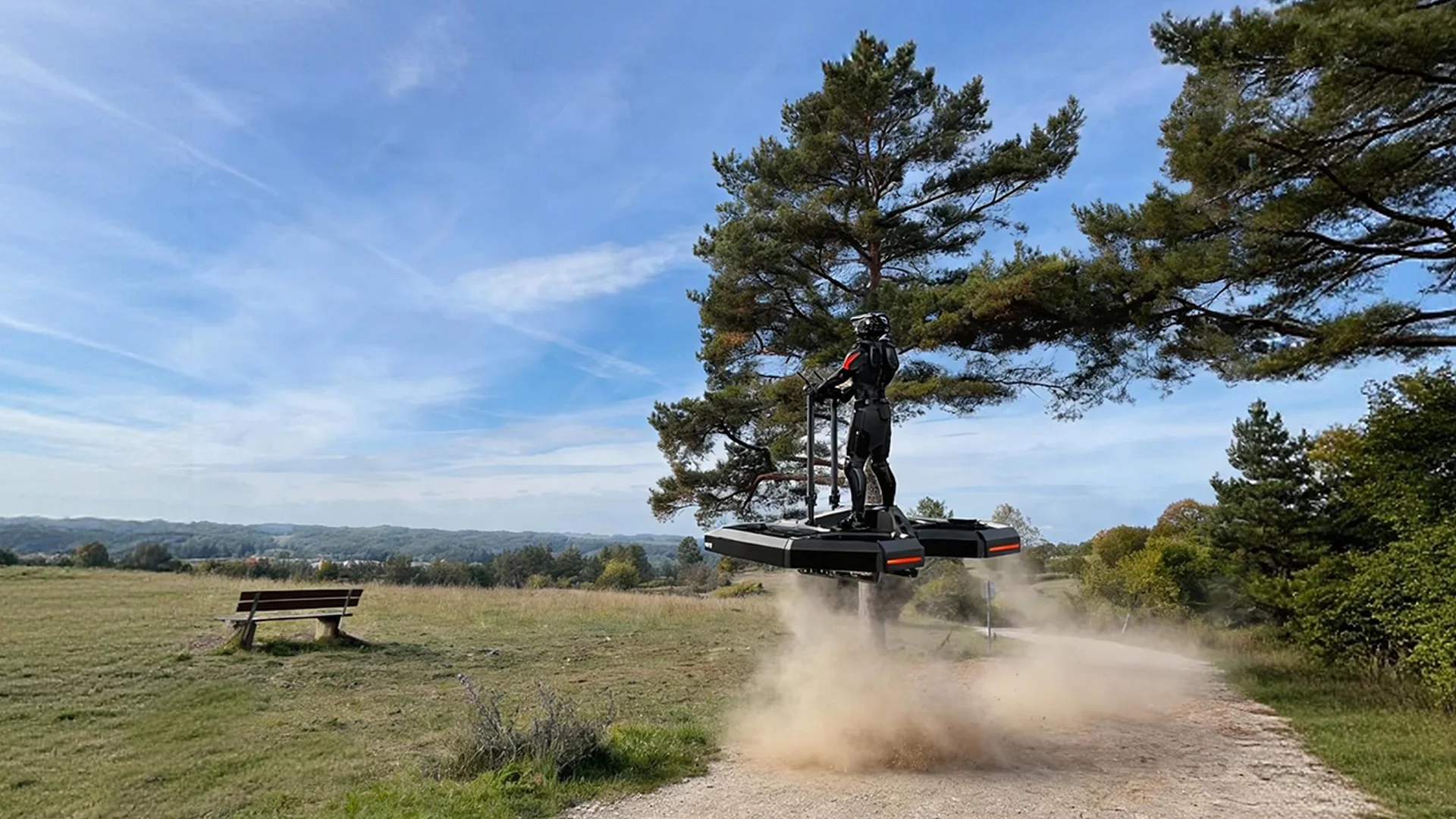
eVTOL (Electric Vertical Takeoff and Landing Aircraft): You can think of them as future “flying taxis,” designed for carrying passengers or heavy cargo. They combine the flexibility of a helicopter with the efficiency and environmental benefits of electric vehicles. They’re built to take you and your friends across the city. While drones focus on carrying "things," eVTOLs specialize in carrying "people."
Core Difference: Drones are for "observation," while eVTOLs are for "transport." However, both face a common challenge—the steep learning curve of traditional controllers.
2. Technological Differences: Muscle vs. Intelligence
These vehicles keep themselves in the air in fundamentally different ways:
Drone Power: Most standard drones use simple multi-rotor setups. They are excellent for hovering but typically have a single flight mode.
eVTOL Power: These aircraft use a technology called Distributed Electric Propulsion (DEP), meaning they have multiple small electric motors, providing redundancy. If one fails, the other motors can still ensure a safe landing. The body also uses vector thrust technology, allowing the engines to tilt, enabling high-speed flight like a regular airplane.
3. Size Difference: Toy vs. Vehicle
You can hold a drone in your hand, but you’ll need a yard to park an eVTOL.
Weight: Drones weigh from a few grams to several kilograms, while eVTOLs are relatively large, typically weighing between 100 and 300 kilograms.
Safety Standards: Because eVTOLs carry passengers, they must comply with "civil aviation" safety standards—just like Boeing or Airbus regulations.
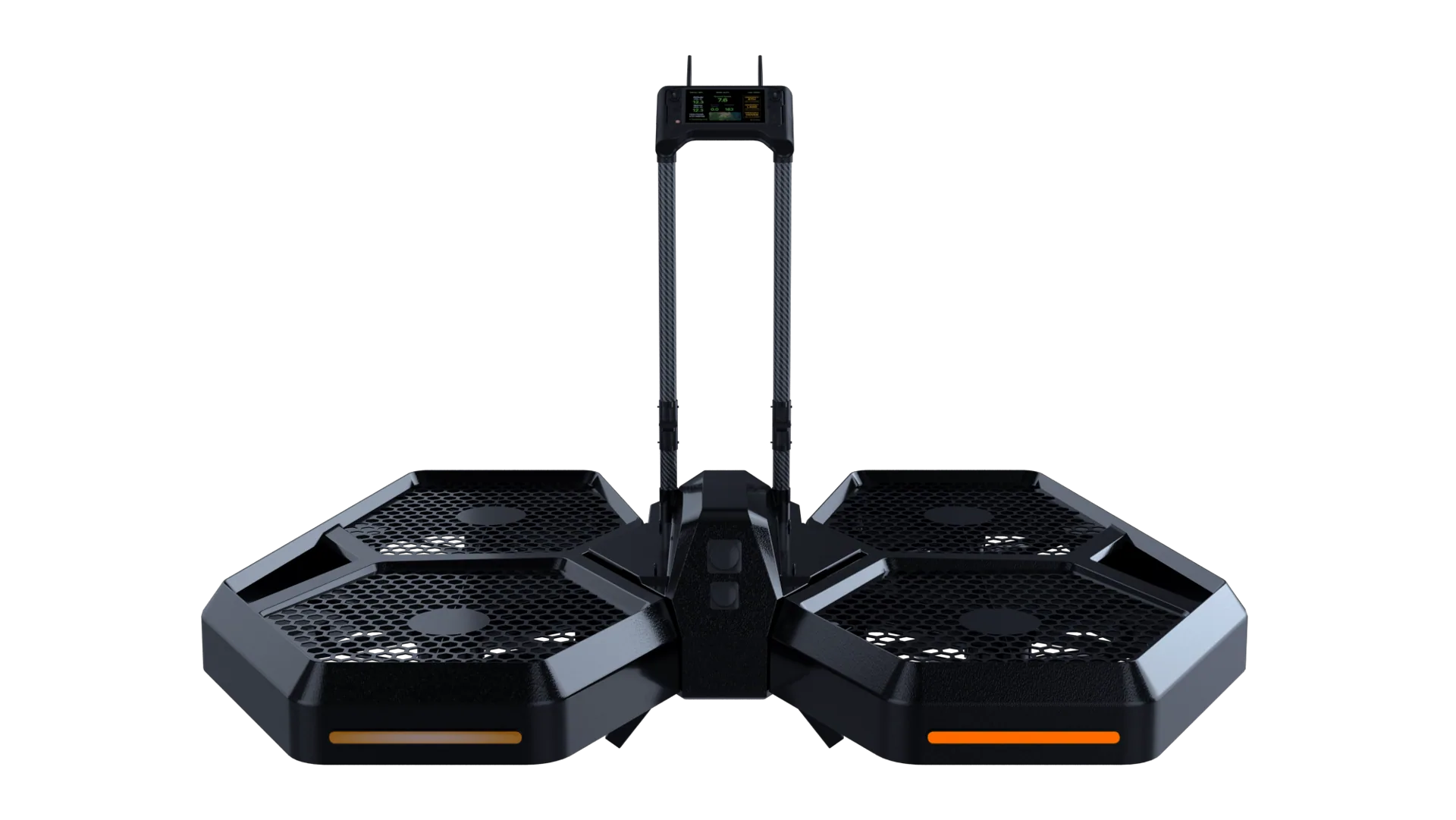
Coolfly has always aimed to create ultra-lightweight manned aircraft, which is why our aircraft weigh just 110kg, complying with the FAA Part 103 ultralight aircraft regulations, making the aircraft "lighter" and more accessible.
4. Duty Difference: Worker vs. Driver
Drone is a Worker: They perform jobs like aerial photography, inspecting power lines, or spraying pesticides.
eVTOL is Your Personal Driver and Commute Tool: They are designed for Urban Air Mobility (UAM). Imagine skipping the 90-minute traffic jam and flying for just 10 minutes to the airport.
5. Enter CoolFly: Bridging the Human-Machine Divide
This is where the lines start to blur, and operations begin to simplify. While the world debates battery life, Coolfly asks a better question: "Why does flying have to be so difficult?"
Most drones and early eVTOL concepts rely on complex controllers that feel like 90s gaming consoles. Coolfly revolutionizes this with our gravity-sensing flight control system.
6. Why Gravity Sensing is the "iPhone Moment" of Aviation
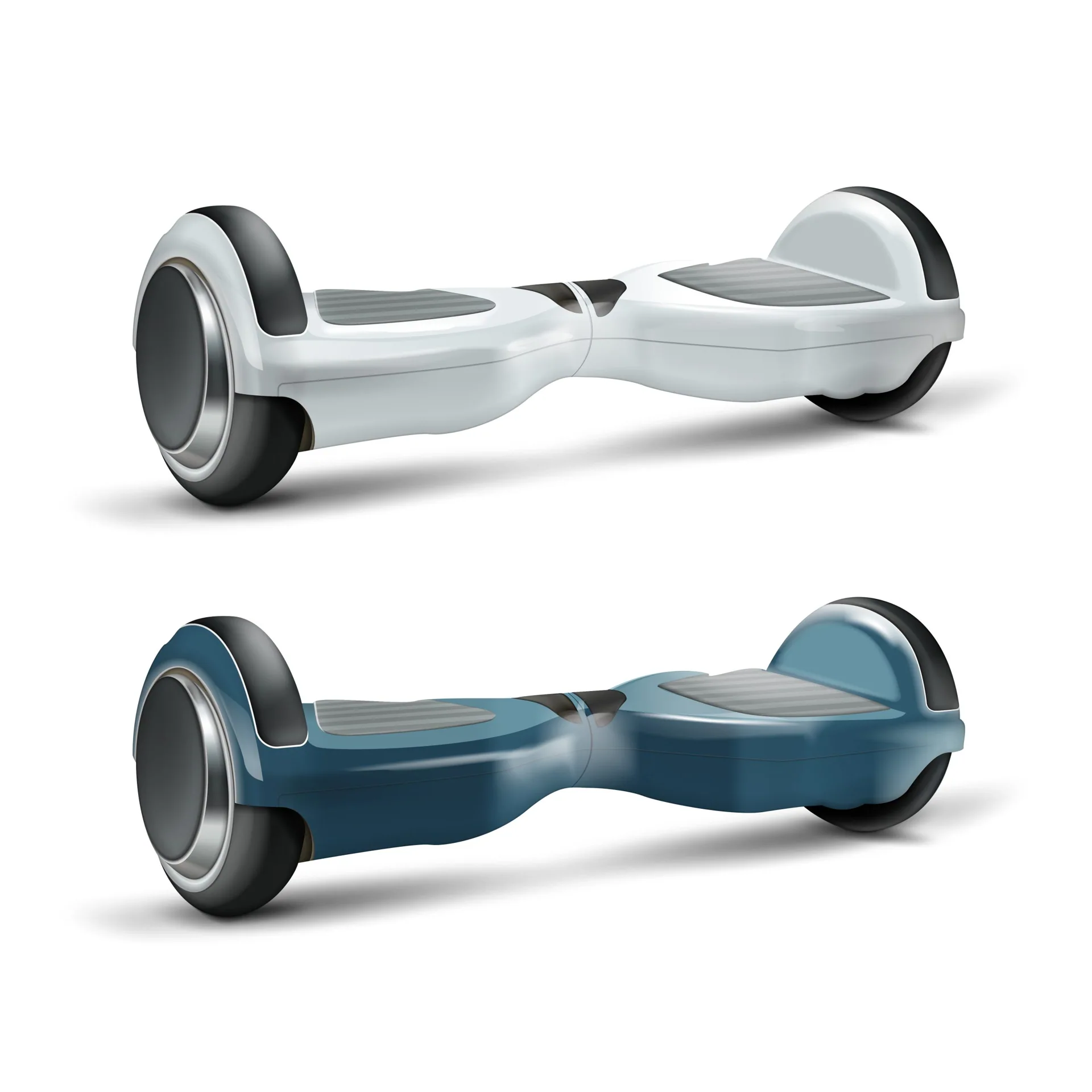
The application of gravity-sensing technology is the core difference between Coolfly and traditional eVTOLs. Coolfly’s next-generation gravity-sensing aircraft, equipped with AI + autonomous flight control, turns "automated flight" into true "self-guided flight." It’s an extension of your senses.
Safety-First Design: Redundant systems and powerful diagnostic capabilities mean you’ll know when to pay attention to potential issues before flight. The onboard processing makes adjustments in milliseconds, lowering the possibility of catastrophic failures that could lead to total aircraft damage. This ensures safety standards are met and maintained.
Intuitive Control: No need to memorize complex button combinations; simply lean your body, and the aircraft will mimic your shifts in center of gravity—where you lean, it goes. This is true "body language flying."
Lowered Barriers: It bridges the gap between professional pilots and regular enthusiasts. With gravity-sensing technology, transitioning from operating small drones to piloting a personal eVTOL becomes seamless.
Precision and Freedom: Traditional remote control joysticks often suffer from “dead zones,” but Coolfly’s gravity-sensing provides fluid, organic feedback. This makes the flying experience feel less like "operating a machine" and more like "growing wings."
You no longer need to struggle with joysticks but instead control the flight through natural body movements or intuitive tilts. This bridges the gap between "tools" and "your body's natural extension," making the world of vertical flight accessible even to beginners.
7. The Future: A Coolfly-Driven World
Whether it’s a portable drone capturing beautiful moments or an eVTOL zipping through cities, the interface is the key to unlocking the future. Coolfly’s vision is clear: The future of flight isn’t about more buttons; it’s about fewer barriers.

By refining gravity-sensing technology, Coolfly is ensuring that when the eVTOL era fully arrives, we won’t just be passengers; we’ll be true aviators—breathing in sync with the sky through the rhythm of our own bodies.
Can you tell the difference now? Stay tuned for Coolfly’s upcoming urban air travel experience. Feel free to leave your valuable feedback below!