
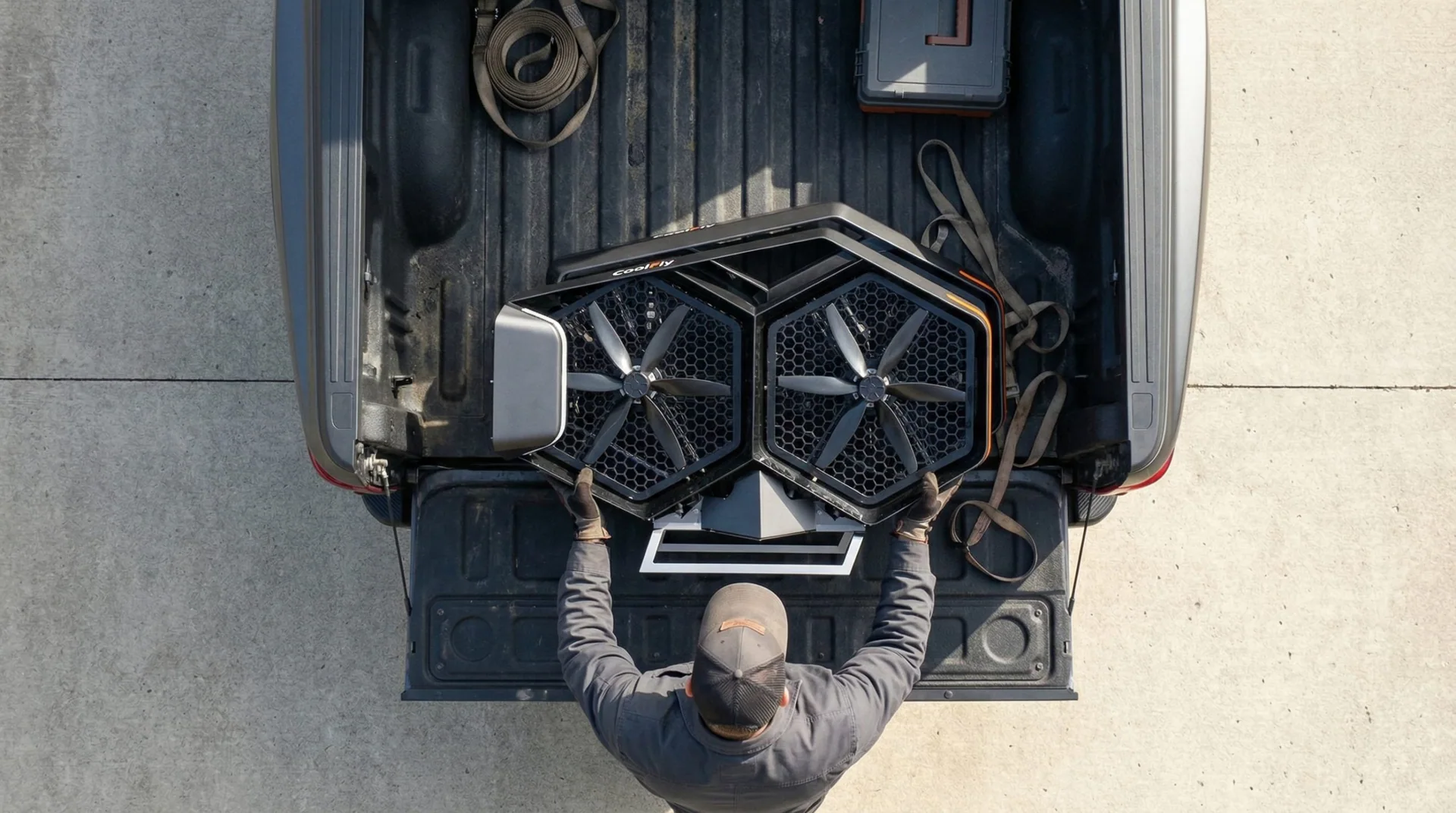
Newsroom
CoolFly: Discover the Best Way to Fly: Ultralight vs Light
CoolFly: Discover the Best Way to Fly: Ultralight vs Light
As a staff member of Coolfly,everyone has dreamed of flying. In the past, this dream was expensive and hard to reach. You needed a pilot license. You needed to spend years learning. Now, things are changing. New technology called eVTOL (electric Vertical Take-Off and Landing) is making flight easier for everyone. But when you look at these new flying machines, you will see two main names: ultralight aircraft and light aircraft.
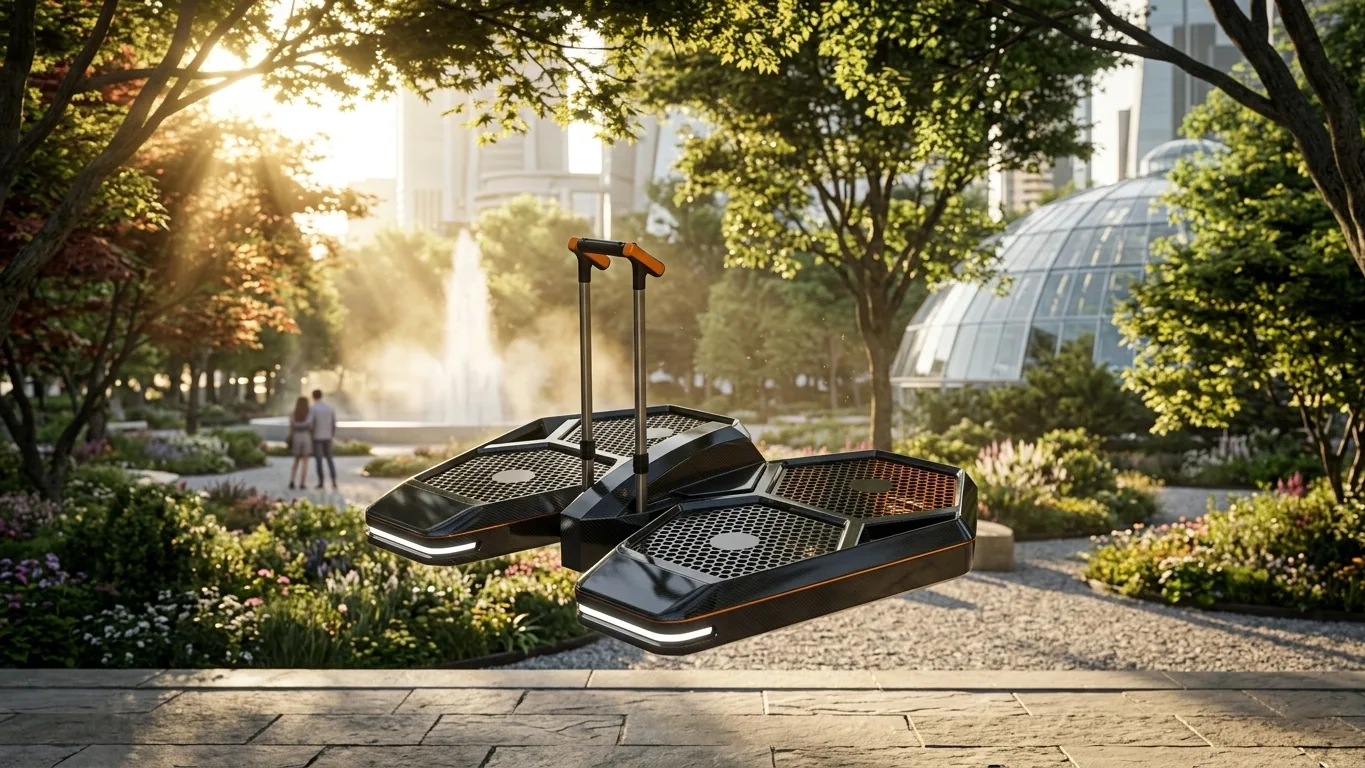
What is the real difference? Many people ask, "what is vtol aircraft?" and how do these rules apply to them? If you want to fly without a license, you must understand these categories. This is where CoolFly is leading the way. We focus on the "golden zone" of 0 to 30 meters. To do this, we use the rules for ultralight aircraft to give people freedom.
The Basic Rules: Understanding the Coolfly Divide
The biggest difference between these two types of aircraft is not how they look. It is about the law. Most countries follow rules made by the Federal Aviation Administration (FAA). In the United States, the rule is called Part 103. This rule defines what an ultralight vehicle is.
An ultralight aircraft is built for one person. It is used only for fun or sport. The most important part is the weight. If it has a motor, it must weigh less than 254 pounds. This is about 115 kilograms. It also has a speed limit. It cannot go faster than 55 knots, which is 102 kilometers per hour.
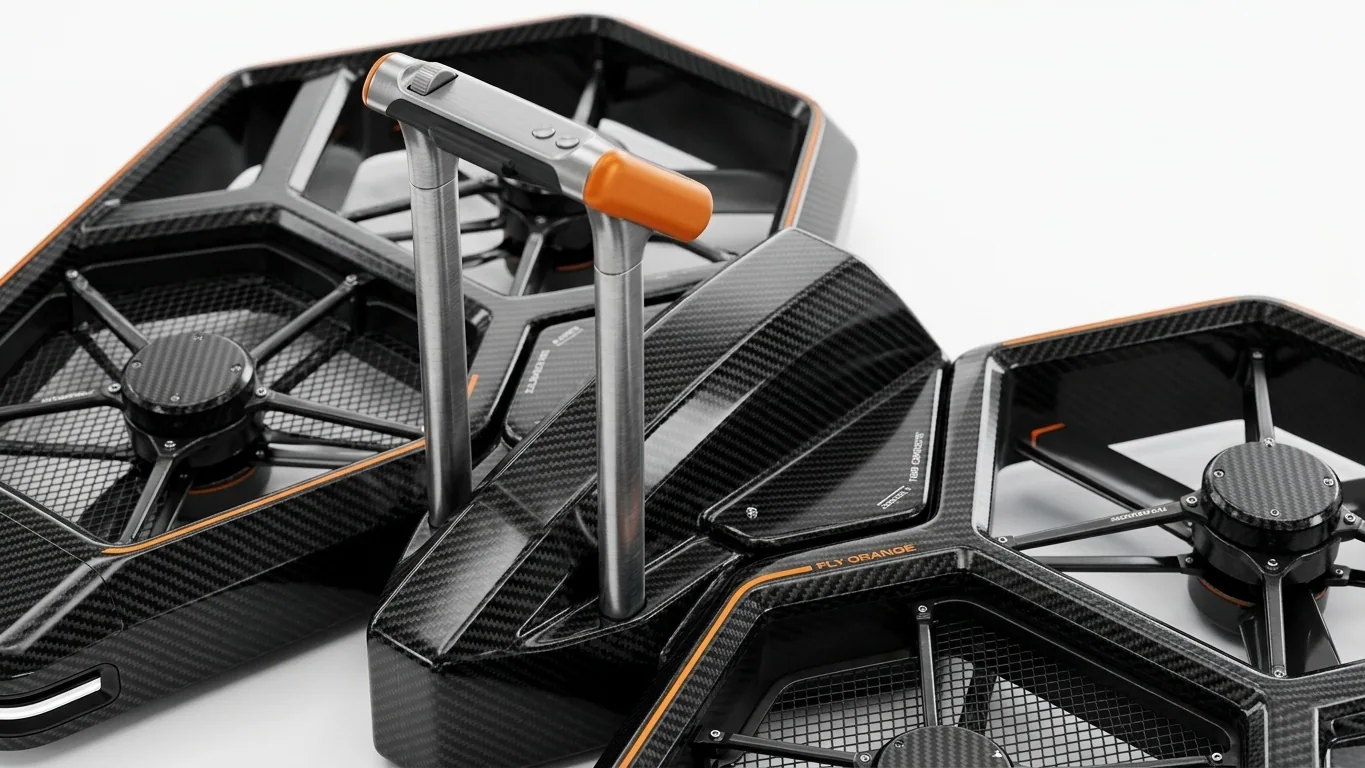
A light aircraft, such as a Light Sport Aircraft (LSA), is different. These planes can carry more people. They are much heavier. Because they are bigger and faster, the government requires more from the owner. You must have a pilot license to fly one. The aircraft must also have a special safety paper called an airworthiness certificate.
Why Weight and Speed Matter
You might wonder why the weight limit is so low for ultralights. It is about physics and safety. The government uses a logic called "trading physics for freedom." If a flying machine is very light and slow, it carries very little energy. If something goes wrong, it cannot cause a lot of damage to people on the ground.
As the FAA states in the Part 103 rules, these vehicles are "limited to a single occupant" and are intended for "recreational or aeronautical sport purposes only" (FAA Part 103.1). By following these tight limits, owners do not need to register the plane. They do not need a medical exam. Most importantly, they do not need to take a flying test.
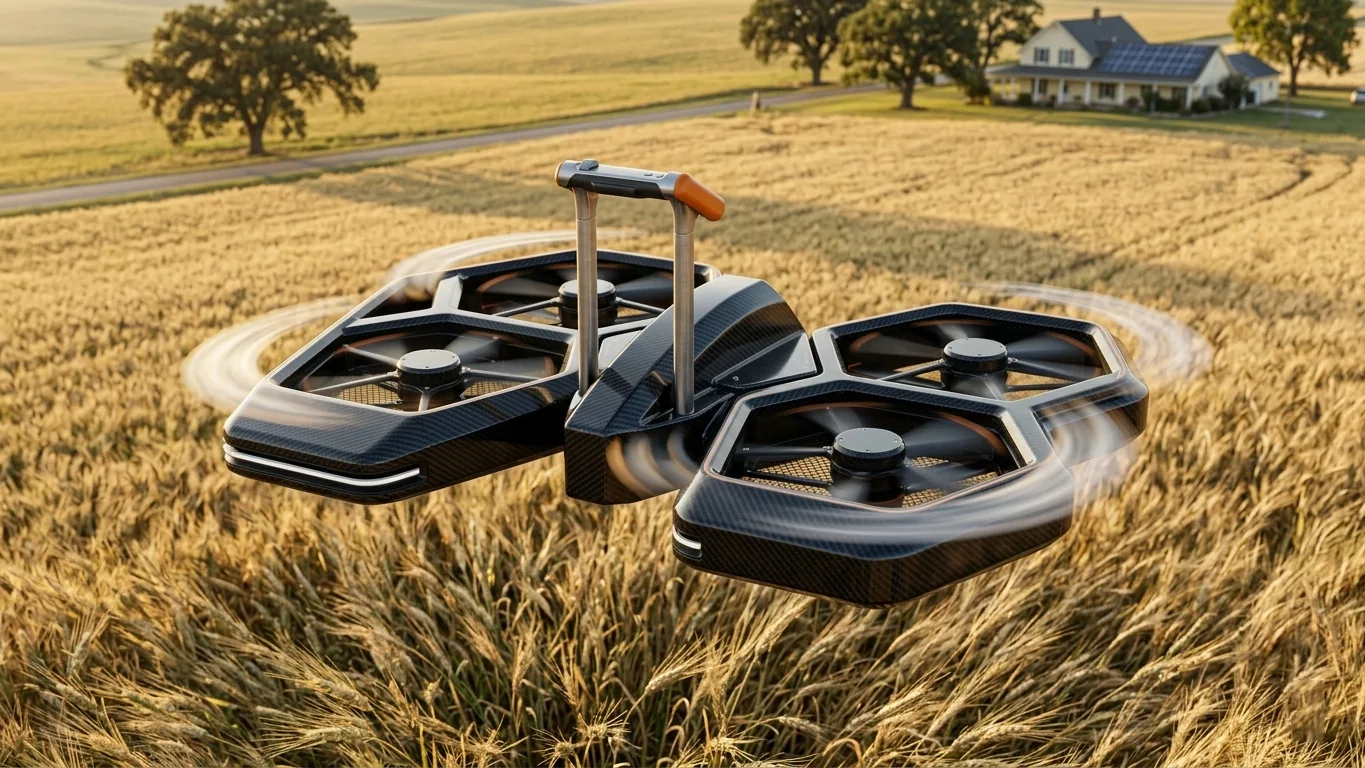
CoolFly uses this freedom to create products like the Urban-2. Our standing aircraft is designed to be a "segment-zero" tool. It stays low and moves safely. By keeping the weight low and the software height limited to 10 meters, we ensure that anyone can learn to fly it in minutes. It works like a flying balance scooter.
How Do Coolfly Electric VTOL Aircraft Work?
To understand why these machines are better than old planes, we must ask: how do electric VTOL aircraft work?
Old planes need a long runway to catch the wind and lift off. VTOL aircraft do not need runways. They use multiple small rotors to push air straight down. This allows them to lift off from a backyard or a parking space. CoolFly uses a "four-axis, eight-propeller" design. This means if one motor stops, the others keep you safe.
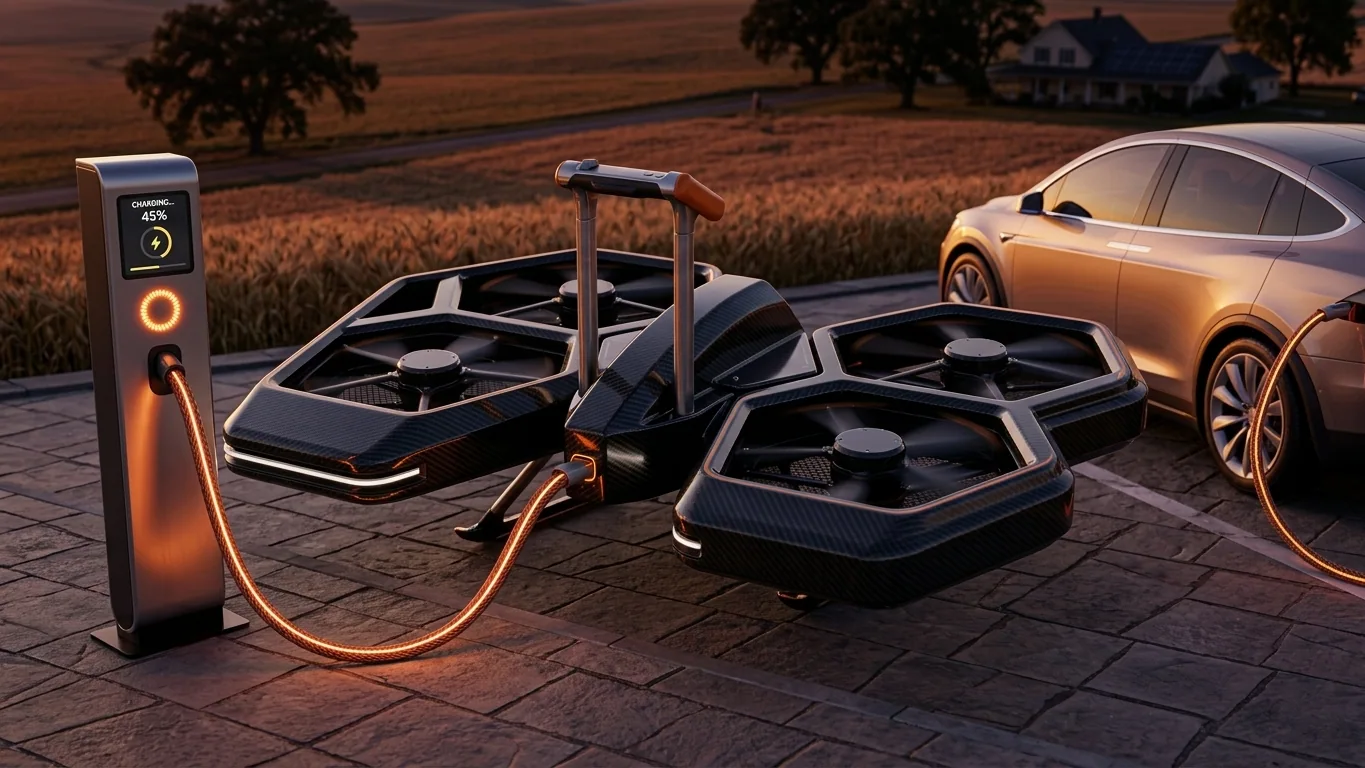
The "electric" part is also key. Electric VTOL aircraft use batteries instead of gas. This makes them quiet. It also makes them much easier to build. You do not need a complex engine with hundreds of moving parts. You only need a battery, a controller, and motors. Our CoolFly products even use the same charging plugs as electric cars. You can charge your flying machine at the same station where you charge your Tesla.
Comparing Coolfly Ultralight and Light VTOLs
When we look at the future of city travel, we see both types of vtol aircraft working together. However, they solve different problems.
Safety Requirements: Light aircraft need "Type Certification." This takes 2 to 5 years and costs millions of dollars. Ultralight aircraft like the CoolFly Dream-2 are "exempt." This means they can reach customers much faster.
Training: To fly a light aircraft, you need at least 20 to 40 hours of training with a teacher. For a CoolFly Urban-2, you use our "Gravity-Sensing" tech. You just lean your body to move. It is as simple as walking.
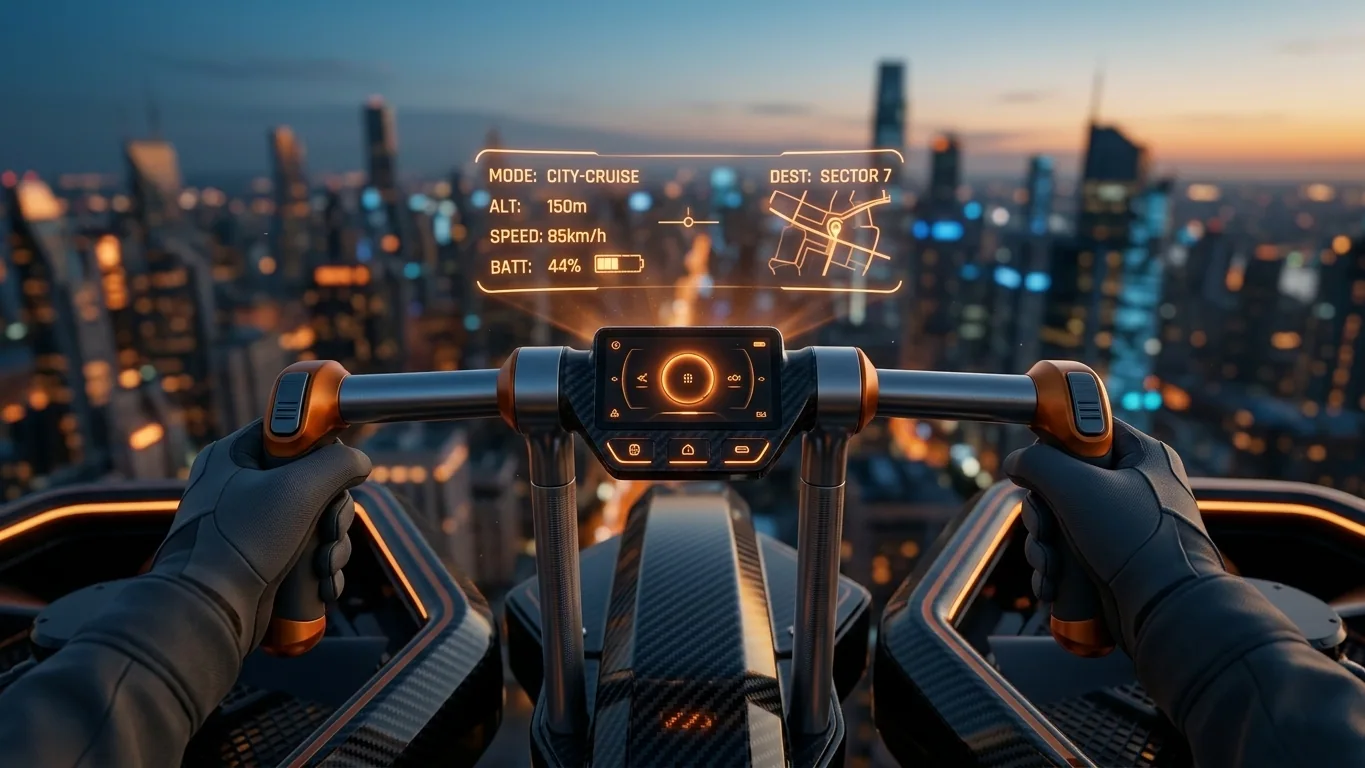
Cost: Because light aircraft need so many permits and more power, they are very expensive. Ultralight eVTOLs are designed to be "consumer products." They are meant to be affordable for personal fun.
I have observed that the industry is moving toward "Software Defined Flight." In my research, I see that the hardware is becoming simpler, but the "brains" are getting smarter. For example, CoolFly uses a 6-redundancy IMU system. This is a fancy way of saying the flight computer checks itself six times every second to keep you level. Even if the pilot makes a mistake, the computer prevents the machine from flipping over.
The 0-30 Meter Strategy
Why does CoolFly stay so low? Most people think the future of flight is high in the clouds. We disagree. The space between 0 and 30 meters is a "Golden Vacuum."
At 120 meters, you have helicopters and big planes. The rules are very strict. Between 30 and 120 meters, there are thousands of delivery drones and camera drones. It is a crowded space. But under 30 meters, the air is empty. This is where personal travel can happen safely. It avoids the complex traffic of the higher sky. It stays close to the user's needs.
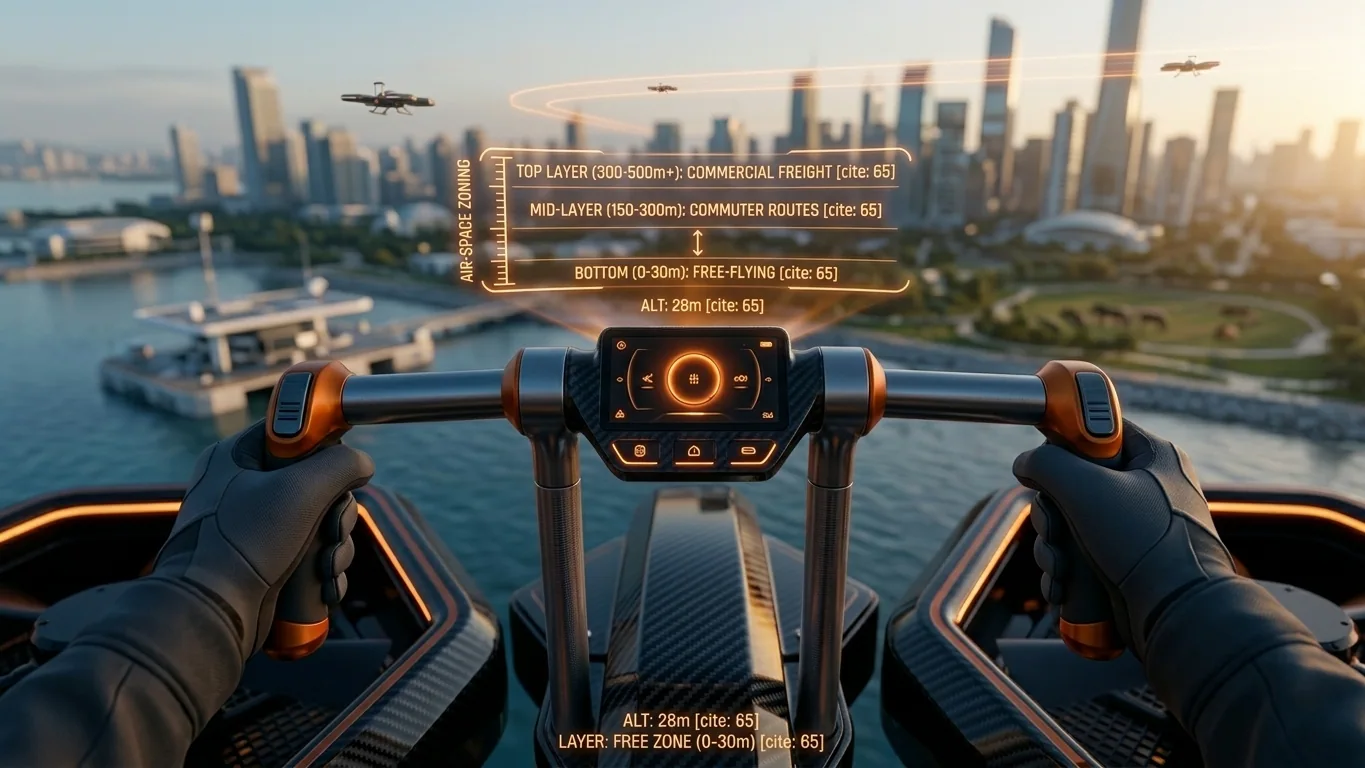
Whether you are using it for a "Flying First Lesson" at a school or for high-rise fire rescue, this low altitude is the most useful. It is the bridge between the ground and the sky.
Which One Is for You?
If you want to start a business carrying passengers across a city, you will eventually need a light aircraft with a commercial license. But if you want to experience the joy of flight today, ultralight is the answer.
The electric vtol aircraft revolution is not just for experts. It is for the person who wants to explore the city skyline or the mountain view. By choosing an ultralight path, CoolFly removes the walls that kept people on the ground. You do not need to be a pilot. You only need the will to fly.
As we look at the vtol aircraft world, remember the main point: ultralights give you immediate freedom. Light aircraft give you more capacity but with more rules. At CoolFly, we choose freedom. Your will is your altitude. Are you ready to define yours?