
Newsroom
CoolFly: Elite Professional Steps to Best Protect Human Lives
CoolFly: Elite Professional Steps to Best Protect Human Lives
CoolFly is changing how we save people during emergencies. In the past, rescue teams had to use heavy helicopters or long ladders to reach victims. These tools are slow and very expensive. Now, new technology is making this work much easier and faster. We are talking about the vtol aircraft. You might ask, "what is vtol aircraft technology?" It stands for Vertical Take-Off and Landing. These machines do not need a long runway. They lift straight up like a bird. Because they are electric, we call them an evtol. This new tool is perfect for the future of search and rescue (SAR).
How CoolFly Handles High-Rise Emergencies
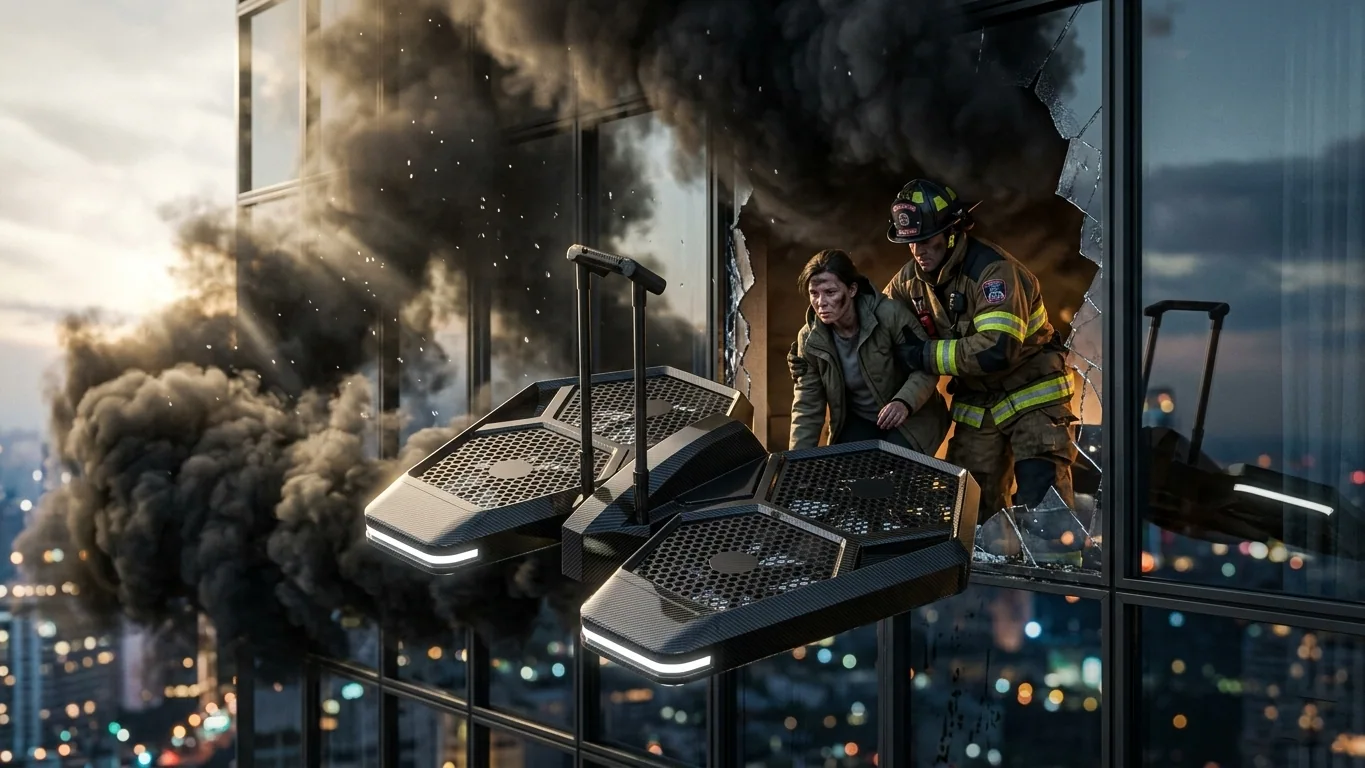
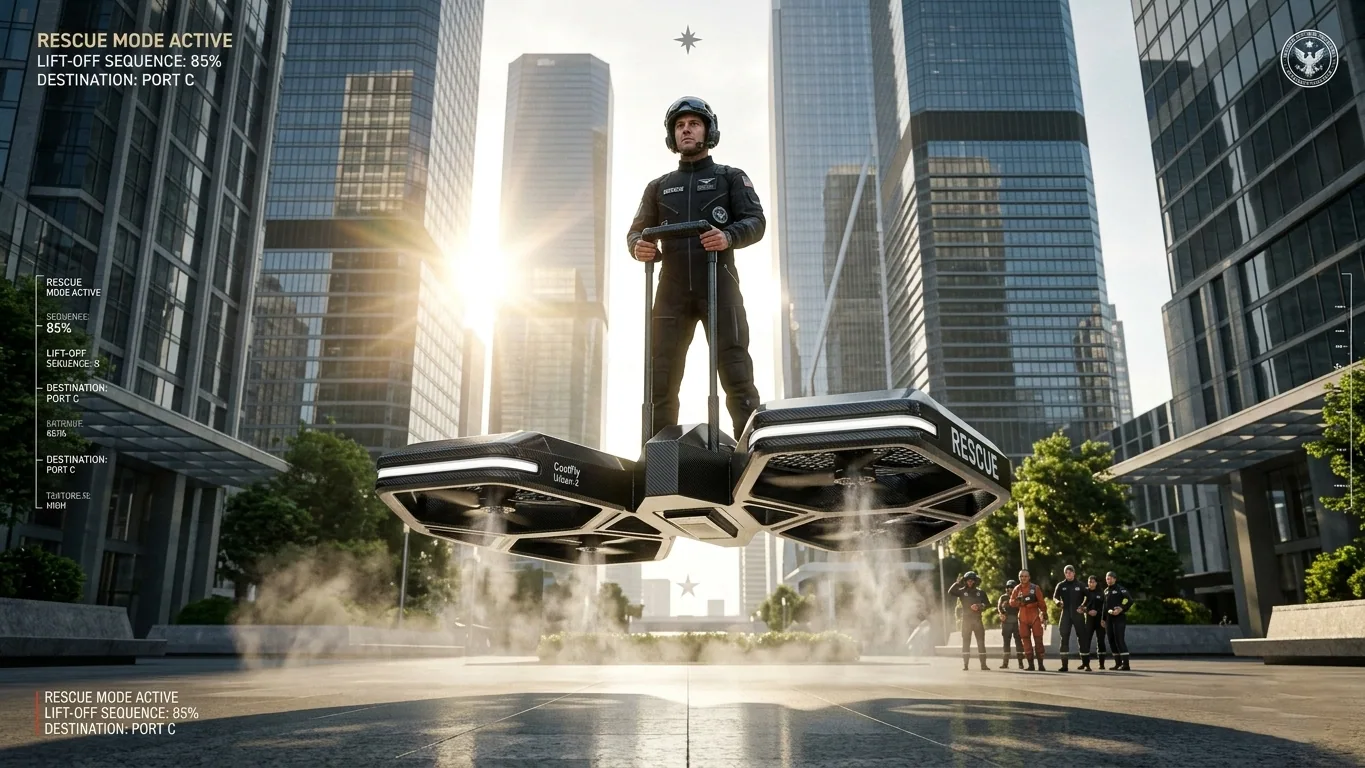
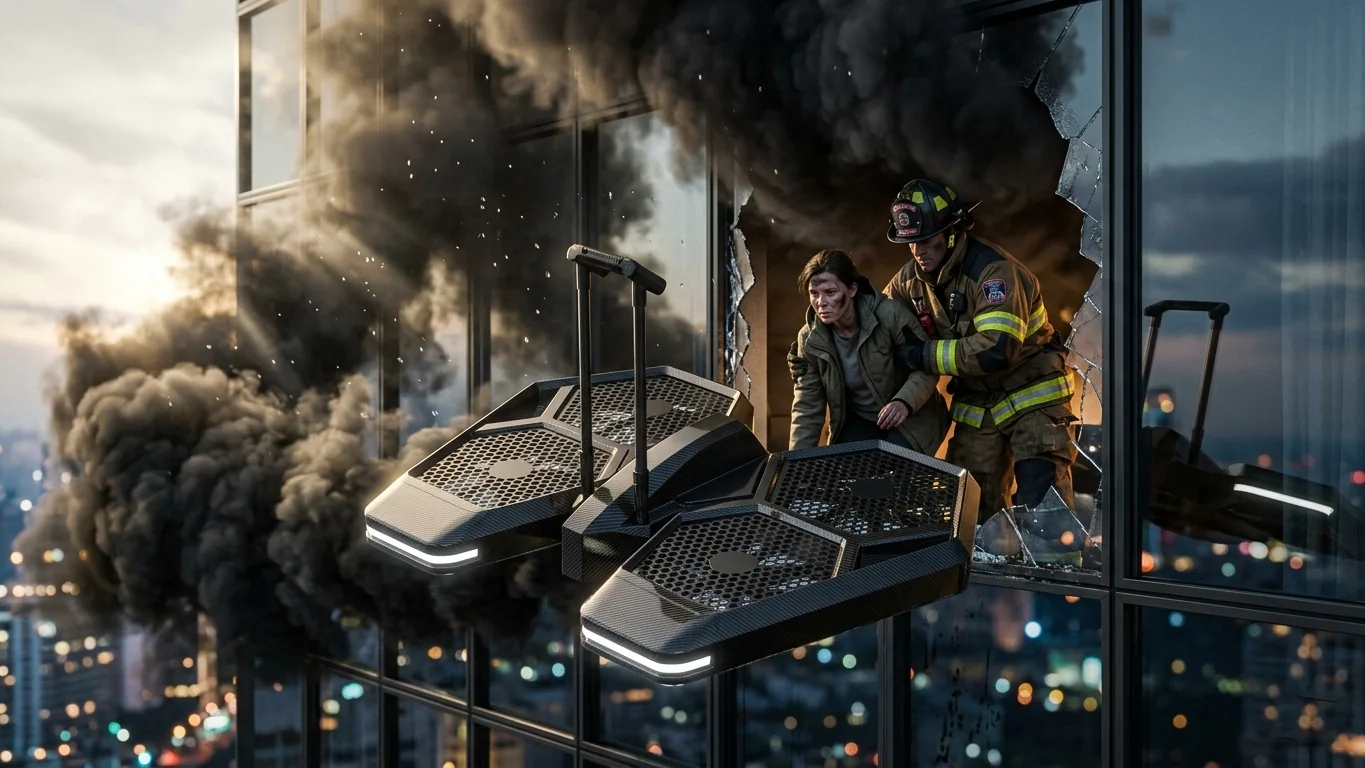
CoolFly created the Urban model to help in big cities. Imagine a fire in a tall building. Sometimes the smoke is too thick for a ladder to reach the top floors. A vtol aircraft can solve this. The Urban can fly empty to the fire scene using remote control. It can hover exactly in front of a window. This allows a trapped person to step onto the craft. Then, it carries them safely down to the ground.
Actually, the Urban has a maximum load of 110kg. This is enough to carry one person and some rescue gear. It stays below 10 meters for most fun flights, but for rescue, its precision is what matters. It uses a special flight controller called the NA80. This "brain" keeps the craft stable even when the wind is blowing around big buildings. This stability is very important because a rescue pilot must be able to focus on the victim, not just the controls.
Searching in the Mountains with Coolfly
What happens if someone gets lost in the wild? This is where the electric vtol aircraft shows its true power. The Dream model is a better fit for mountain searches. It can fly up to 450 meters high. It also has Level 7 wind resistance. This means it can stay steady in strong winds.
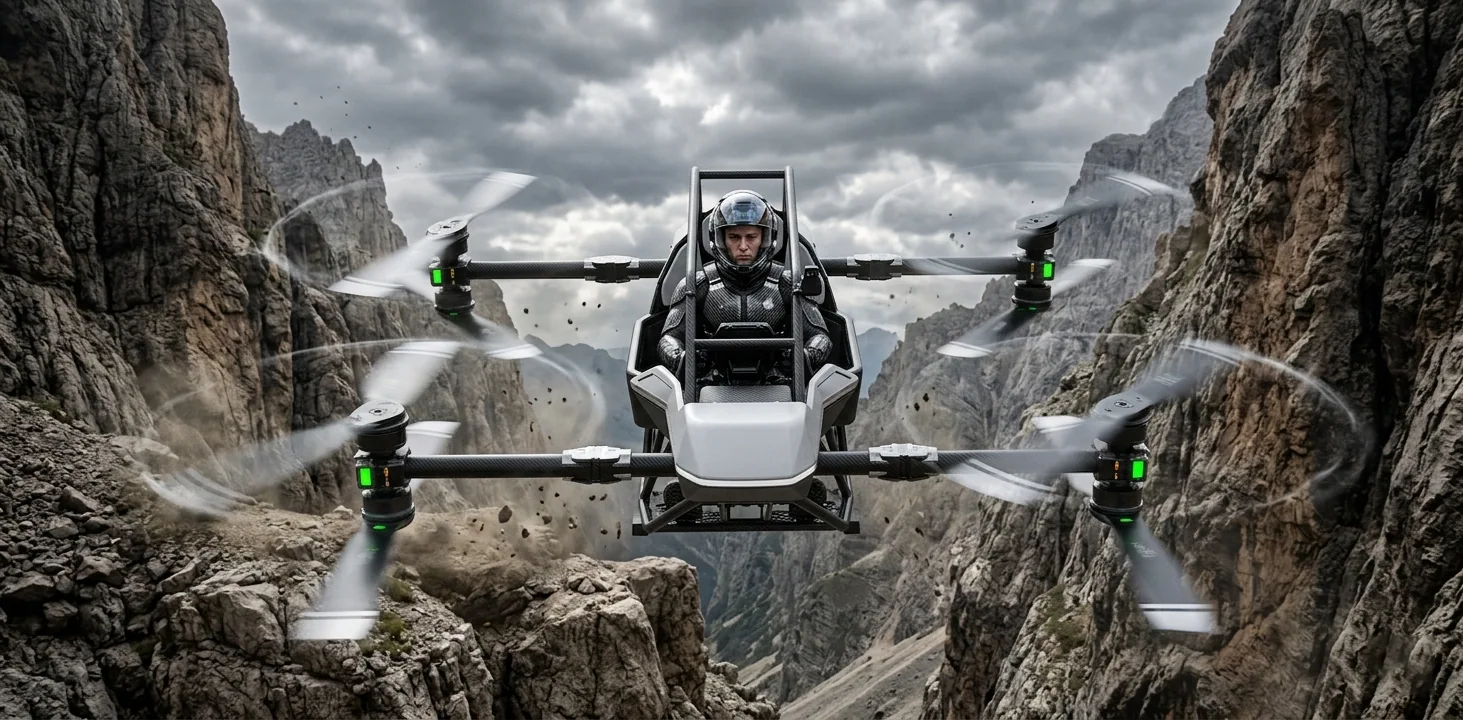
The Dream can fly for 15 to 30 minutes. This gives the rescue team enough time to scan a large area. It uses six-redundancy IMU sensors to stay safe. If one sensor fails, five others are still working. This makes the craft very reliable. Most traditional drones are too small to carry a person. But the Dream can carry a rescue worker directly to a lost hiker. It can hover in places where a big helicopter cannot fit. Have you ever seen how narrow some mountain paths are? The small size of these machines is a huge advantage.
How do Coolfly electric vtol aircraft work for rescue?
You might wonder, "how do electric vtol aircraft work when the situation is dangerous?" They use many small rotors instead of one big one. The Dream uses eight propellers in a "four-axis, eight-propeller" design. This means the craft can still fly even if one motor stops working. This "redundancy" is the secret to staying safe in the sky.
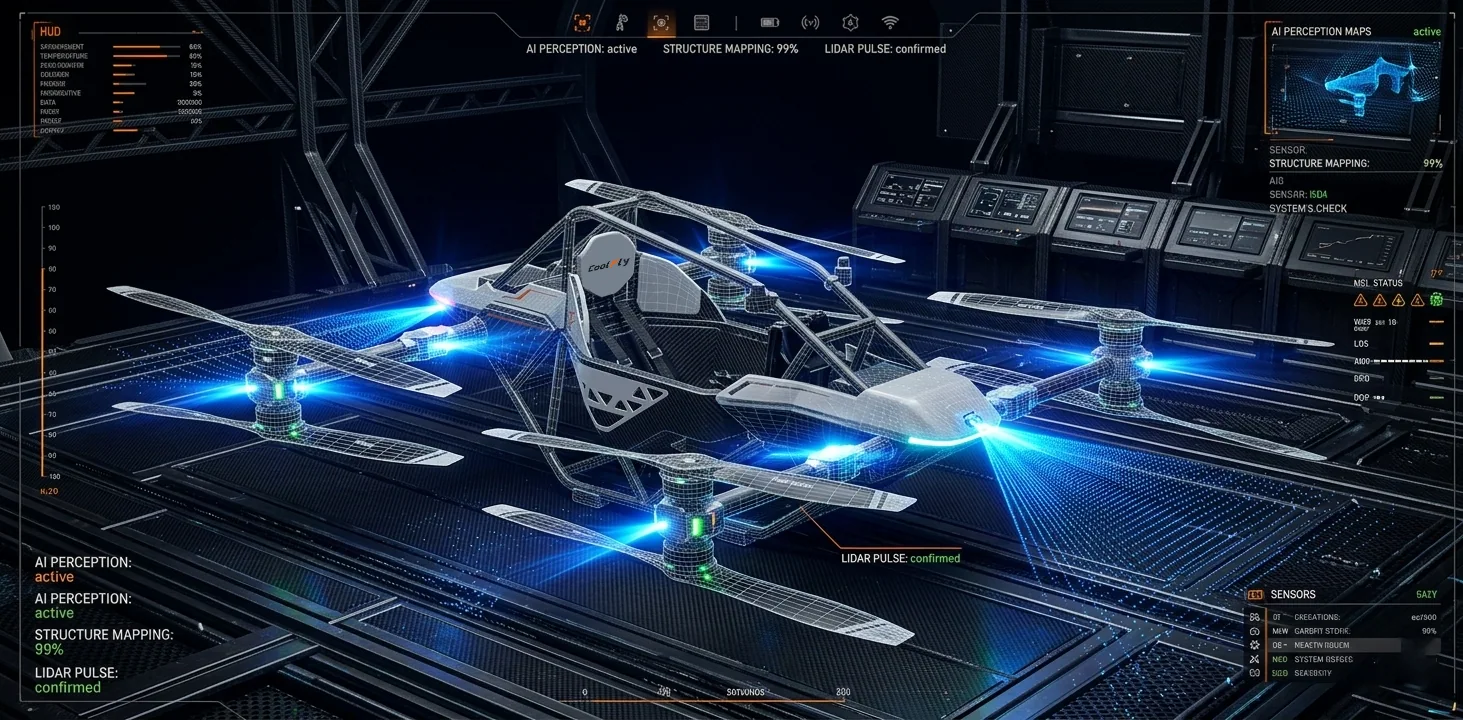
The craft also uses a lot of sensors. It has 360-degree AI perception. It uses laser radar and cameras to see obstacles in the dark or through smoke. This helps the pilot avoid power lines or trees during a night search. The flight brain, the NA80, processes all this data in milliseconds. It makes the machine feel like a natural part of the pilot's body.
Best Practices for Site Selection
Running a rescue mission requires a good plan for the ground. You cannot just land anywhere. A good rescue site needs a clear space with a radius of at least 20 meters. This is about 1,256 square meters. This space allows the craft to land without hitting people or equipment.
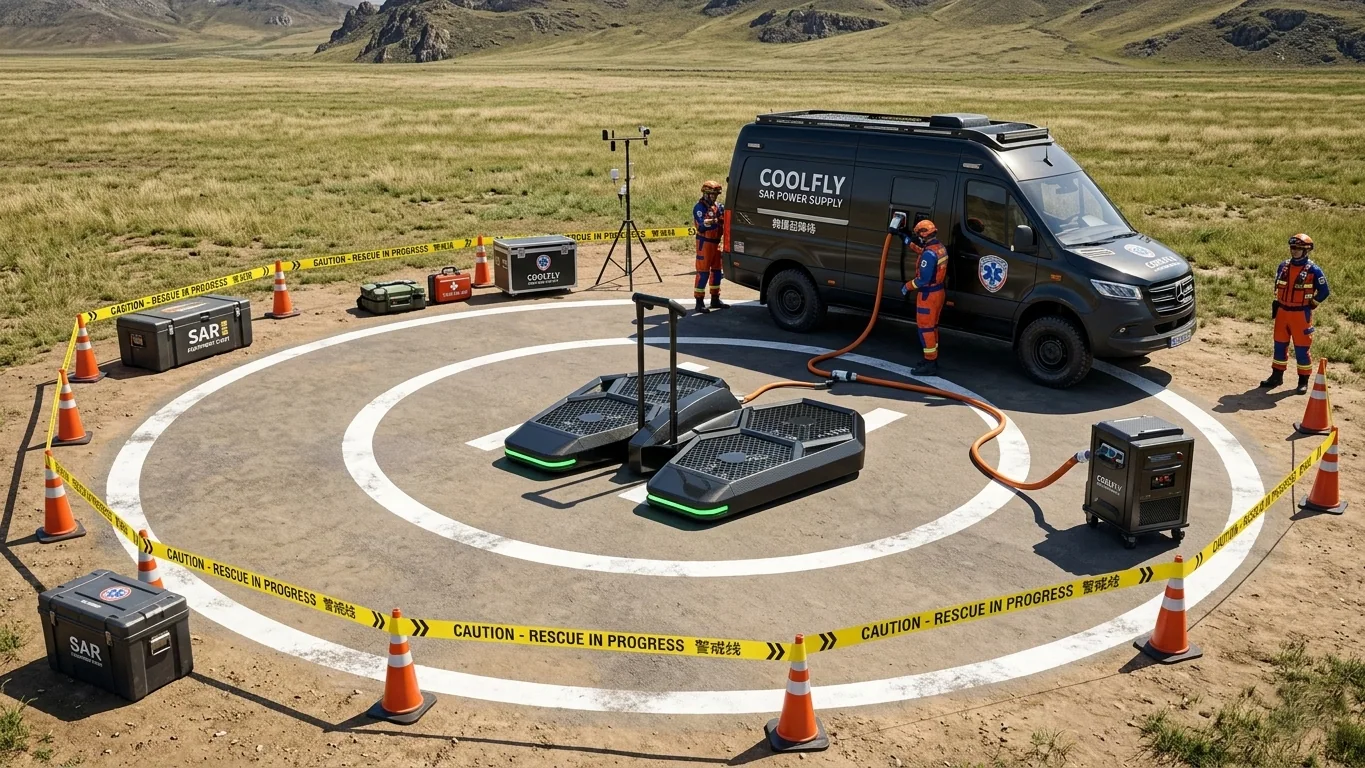
Also, you must think about power. Rescue missions can last a long time. You need a charging station nearby. A 40kWh power supply is the minimum needed to support multiple flights. It is a good idea to have a mobile power van on the scene. This ensures the evtol is always ready to take off again. We also suggest setting up a clear safety line around the landing area. This keeps the public away from the spinning rotors.
Legal Rules and Reporting
Even in an emergency, you should follow the rules. In China, you must report your flight plan 3 to 5 days early for normal training. But for a sudden rescue, you might only have 24 hours. You must talk to the local police and air traffic control.
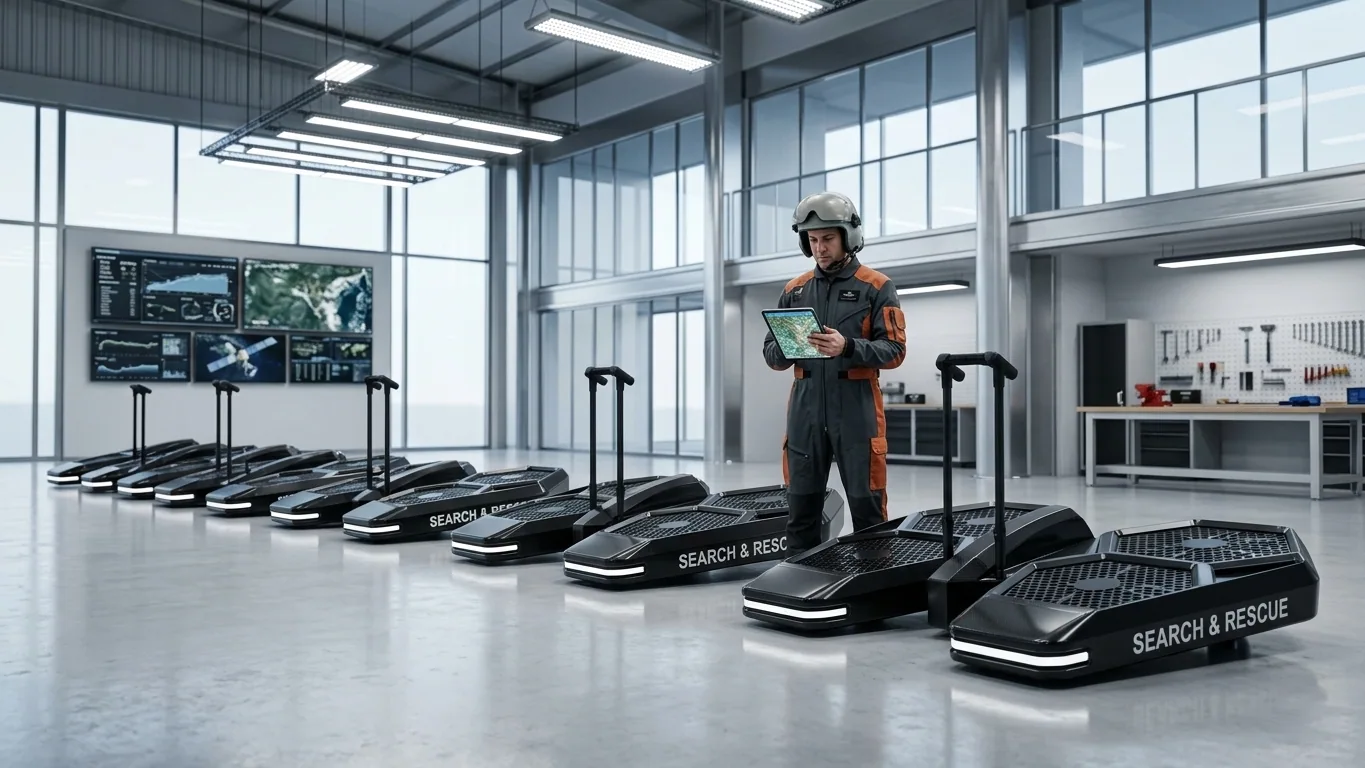
One great thing about CoolFly machines is their legal status. Most of them are "ultralight" aircraft. This means they often do not need a complex airworthiness certificate or a professional pilot's license. This allows more rescue workers to learn how to fly them. The government is supporting this too. In fact, 31 provinces in China have put the low-altitude economy into their plans. This will make it easier to get permission for SAR missions in the coming years.
The Role of Coolfly Passive Safety
Safety is not just about the flight brain. It is also about what happens if something goes wrong. CoolFly uses a "Triple Protection" system. This includes a parachute and airbags.
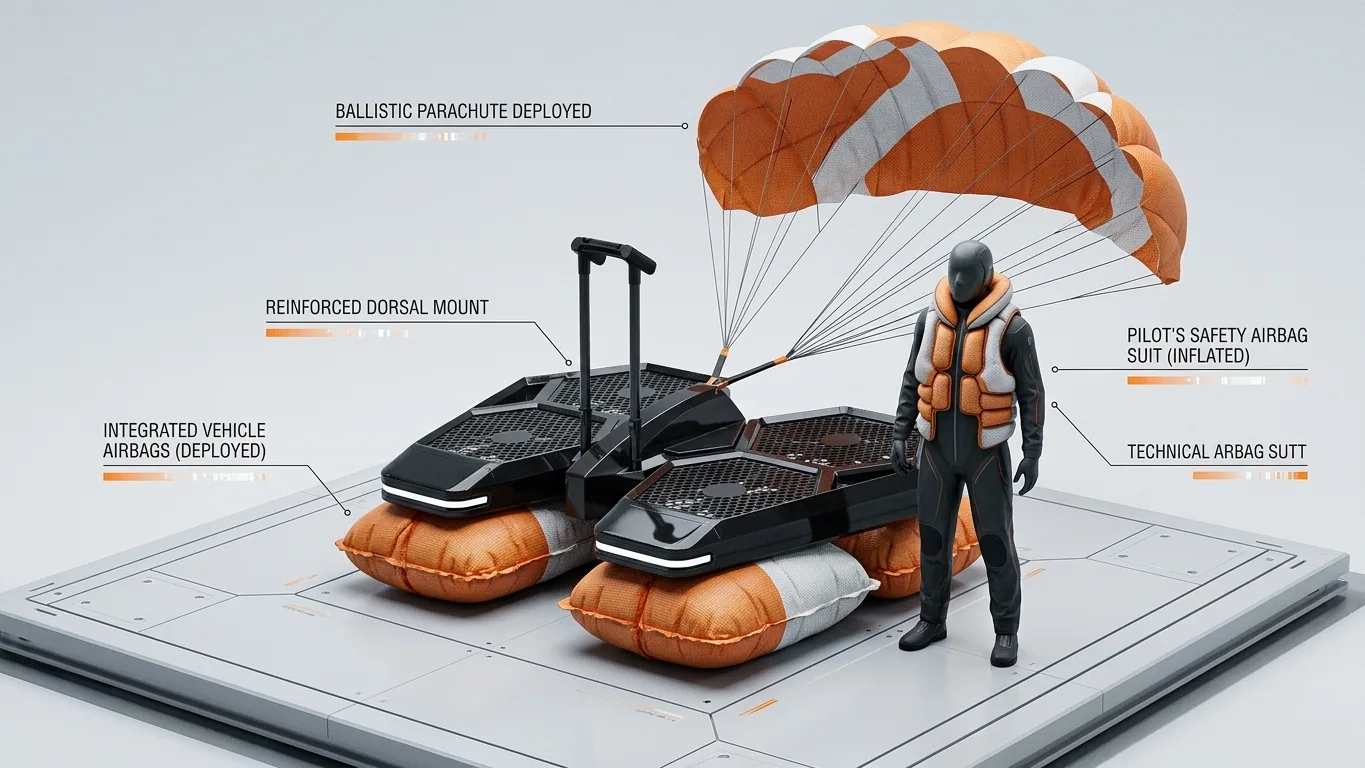
If the craft loses all power, a parachute will open automatically. Also, the pilot wears a safety suit with built-in airbags. There are even airbags on the bottom of the craft. These layers of protection ensure that even a hard landing is not deadly. In rescue work, you are already in a high-risk world. You do not need the machine to add more risk. These safety features give rescue teams the confidence to go into dangerous places.
Future
CoolFly is making the future of search and rescue much brighter. The Urban and Dream models offer tools that we never had before. They can reach high windows and narrow mountain paths with ease. By using smart sensors and redundant motors, they keep both the pilot and the victim safe.
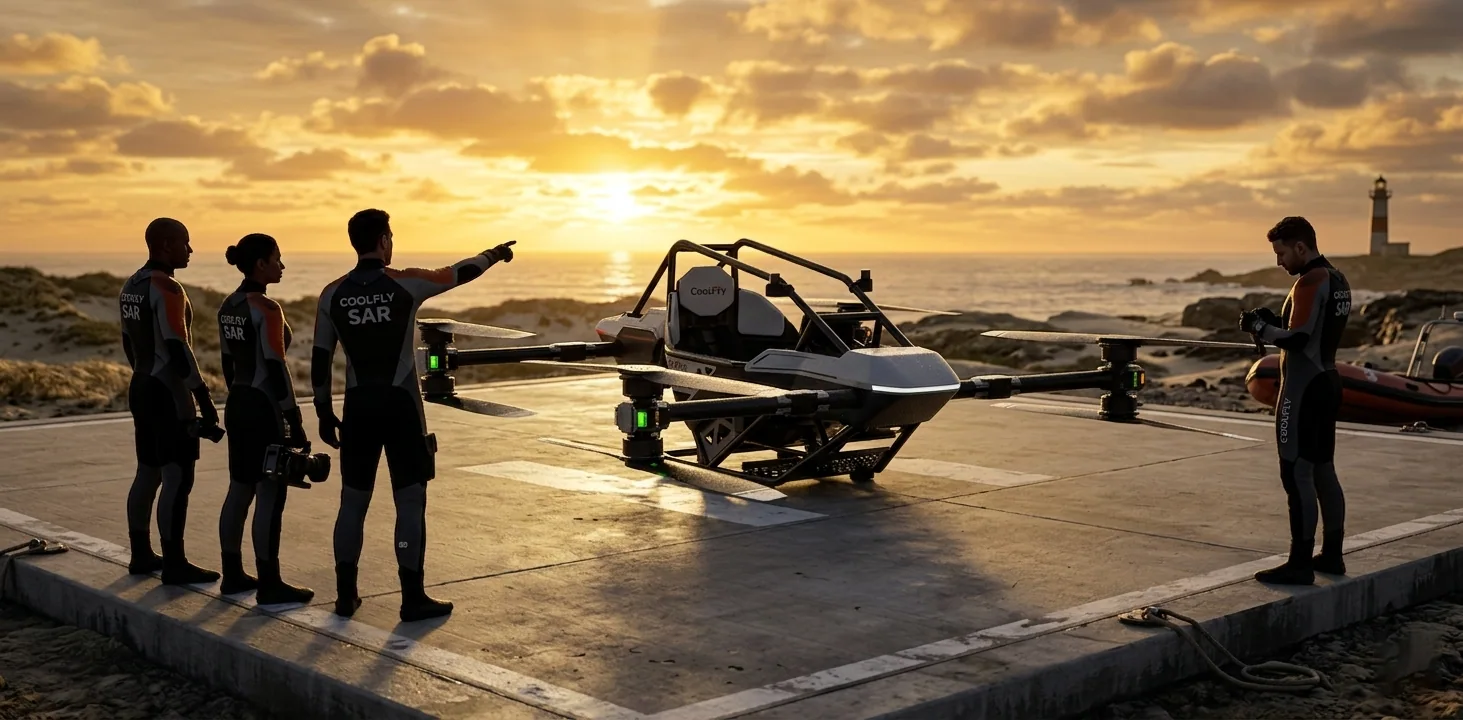
To get the best results, teams must follow best practices. This means choosing a 1,256 square meter landing site and having enough power to recharge. It also means staying within the legal rules of the low-altitude economy. As electric vtol aircraft tech gets better, we will save more lives every year. The sky is no longer a limit; it is now a fast highway for help.