Newsroom
How high can an evtol fly?
People talk a lot about flying cars these days. We officially call these machines eVTOLs. This stands for electric Vertical Take-off and Landing. They are like a mix between a big drone and a small airplane. I often get asked a very specific question. How high can these electric planes actually go? This is a great question because the answer tells us a lot about the future of travel.
Most people think of planes at 30,000 feet. But eVTOLs are very different from big jets. Most of these aircraft fly between 1,000 and 3,000 feet. This is quite low. For example, some big buildings in cities are almost that tall. They fly at this height because they are made for short trips. They are meant to fly you over city traffic, not across the ocean. If you fly too high, you are just wasting time and energy for a short trip.
Batteries are the biggest reason for this height limit. Batteries are very heavy. They do not hold as much energy as liquid fuel. Taking off is the hardest part for any aircraft. It uses the most power. If an eVTOL tries to climb to 10,000 feet, it will use most of its battery just to get there. Our research shows that "the energy needed for a high climb can reduce the total flight range by 40 percent". So, pilots stay low to make sure they have enough power to reach their destination.
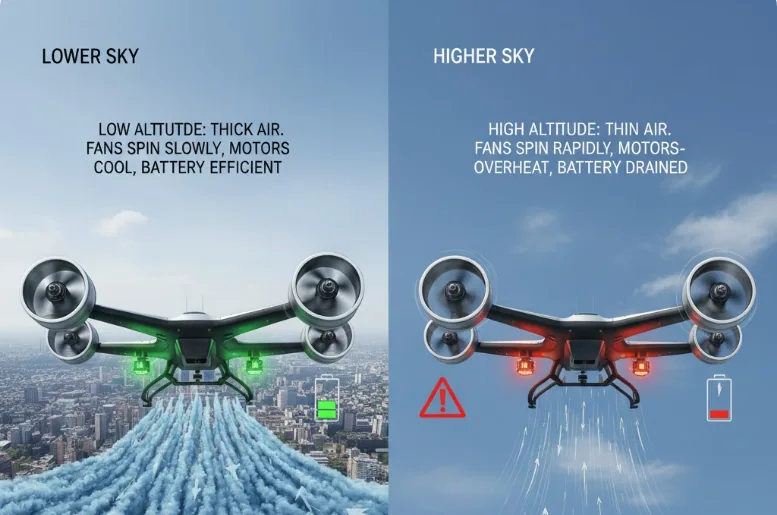
There is also the problem of the air itself. Near the ground, the air is thick. Thick air is good for the small fans on an eVTOL. These fans push against the air to keep the plane up. If the plane goes too high, the air gets thin. The fans must spin much faster to do the same work. This makes the motors get very hot. It also drains the battery even faster. Because of this, staying in the lower part of the sky is much safer for the hardware.
The government also has very strict rules about the sky. They want to keep small electric planes away from big passenger jets. This is why experts talk about the "low-altitude economy." This is a special layer of the sky just for eVTOLs and drones. By staying below 5,000 feet, these planes do not get in the way of commercial flights. It makes the whole system much more organized.
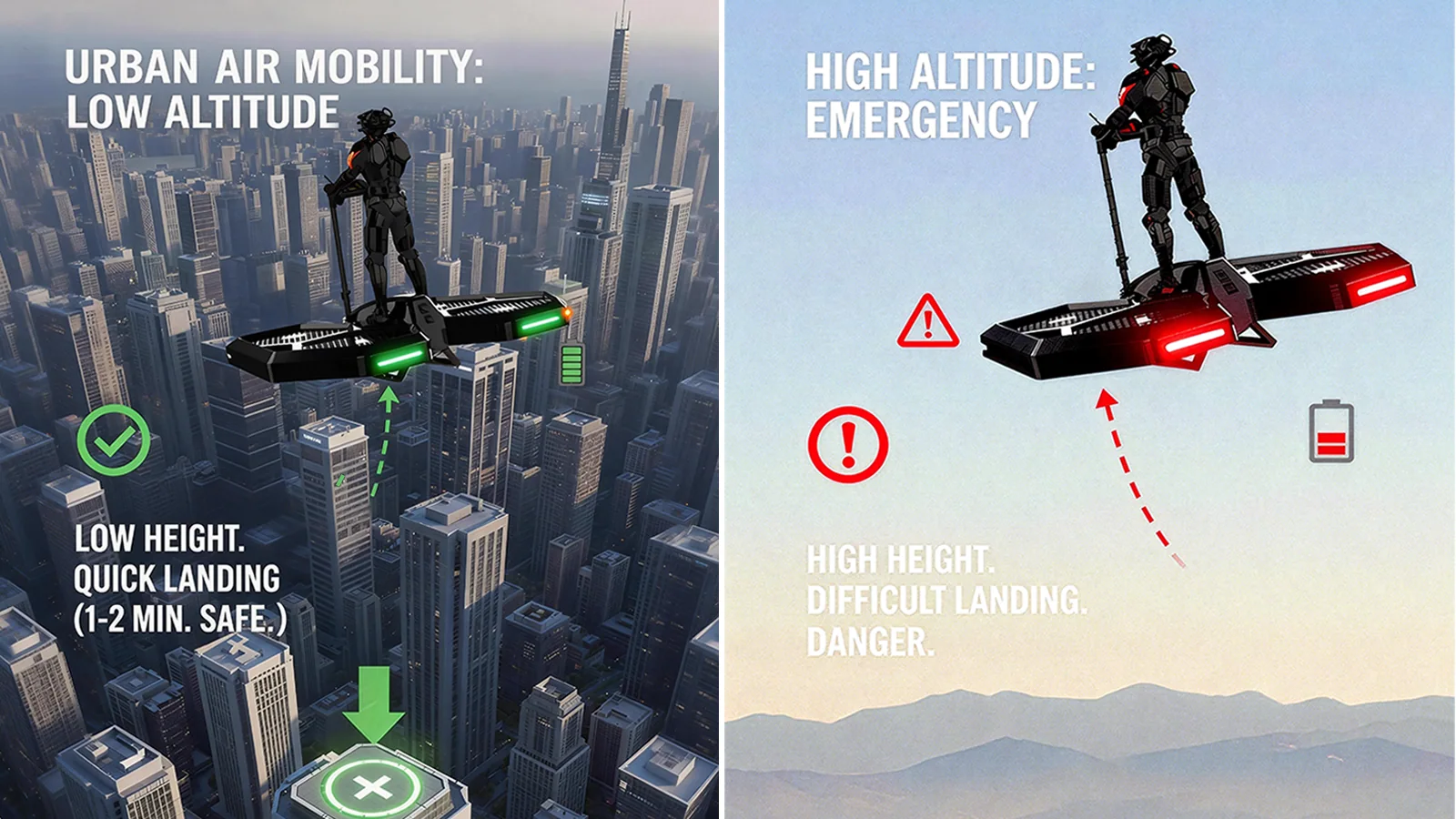
Safety is another thing to think about. If a battery has a problem, the pilot needs to land the plane quickly. If the plane is at a low height, it can find a landing pad in just a minute or two. This is much better than being miles up in the air. Most eVTOL designs focus on "urban air mobility." This means they act like flying taxis. A taxi does not need to fly at the height of a mountain. It just needs to get you across town.
So, will we ever see them fly higher? Maybe one day. If we make batteries that are lighter and stronger, they might go up to 10,000 feet. But for now, the sweet spot is near the ground. We are building a new highway in the sky. It is a highway that sits right above the trees and buildings. It is a very exciting time for aviation. We are finally learning how to use the air just above our heads.