
Newsroom
How to Master Safe Coolfly eVTOL Weather Tech
How to Master Safe Coolfly eVTOL Weather Tech
Many people look at the sky and wonder about the future. They see the new designs for an electric vtol aircraft and feel excited. However, they also feel worried. They ask a very important question. Can this coolfly machine fly in a storm? What happens if it rains or gets very cold? People want to know if an evtol aircraft is as tough as a regular plane.
The short answer is that weather is a big challenge. But, technology is moving fast to solve it. At Coolfly, we do not just build for sunny days. We build for the real world. We use 13 years of hard work to make sure our machines stay stable. Safety is the heart of the low-altitude economy. If a vehicle cannot handle a little wind, it is not a real tool.
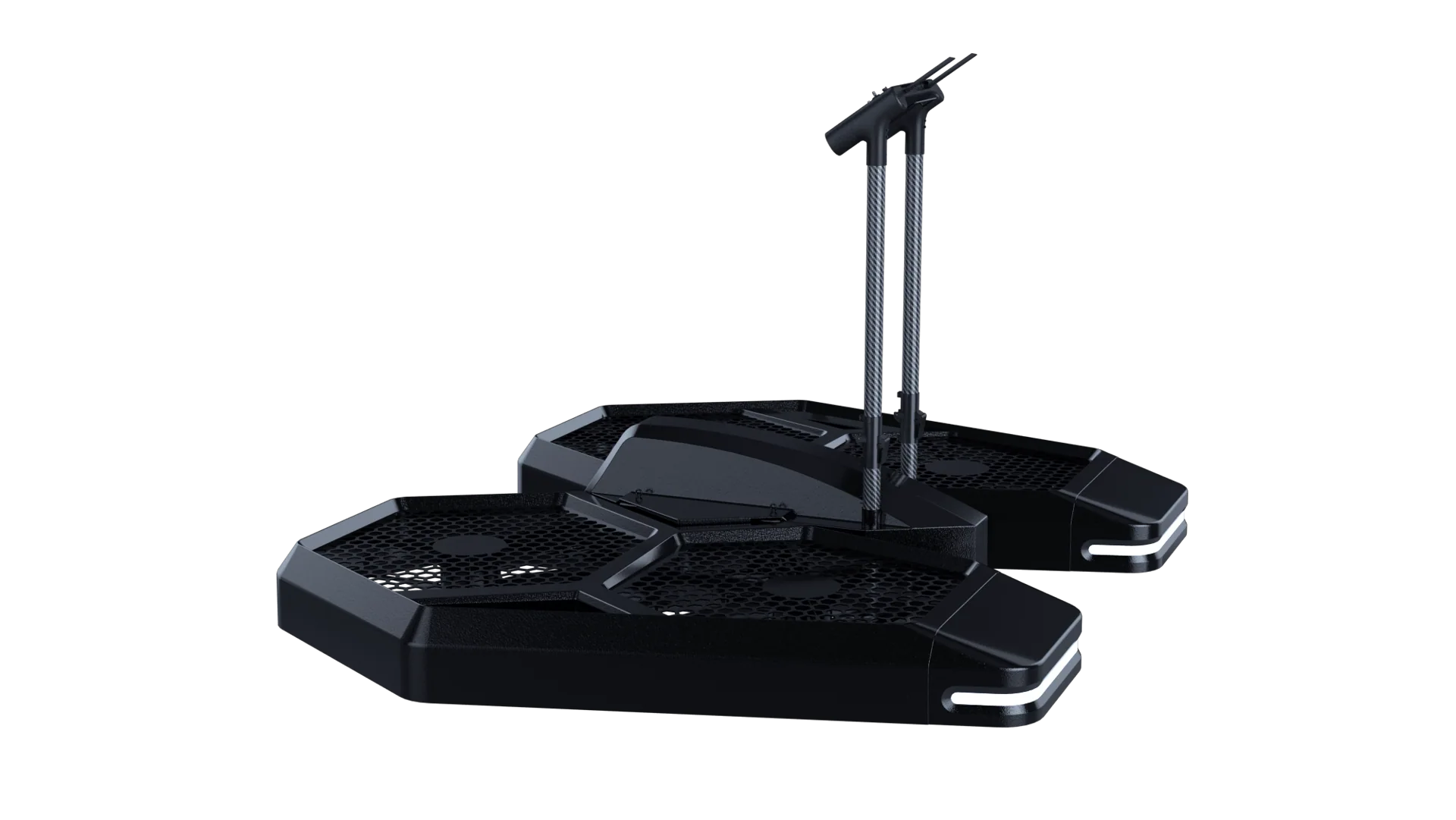
You might still ask, what is evtol aircraft technology doing to fight the weather? It is a mix of smart software and strong hardware. In this post, we will look at how we handle the wind, the rain, and the cold.
Coolfly Fighting the Wind with Speed
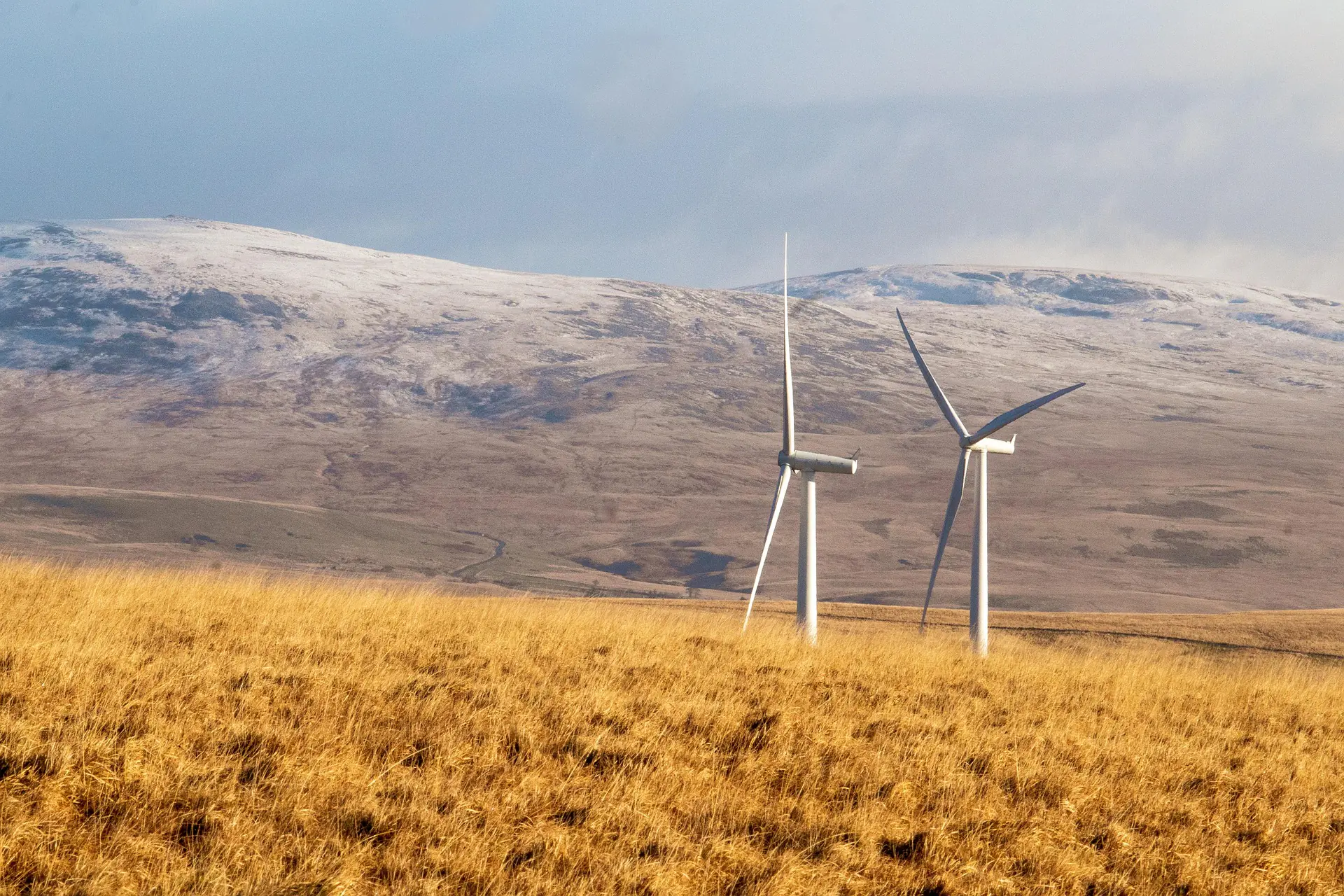
Wind is the first enemy of any small aircraft. In a city, wind can be very messy. It bounces off tall buildings and changes direction in a second. Most people worry that a light vtol will be blown away.
We have observed that stability comes from "response time." This is how fast the motors can change their speed. A vtol aircraft has many motors. This is called distributed propulsion. If a gust of wind hits the left side, the left motors must speed up instantly.
Our team at Coolfly has deep experience with this. Our R&D Director has 13 years of experience in flight control. We have tested our logic on 6 different types of mass-produced models. This includes agricultural drones that work in windy fields. Because our aircraft uses on-board edge computing, it makes decisions in a millisecond. It does not wait for a person to react. The machine feels the wind and fights back before the passenger even notices. This high-speed logic is what makes the future of flight possible.
Staying Dry in Heavy Rain
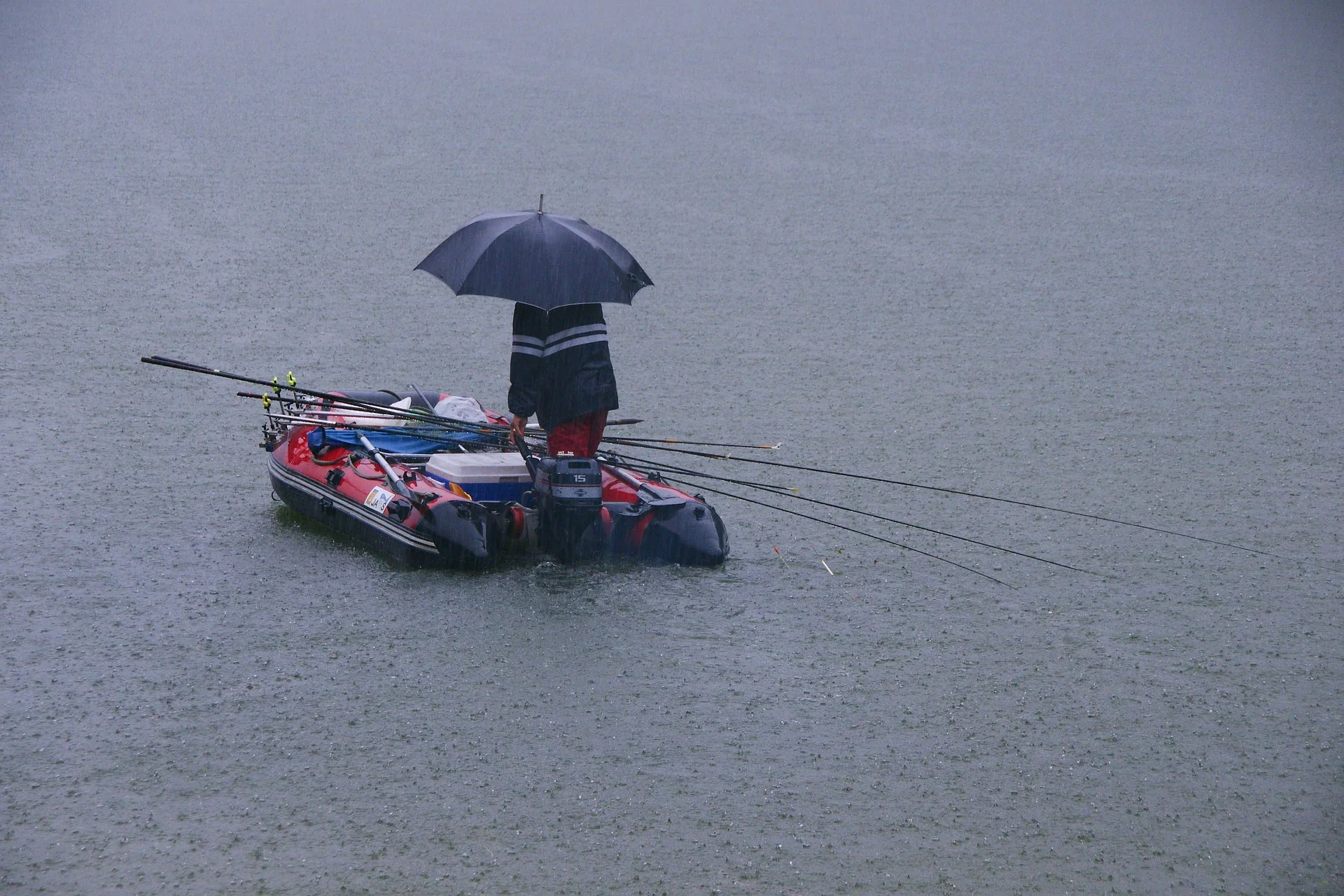
Rain is the next big test. Water and electricity usually do not mix well. An electric vtol aircraft has many wires and batteries. If water gets inside, the system could fail.
We look at our history to solve this. Coolfly has built drones for farming and logistics for a long time. Farming drones must work in the rain and dust every day. They get sprayed with water and chemicals. We took those lessons and put them into our passenger designs.
We use special seals and materials. The body of the aircraft is built to keep water out of the "brain." We also use "bionic" designs. This means the shape of the aircraft helps water run off quickly. We believe that a machine should be like a bird. A bird's feathers keep it dry even in a storm. By using the right materials, we make sure the evtol stays safe even when the clouds open up.
Surviving the Extreme Cold
Cold weather is a different kind of problem. It does not break the machine, but it slows down the battery. In very cold places, batteries lose their power much faster. This can shorten the flight time.
In our research, we found that "thermal management" is the key. This is a system that keeps the battery warm. An electric vtol aircraft needs to be smart about heat. It can use the heat from the motors to keep the battery at the right temperature.
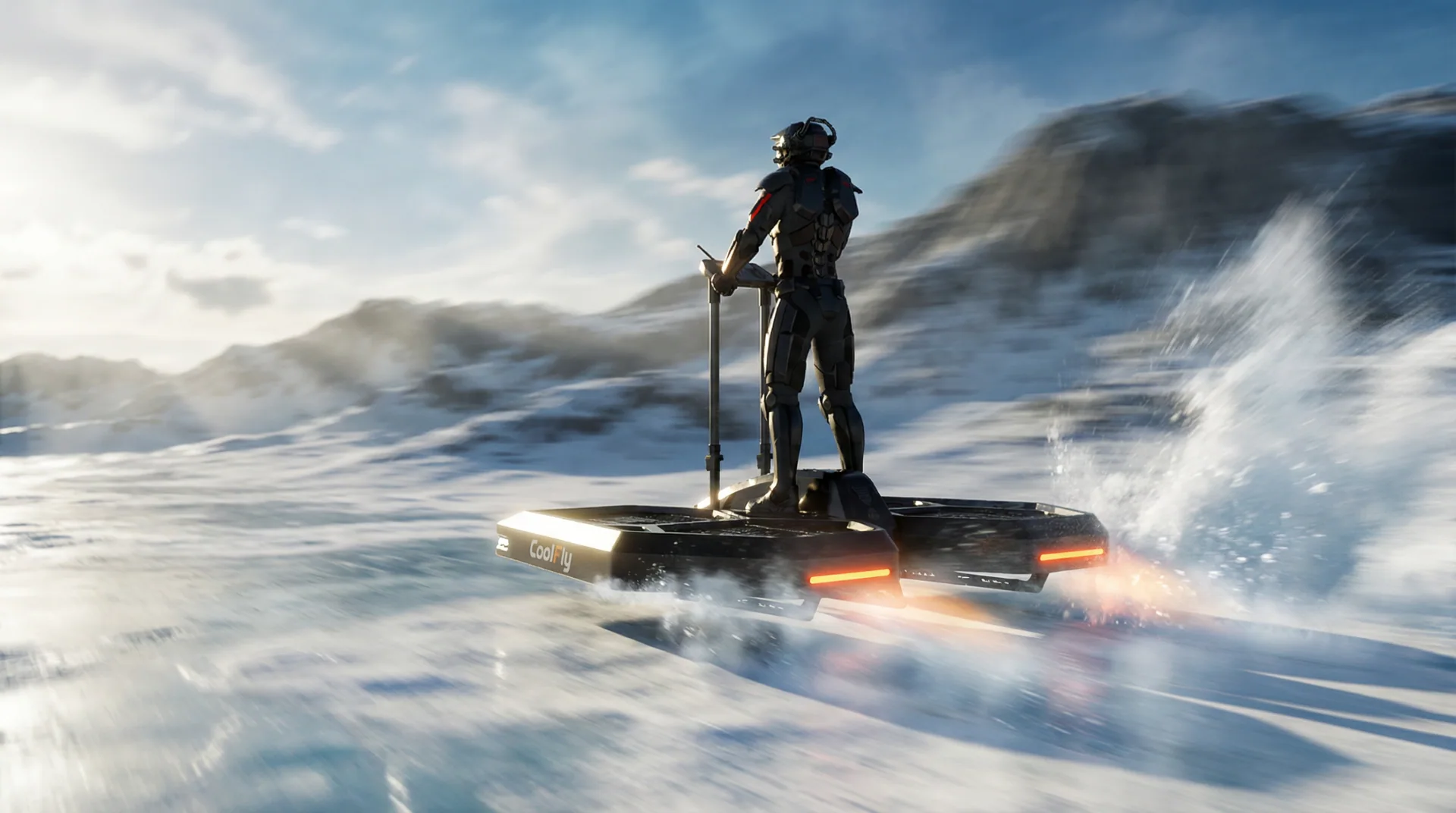
At Coolfly, we have worked on many large-scale projects.These large machines face very cold air at high altitudes. We learned how to protect the electronics from freezing. We use these same secrets in our personal flight machines. The vehicle monitors its own temperature. If it gets too cold, the system protects itself. This ensures that you can still reach your home even on a freezing winter night.
The Role of Coolfly Gravity-Sensing Control
How does the pilot handle a storm? This is where the Coolfly difference shows. Traditional controls are very hard to use when the air is bumpy. A pilot might get tired or make a mistake.
We use gravity-sensing flight control. This system follows your body. If the wind pushes the aircraft, you naturally shift your weight to stay balanced. The aircraft "feels" this movement. It works with you, not against you. It is like skiing or riding a bike. You use your instinct to stay level.
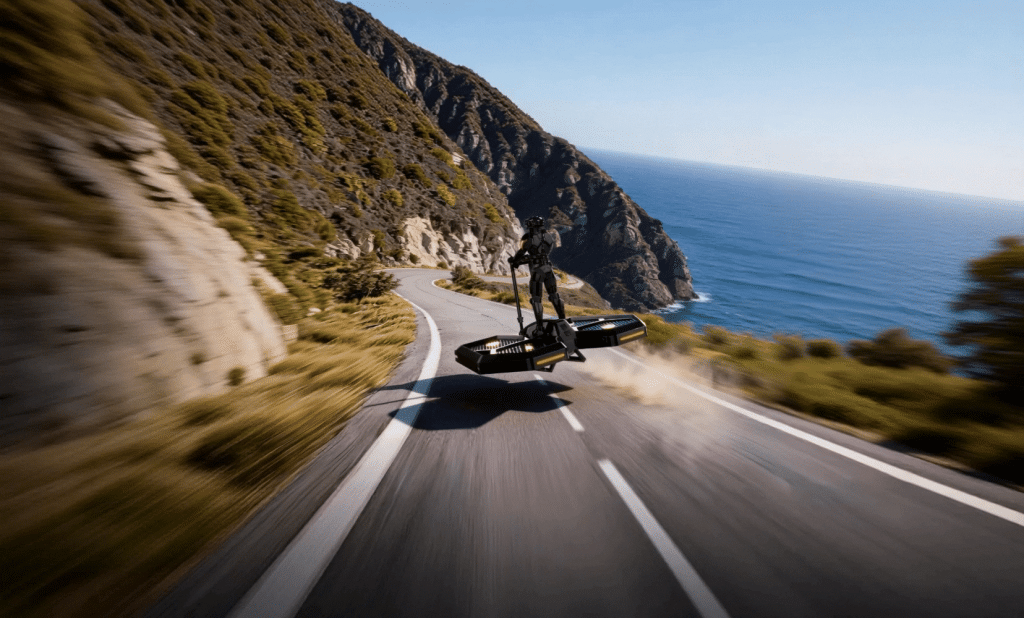
We have seen how this helps new pilots. They do not have to fight the controls. They just stay calm, and the machine handles the rest. This "bionic flight" logic reduces the stress of flying in bad weather. It makes the future of the low-altitude economy much more friendly for everyone.
Trust and the Reality of Limits
We must be honest about limits. No aircraft can fly in a hurricane. Safety means knowing when to stay on the ground. Every vtol aircraft has a "weather window." These are the safe limits for wind and rain.
The goal of Coolfly is to make that window as large as possible. We want you to fly on most days, not just on perfect days. We use our 13 years of data to set these limits. Our on-board computers check the weather in real-time. If the wind is too strong, the machine will tell the pilot. It will suggest a safer path or a different time. This honesty is how we build trust with our users.
The industry is still learning. We are seeing more sensors and better AI every year. As the technology grows, these machines will become even tougher. We are moving toward a world where a small electric flyer is as reliable as a car.
Coolfly Ready for Any Season
Can it fly in bad weather? Yes, within safe limits. Between the high-speed edge computing, the waterproof seals, and the thermal management, the evtol is a very capable machine.
The future of flight is not just about the hardware. It is about the experience of the team. At Coolfly, we use our long history in farming and logistics to build better passenger planes. We know how to handle the wind because we have been doing it for 13 years.The low-altitude economy is coming. It will bring us a new way to move and a new way to live. Weather will always be there, but it will not stop us. With the right technology and a focus on safety, the sky is open in every season.