
Newsroom
Proven Coolfly Life-Saving Tech in This eVTOL
Proven Coolfly Life-Saving Tech in This eVTOL
The Heart of Safety: What is Coolfly eVTOL Aircraft Redundancy?
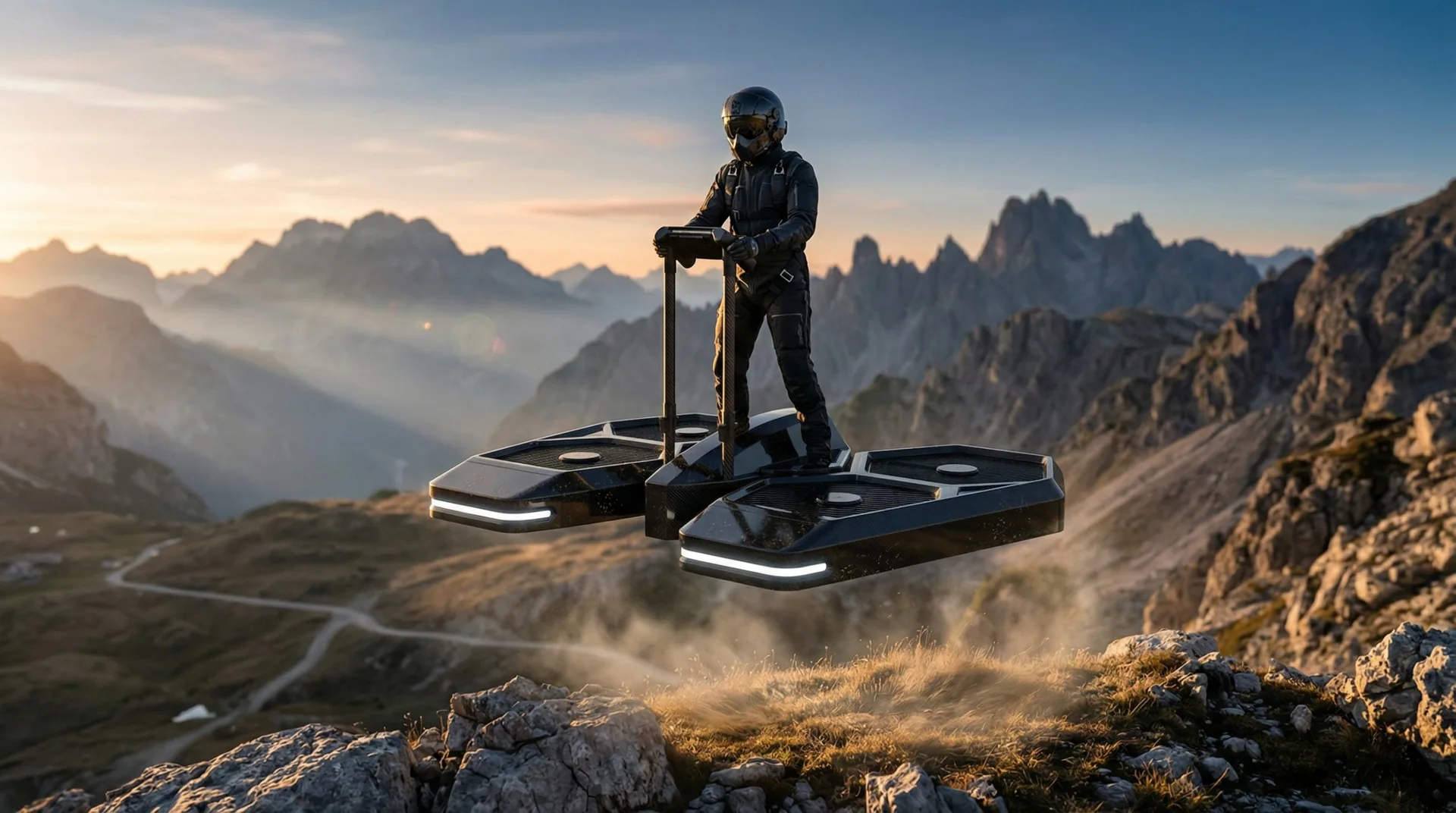
I am a member of the Coolfly engineering team. Every day, we look at the sky and imagine a new way to travel. When we show our standing vehicle to the world, people often ask: what is evtol aircraft? The name stands for Vertical Take-off and Landing. These machines do not need a runway. They lift straight up like a bird. However, the most important question we hear is not about speed. It is about safety. People want to know what happens if a wire snaps or a sensor fails.
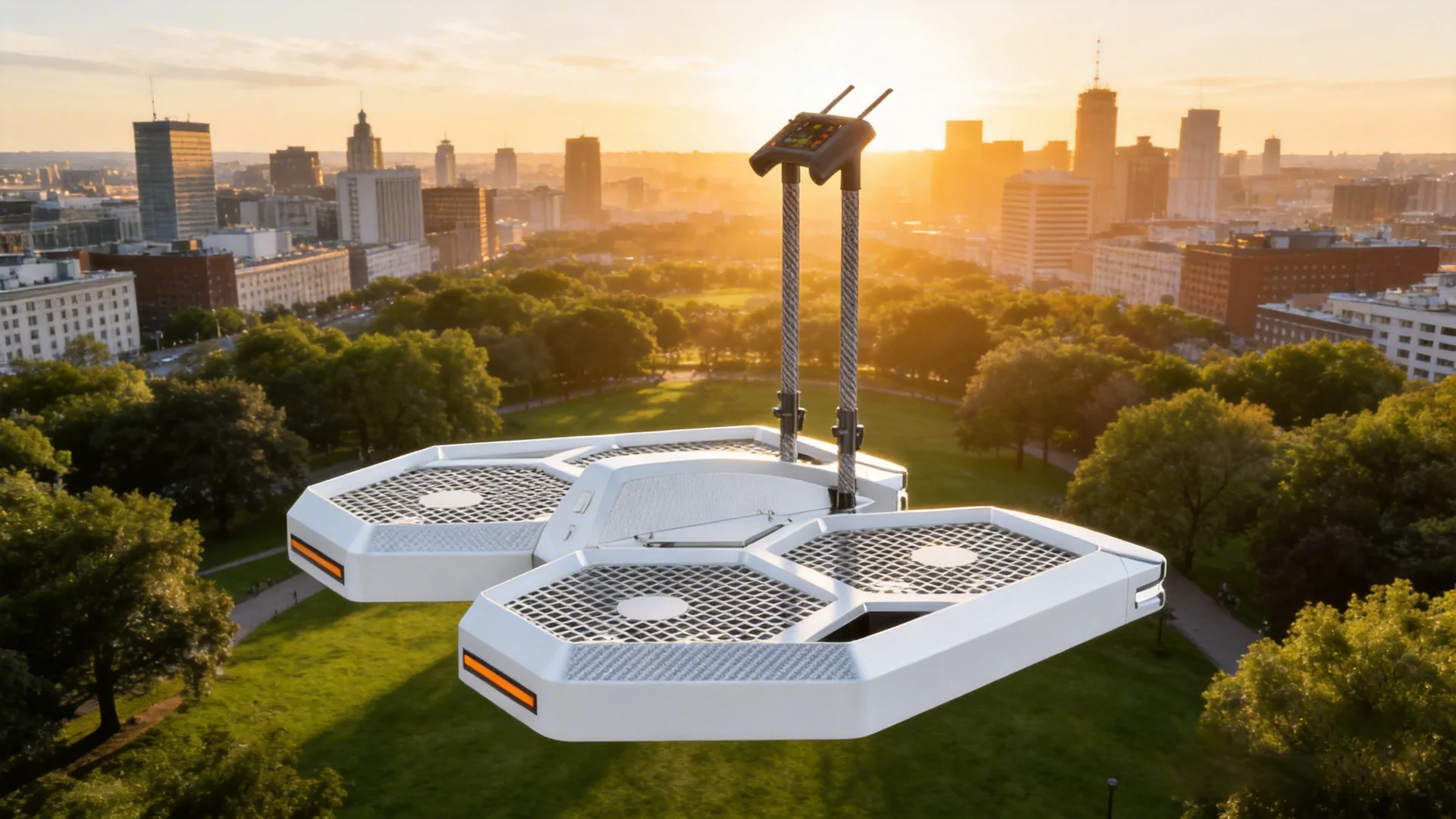
In the world of aviation, we have a special word for this. We call it "redundancy." Redundancy simply means having a backup. Do not just have one of every important part,we have two or more. If the primary part stops working, the backup part takes over immediately. This is not a luxury. For Coolfly, this is the core of our design. We believe the future of urban flight depends on one thing. That thing is trust. We want every rider to know that our machine is built to handle the unexpected.
The Double Brain: How Do Coolfly Electric VTOL Aircraft Work with Dual Sensors?
Many people ask us, how do electric vtol aircraft work when the air gets rough? The secret lies in the flight control system. Our aircraft does not have a steering wheel. You control it by moving your body. To do this, the machine needs to "feel" your balance. It uses a sensor called an IMU (Inertial Measurement Unit). This sensor measures the tilt and movement of the platform thousands of times every second.
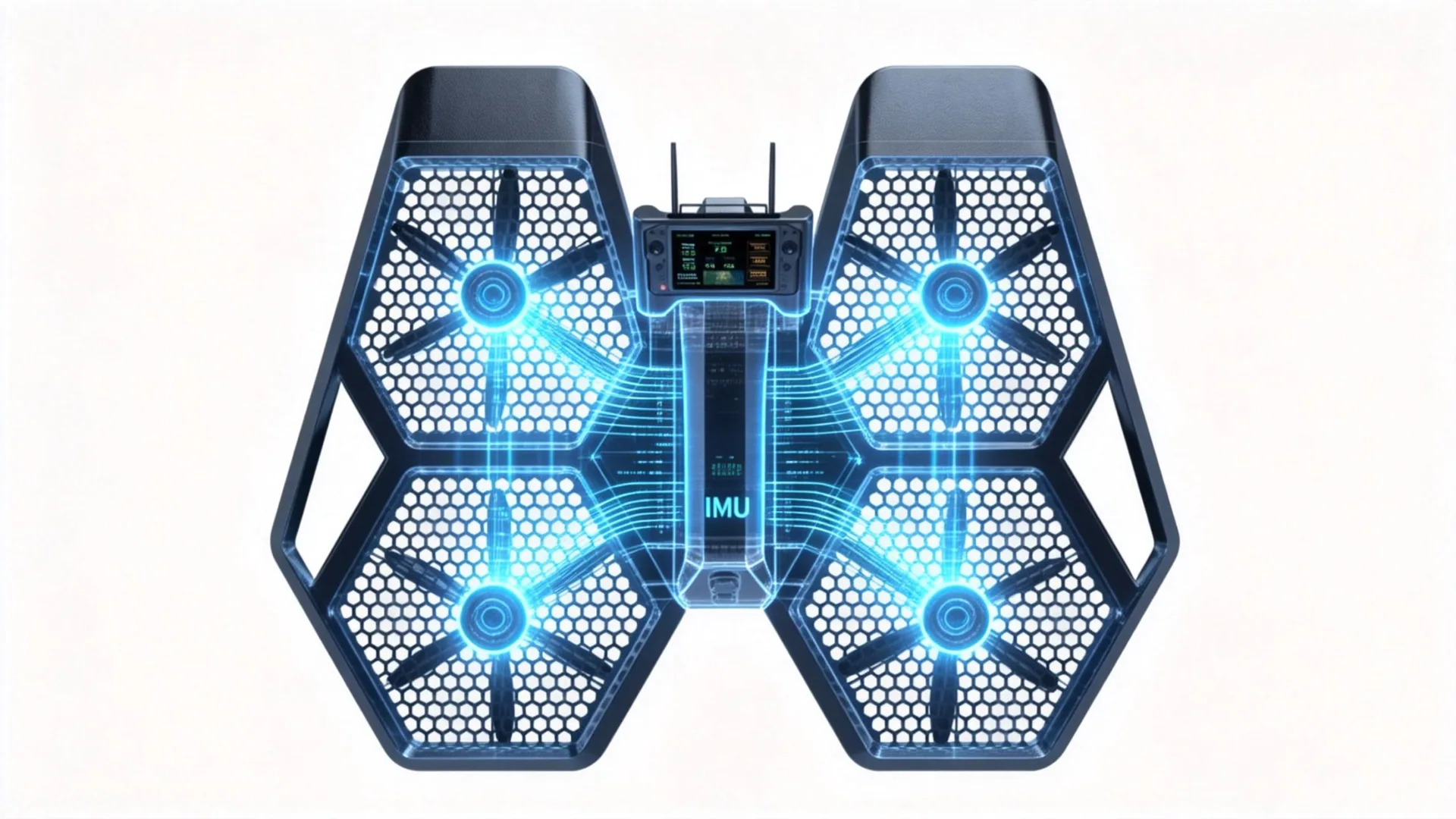
We realized early in our research that a single sensor is a risk. If that one sensor makes a mistake, the whole flight could fail. Therefore, we installed a dual-redundant IMU system. We have two separate "brains" checking the balance at the same time. During our laboratory tests, we simulated a sensor failure. We intentionally cut the power to one IMU while the aircraft was hovering. The results were perfect. The second IMU took control in less than a millisecond. The aircraft did not even wobble. This background research gives us the confidence to say our system is reliable. We removed the human fear of sensor errors by giving the machine a second opinion.
Power in Numbers: Why Multiple Motors Protect the Pilot
The physical layout of a vtol aircraft is also a safety feature. Some traditional aircraft rely on one large engine. If that engine fails, the pilot must glide to the ground. Coolfly chose a different path for the future. We use several independent motors and enclosed fans. This is a key part of the electric vtol aircraft philosophy. Each motor works on its own.
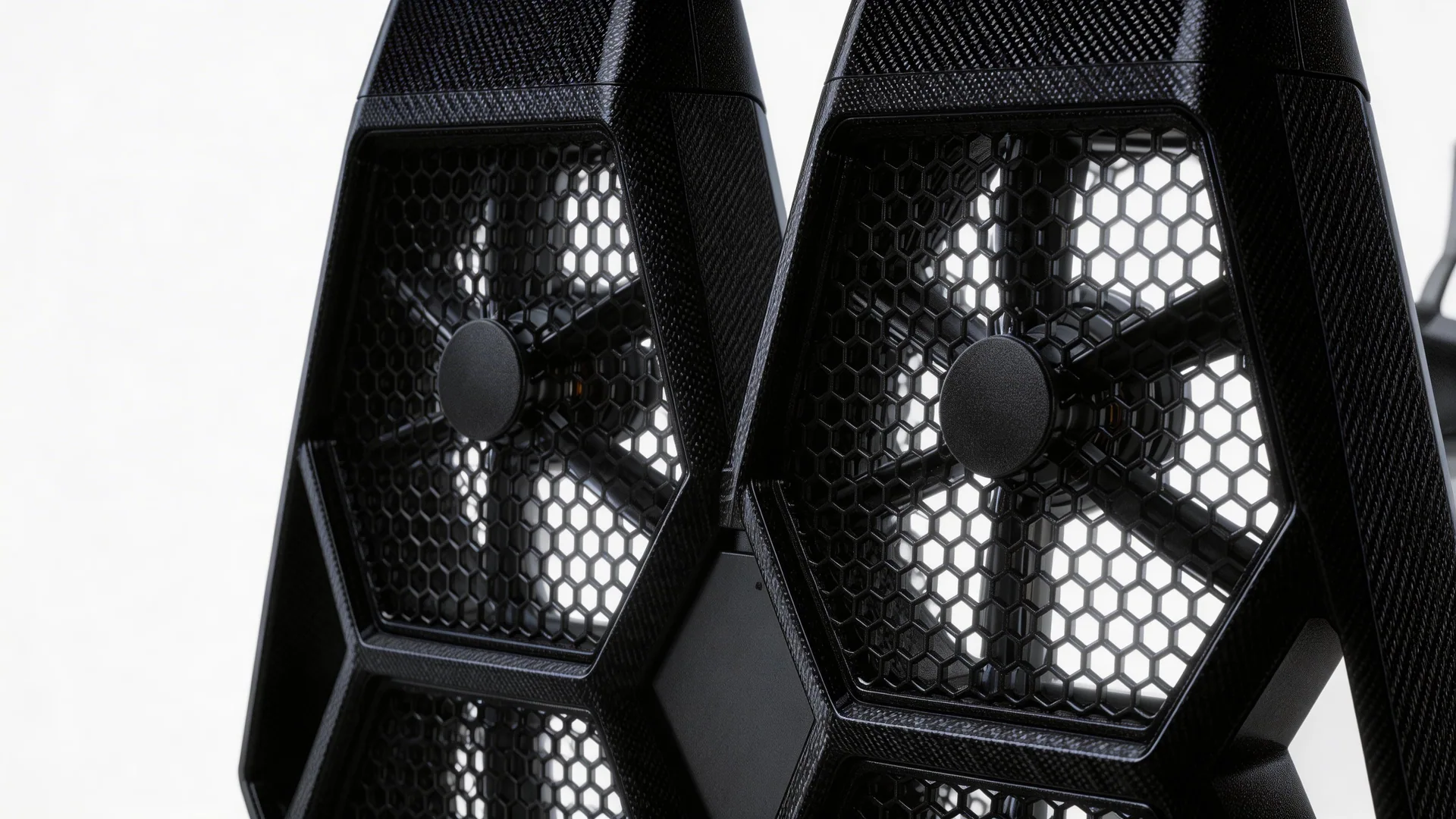
I often watch our flight logs from the testing grounds. We once tested a "motor-out" scenario. We turned off one of the motors while the vehicle was in the air. In an old-fashioned machine, this would cause a spin. But our AI system is different. It noticed the loss of power instantly. It increased the speed of the remaining motors to compensate for the missing one. The platform stayed level. The rider could still land the vehicle safely. By using many small motors instead of one big one, we created a safety net in the sky. This design ensures that a single mechanical failure does not lead to a disaster.
Lessons from Harbin: Testing Redundancy in Extreme Cold
We do not just test our machines in perfect weather. Real life is messy and unpredictable. Last winter, our team took the Coolfly vehicle to Harbin, China. The temperature there was negative 30 degrees Celsius. This was a critical test for our redundant power systems. Cold weather makes batteries weak. It makes metal brittle. We wanted to see how our backup systems would behave in the freezing ice.

During one early morning test, the extreme cold caused a minor glitch in one of the battery communication lines. In a normal drone, this might have caused a crash. However, our dual-redundant wiring saved the day. The backup data line was already active. The flight continued without any interruption. We stood in the snow and realized something important. Safety is not just about the parts you can see. It is about the hidden layers of protection that work when things get hard. This personal observation changed how we look at the low-altitude economy. We are not just building a product. We are building a system that survives the real world.
The Battery Shield: Smart Power Management for Longer Flights
The battery is another area where we refused to take shortcuts. People often worry about running out of power in the sky. They ask, what happens if the battery gets too hot? We solved this by creating a multi-pack battery system. We do not use one giant battery. Instead, we use multiple smaller packs. Each pack is isolated from the others.
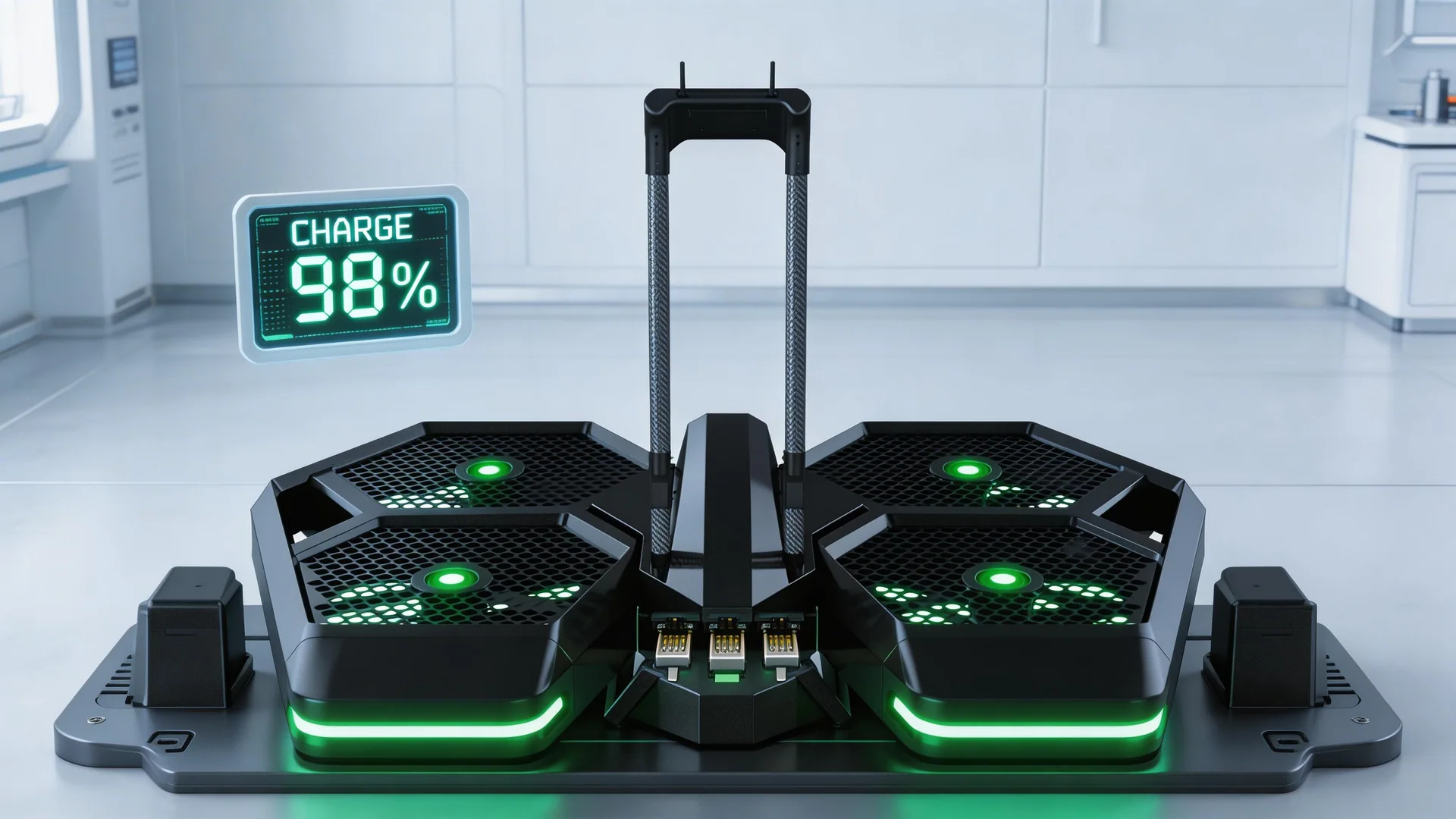
Our battery management system (BMS) acts like a security guard. It monitors the temperature and voltage of every cell. If one pack shows a problem, the system shuts it down. The other packs share the workload to keep the machine flying. This prevents a small cell failure from spreading to the whole system. We believe this is the only way to build a safe evtol. You should never have to worry about a single point of failure. Our dual-redundant power logic ensures that you always have enough energy to reach your destination.
A New Standard for the Future of VTOL Aircraft
The industry is changing fast. Many companies are racing to be the first to fly. At Coolfly, we are racing to be the safest. We look at the FAA Part 103 rules very closely. These rules help us keep the machine light. But our internal safety rules are even stricter. We use aerospace-grade components,use redundant sensors,use AI that thinks faster than a human pilot.
We believe that personal flight should be as common as driving a car. But it will only happen if the technology is invisible and reliable. You do not think about the brakes in your car until you need them. You should not have to think about the redundant sensors in your Coolfly board. They are just there, working in the background to keep you upright.
We are proud of what we have built. We have combined human instinct with machine precision. The standing posture makes the flight natural. The redundant systems make the flight secure. We will continue to push the limits of what is possible in the low-altitude sky. The sky is no longer a place for only experts. It is a place for everyone. We invite you to step onto the platform. Feel the wind. Trust the dual-redundant brain beneath your feet. The future is here, and it is safer than you ever imagined.