
Newsroom
Remote vs. Autonomous: The Stunning Secrets of VTOLs
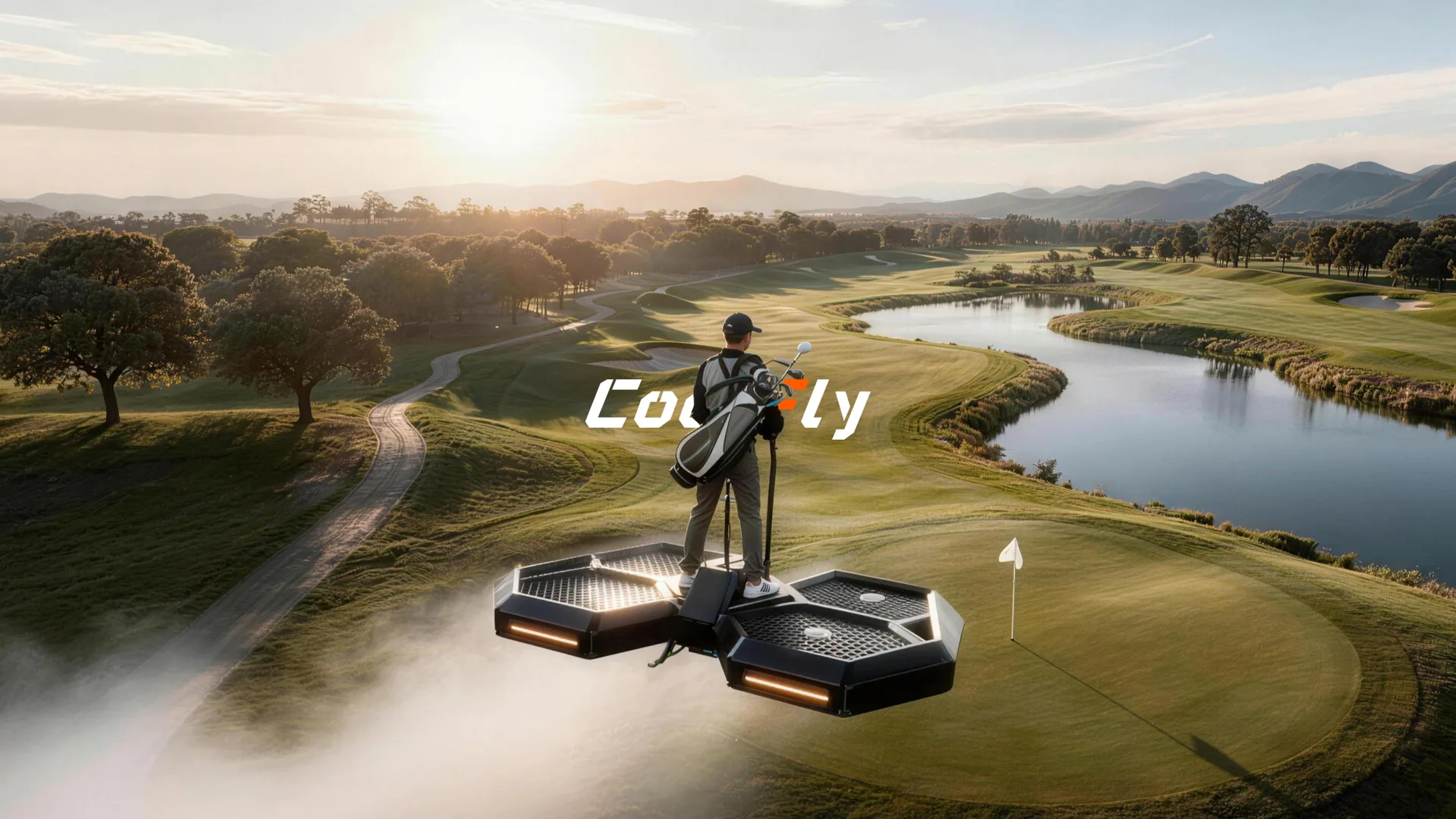
The way we travel is changing very fast. You might have seen videos of small flying cars or large drones carrying people. These machines are often called vtol aircraft. If you are wondering, what is vtol aircraft? The answer is simple. It stands for Vertical Take-Off and Landing. These vehicles do not need a long runway. They lift straight up like a helicopter but can fly forward like an airplane. Most new designs use electricity, which is why we call them electric vtol aircraft or evtol.
As a researcher in this field, we spend a lot of time looking at how these vehicles are controlled. We have two main choices. We can fly them from the ground using a remote. Or, we can let the computer take over. This is called autonomous operation. Both ways have great power, but both have walls they cannot climb yet. Companies like Coolfly are working hard to find the best balance for the future.
The Power of Remote Operation
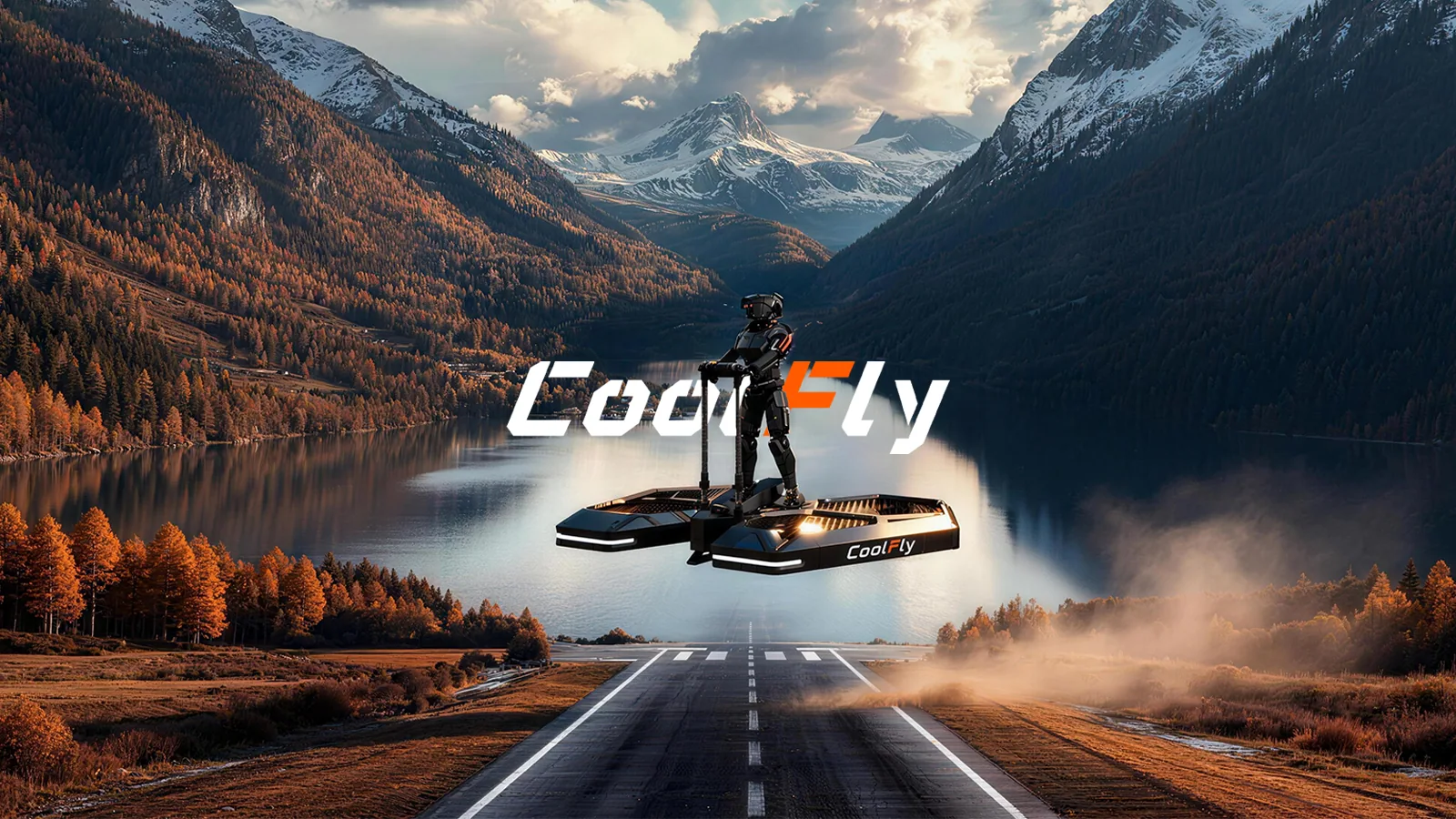
Remote operation means a human pilot sits in a control center. They use screens and joysticks to fly the vehicle. This is very common today for military drones and small camera drones.
The biggest strength of a human pilot is intuition. Humans are very good at handling things they did not expect. Imagine a vtol flying a rescue mission in a city. Suddenly, a new power line appears that was not on the map. A human pilot can see this and move quickly. Humans can also make moral choices. In a complex emergency, a person can decide which path is safest for the people on the ground.
But humans have limits too. We get tired. Our eyes can miss small details after many hours of work. Also, there is the problem of "latency." Latency is the tiny delay between the pilot moving the stick and the aircraft moving. Even a one-second delay can cause a crash in bad weather. According to the Federal Aviation Administration, "Human error remains a leading cause of incidents in aviation" (FAA 12). This is why we cannot rely only on people if we want thousands of evtol flying at once.
The Rise of Autonomous Systems
Now, let's talk about the computer. Autonomous operation means the aircraft "thinks" for itself. It uses sensors like Lidar, cameras, and GPS to know where it is. It follows a path programmed into its brain.
The capability of an electric vtol aircraft to fly itself is amazing. Computers do not get bored. They can process thousands of data points every second. They can talk to other aircraft to make sure they do not hit each other. This is the key to a busy future sky. If every vehicle knows where every other vehicle is, the sky stays safe.
I have observed that autonomous systems are perfect for "boring" tasks. Think about a Coolfly vehicle carrying a package from point A to point B every day. The path is the same. The wind is predictable. The computer will do this perfectly every time. It reduces cognitive costs, as it eliminates the need for humans to repeatedly expend effort on the same tasks.
However, autonomous systems have a "hard" limitation. They only know what they are taught. If a sensor fails or the software sees something it does not recognize, it might get confused. We call these "edge cases." A computer might see a strange reflection on a glass building and think it is an open path. Without a human to double-check, this is a big risk.
The Reality of Hardware and Environment
We must also talk about the environment. The sky is a messy place. It has wind, rain, and birds. An evtol aircraft must be able to handle "microbursts." These are sudden, strong winds that push the vehicle down.
In my research, I found that remote pilots often struggle with these winds because they cannot "feel" the aircraft. They only see what the camera shows. On the other hand, an autonomous system can feel the wind through its sensors. It can adjust the motors in milliseconds to stay level. This makes the vtol much more stable than a human could ever make it.

But there is a catch. If the GPS signal is blocked by tall buildings, the autonomous system might lose its way. This is a common problem in big cities. This is where the remote pilot becomes useful again. The pilot can use the camera to fly the vehicle manually until the GPS signal comes back.
How Coolfly is Bridging the Gap
So, which one is better? The answer is likely a mix of both. Coolfly is looking at a "hybrid" model. This means the computer does most of the flying, but a human watches from a distance.
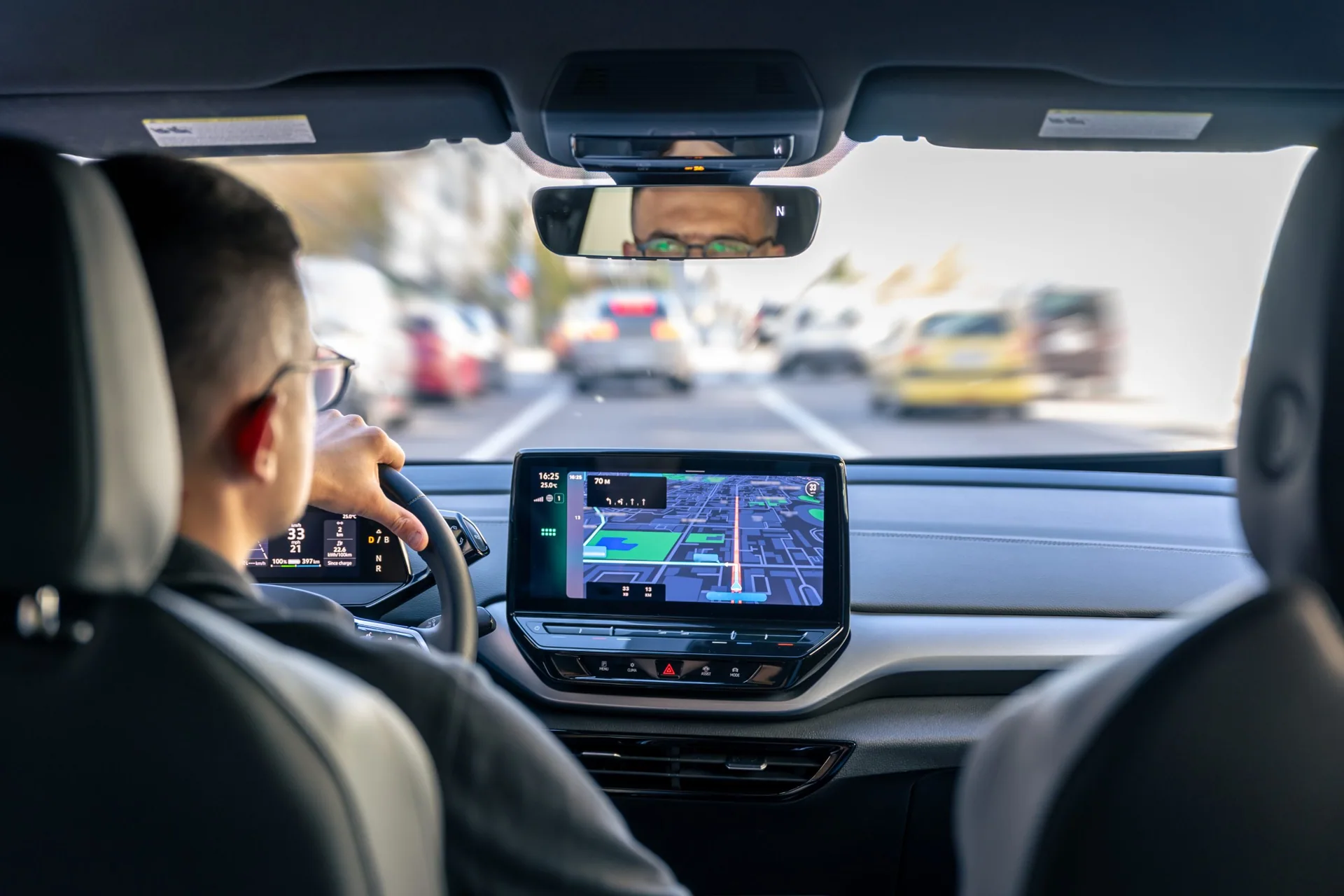
Think of it like a modern car. It can stay in its lane and brake for you, but you still keep your hands near the wheel. For vtol aircraft, this means the software handles the balance and the basic path. If something goes wrong, the human takes control. This removes the "human error" of basic flying but keeps the "human wisdom" for emergencies.
This is very important for the commercial side of things. People will not get into an electric vtol aircraft if they do not feel safe. Having a human pilot—even one who is miles away—makes people feel better. It builds trust in this new technology.
Looking to the Future
The future of flight is not just about the hardware. It is about the software and the people. We are moving toward a world where flight is as easy as calling a taxi.
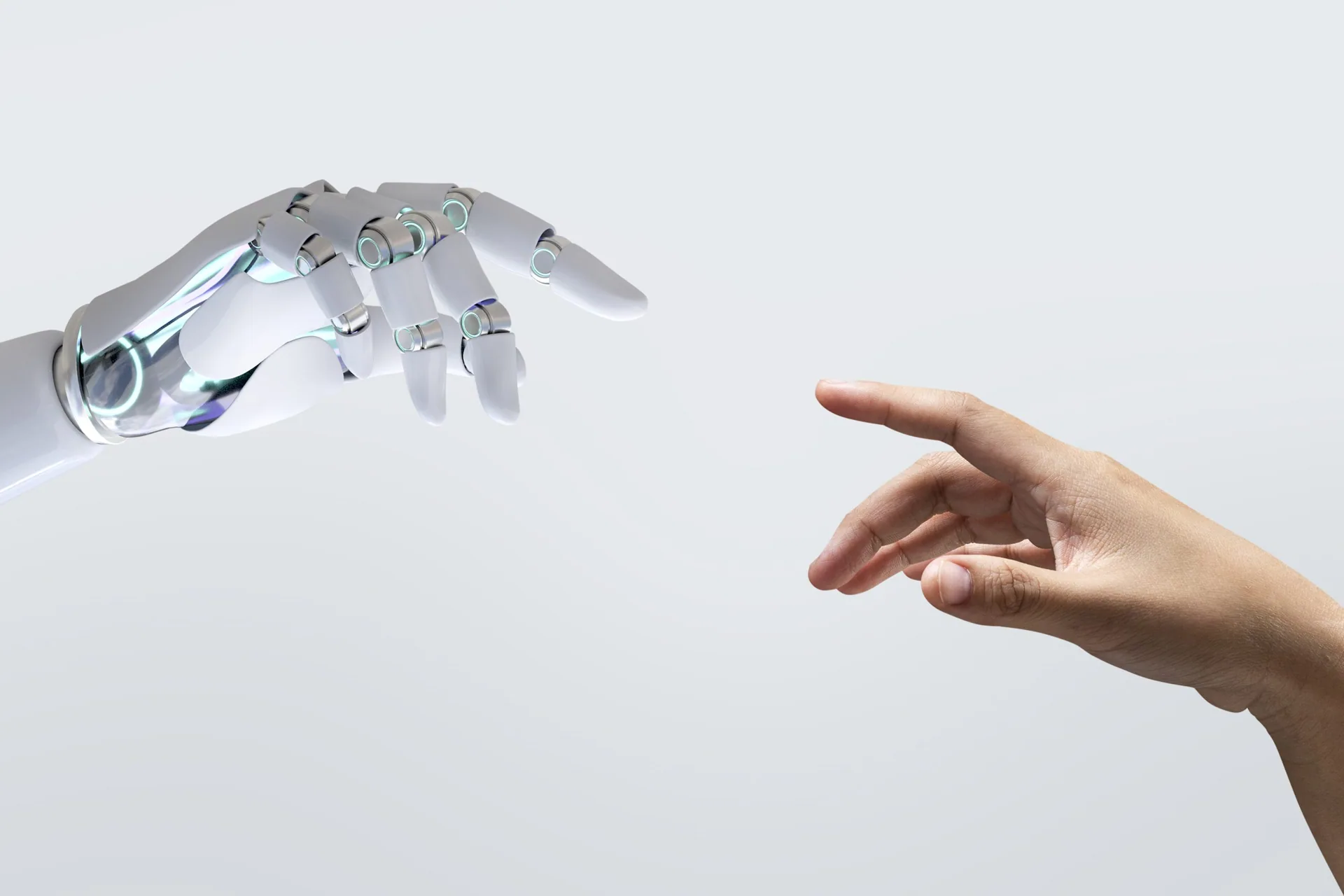
Will we ever have 100% autonomous flight? Maybe. But for now, we need to respect the limitations of both systems. Remote operation gives us flexibility and heart. Autonomous operation gives us scale and precision. By combining them, we make the low-altitude economy real.
What do you think? Would you feel safer with a computer or a human at the controls? As we watch Coolfly and other leaders build these machines, we will soon find the answer in the sky above us.