

Newsroom
The Coolfly Massive New Promise of eVTOL MTBF
The Coolfly Massive New Promise of eVTOL MTBF
The Engineering Reality Behind the Magic
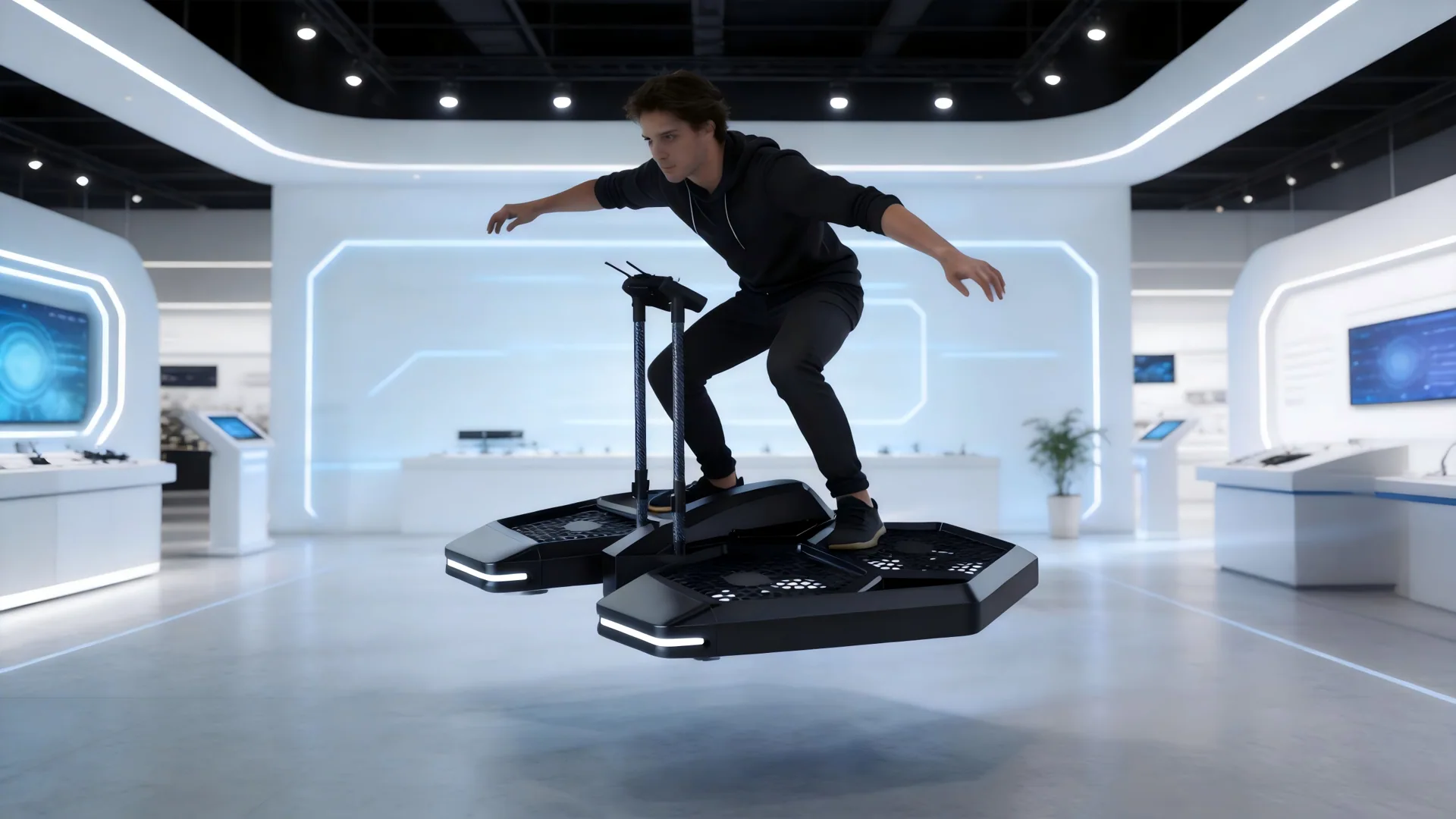
Engineers break things on purpose. They push motors until they smoke. They shake sensors until they snap. This violent testing builds safe flight. You might type what is evtol aircraft into a search engine today. And you will see many glossy pictures,read about the future of urban travel. A new electric vtol aircraft usually looks like a sci-fi movie prop. For example, the Coolfly evtol aircraft debuted at CES 2026. This personal evtol lets you surf the sky. You steer it with your body weight. The design removes the heavy cockpit. It removes the pilot seat. This vtol aircraft looks very simple on the outside. But simple designs hide intense engineering. The true magic happens inside the testing lab.
Understanding Coolfly MTBF in Aviation
We must talk about the math behind the magic. Reliability engineering uses a specific metric. Professionals call this MTBF. The letters stand for Mean Time Between Failures. This number tells us how long a machine operates before a problem happens. A high MTBF means high safety. A flying machine cannot break down in the sky. We cannot park an aircraft on a cloud. Every part must work perfectly.
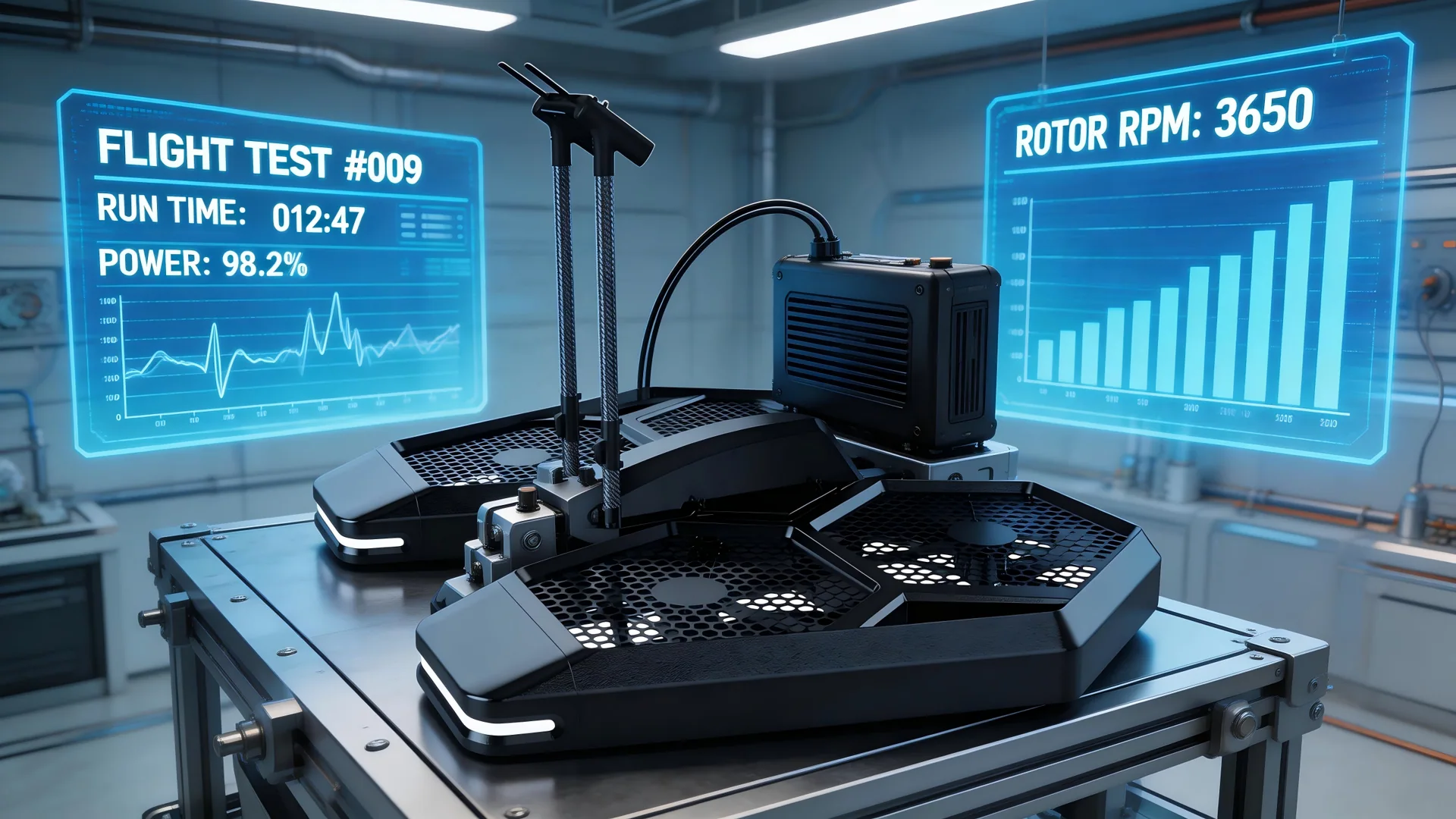
Researchers test every wire and battery in a lab. They run the parts for thousands of hours and add the results together. What is the exact MTBF number for the Coolfly platform? We cannot share exact hours with you. But we study how these aviation companies design their safety nets and we can learn a lot from their hardware choices.
Hardware Redundancy and Vibration Defense
Small aircraft face a huge unseen enemy. That enemy is vibration. Fast-spinning motors create constant shaking. This shaking can slowly destroy cheap parts. Loose wires cause major electronic failures. Coolfly builds its frame using aerospace-grade ultralight materials. These tough materials absorb the shaking. This material choice pushes the MTBF number much higher.
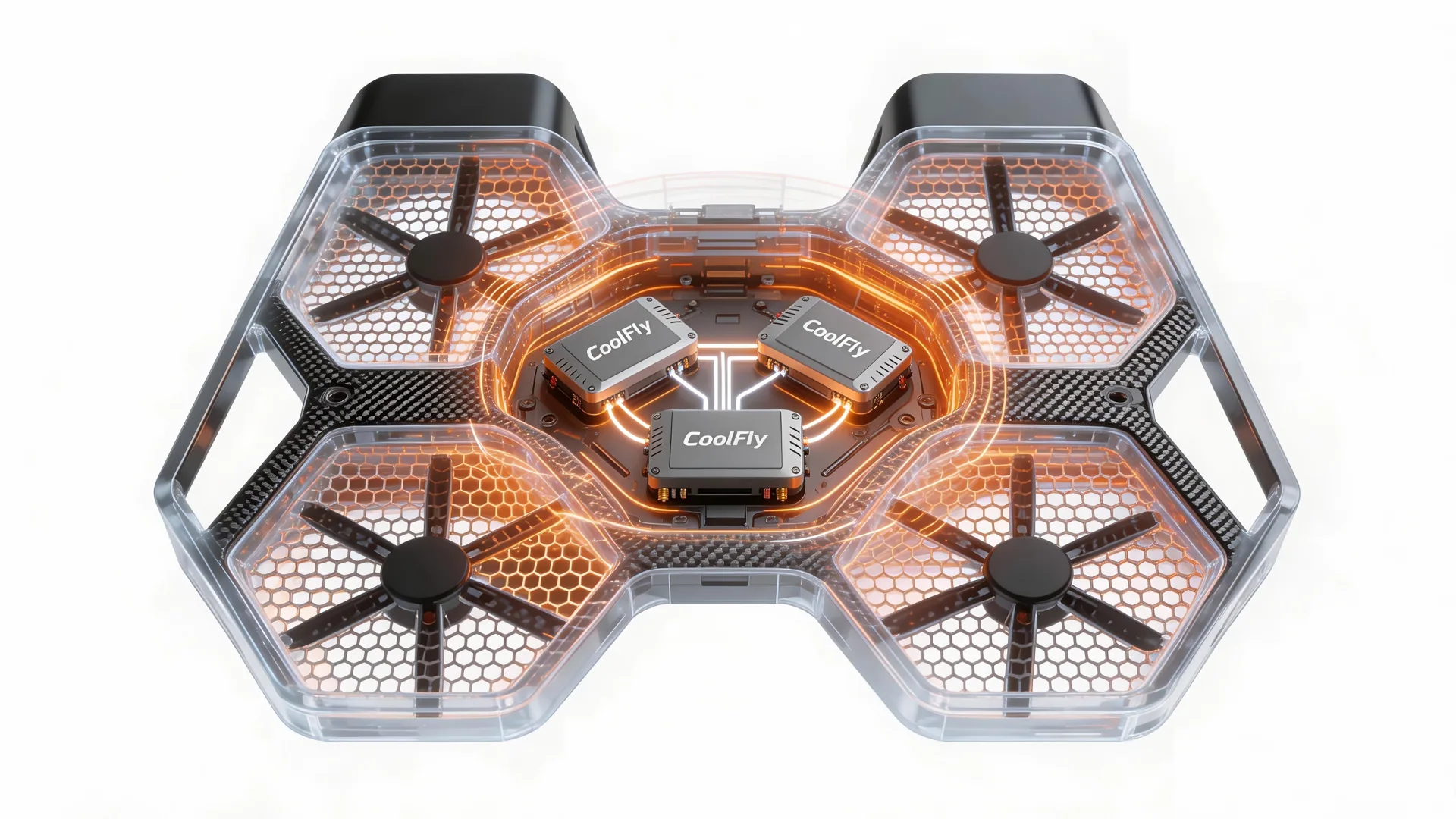
The engineers also use a method called redundancy. Redundancy simply means having spare parts ready. The vehicle relies on an AI gravity-sensing flight control system. The IMU sensor is the heart of this system. It reads your body shifts. The company installed dual-redundant IMU systems. If the main sensor stops working, the backup sensor wakes up instantly. The rider does not even feel the switch. According to industry experts, "redundancy is the bedrock of autonomous aviation safety" (Aviation Today). This backup system prevents sudden crashes.
Coolfly Smart Diagnostics and Physical Protection
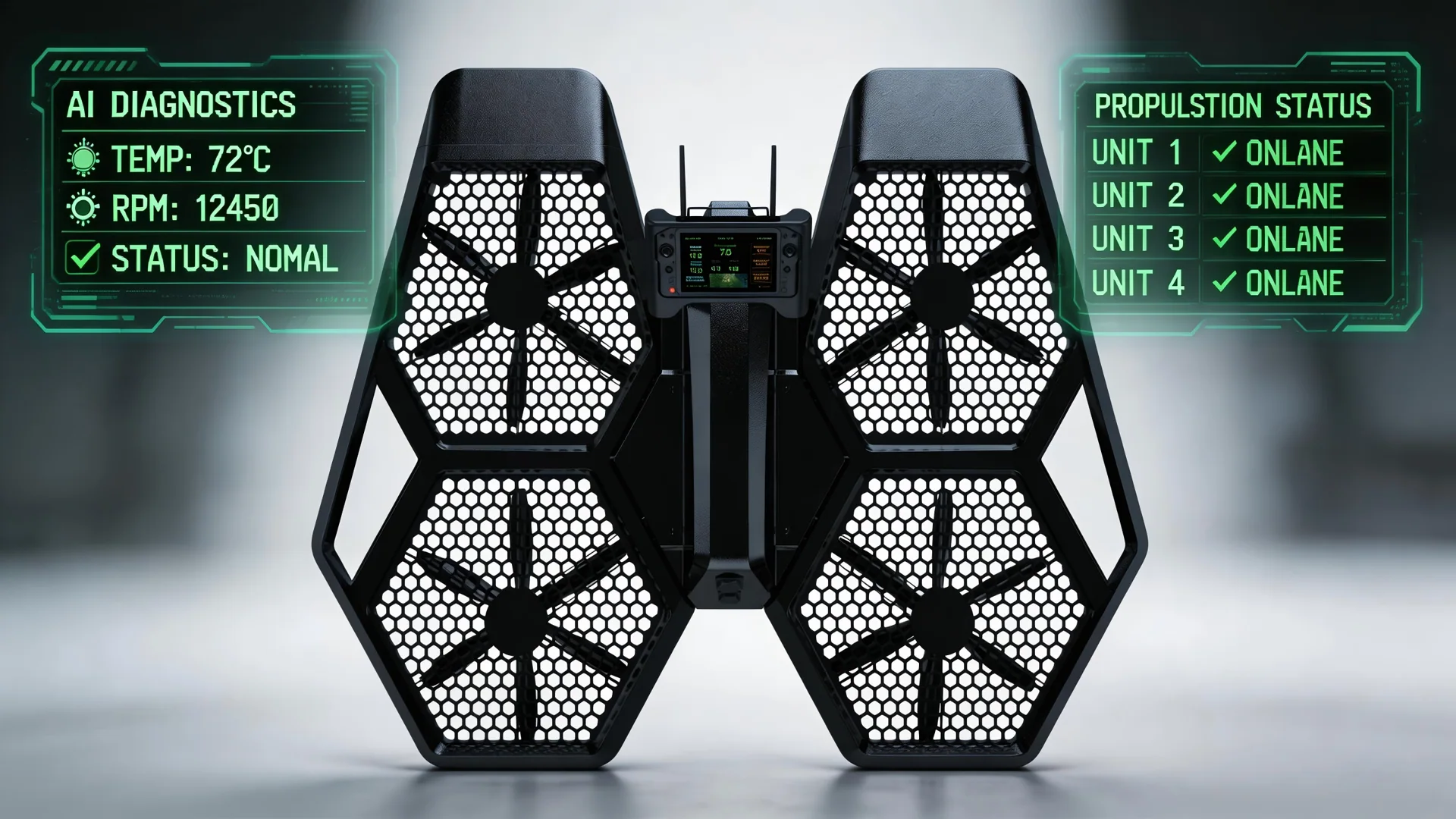
Hardware is only half the story. The software must constantly check the hardware. We call this process diagnostics. The machine performs a health check every single second. The software watches the battery heat. It monitors the motor speed. If a motor struggles, the system adjusts the power automatically. This smart AI prevents catastrophic failures before they start. The physical shape of the craft also acts as a safety shield. Traditional helicopters use open blades. Open blades often hit birds and tree branches. Coolfly uses an enclosed propfan propulsion system. They hid the sharp blades inside solid rings. This physical barrier stops flying debris from breaking the motors. This intelligent design drastically lowers the chance of mechanical failure.
The Regulatory Push for Perfect Software
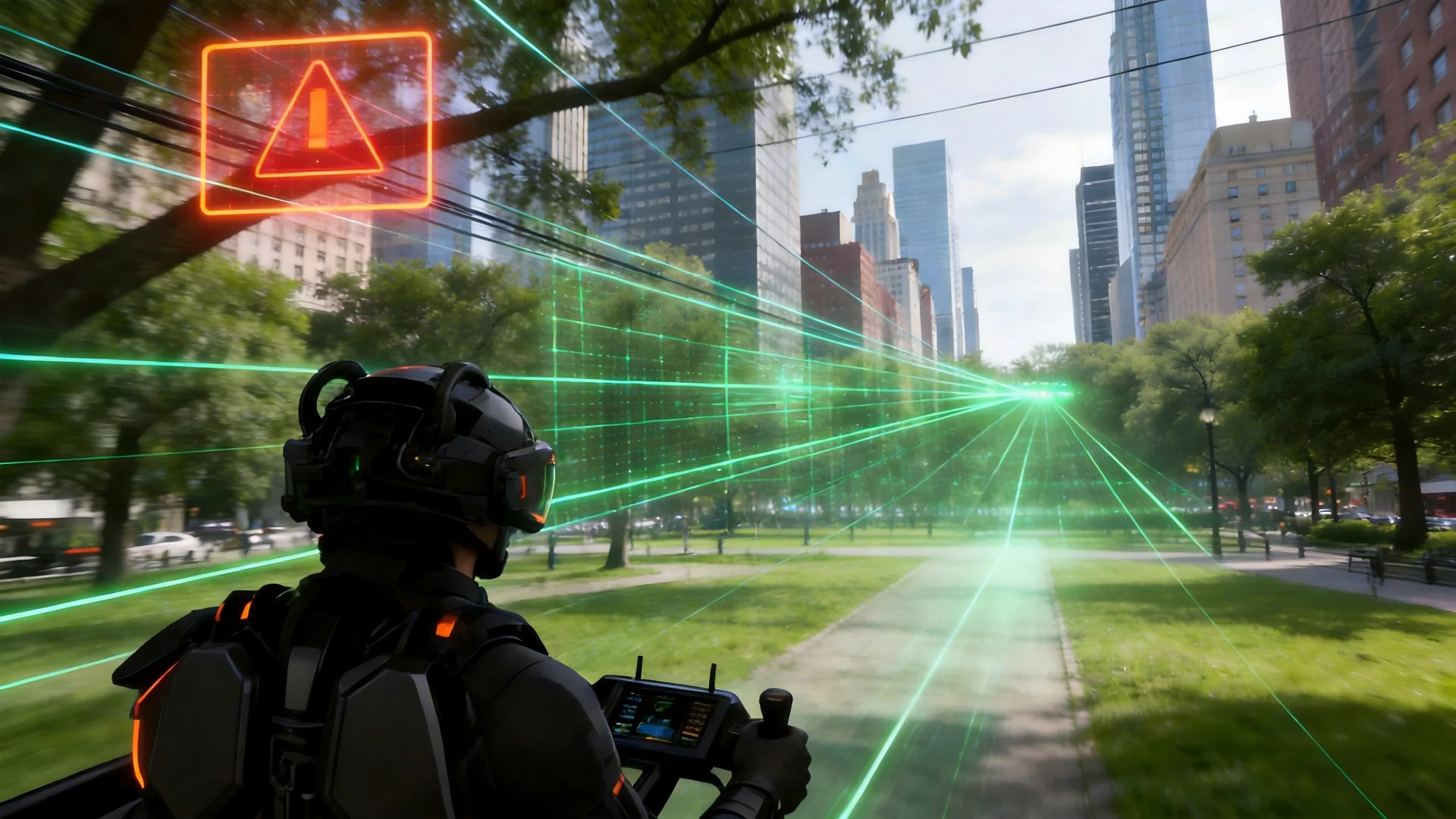
Government rules push these companies to be better. The United States uses a rule called FAA Part 103. This rule covers ultralight vehicles. You do not need a pilot license to fly under this rule. Because normal people will fly these platforms, the machine must forgive human mistakes. The rider does not have emergency buttons. You only can keep your physical balance. The AI intelligent path-planning system must handle all the complex work. It includes autonomous obstacle avoidance. The software scans the air for buildings and power lines. It actively steers you away from danger. This proactive diagnostic system protects the physical frame from collisions.
Building Trust in the Low-Altitude Sky

A flying machine is useless without human trust. People will not ride a scary machine. They need absolute proof of safety. The combination of strong materials, smart software, and enclosed blades builds this trust. We are entering a new age of mobility. The sky will soon host thousands of personal flyers. These machines must monitor their own health perfectly. The Coolfly approach shows us a solid path forward. Until then, you can see our strong commitment to safe reliability engineering. Your daily flights depend on this invisible work.