
Newsroom
The Ultimate Proven Way to Coolfly eVTOL Certification
The Ultimate Proven Way to Coolfly eVTOL Certification
The Real Challenge of Legal Flight
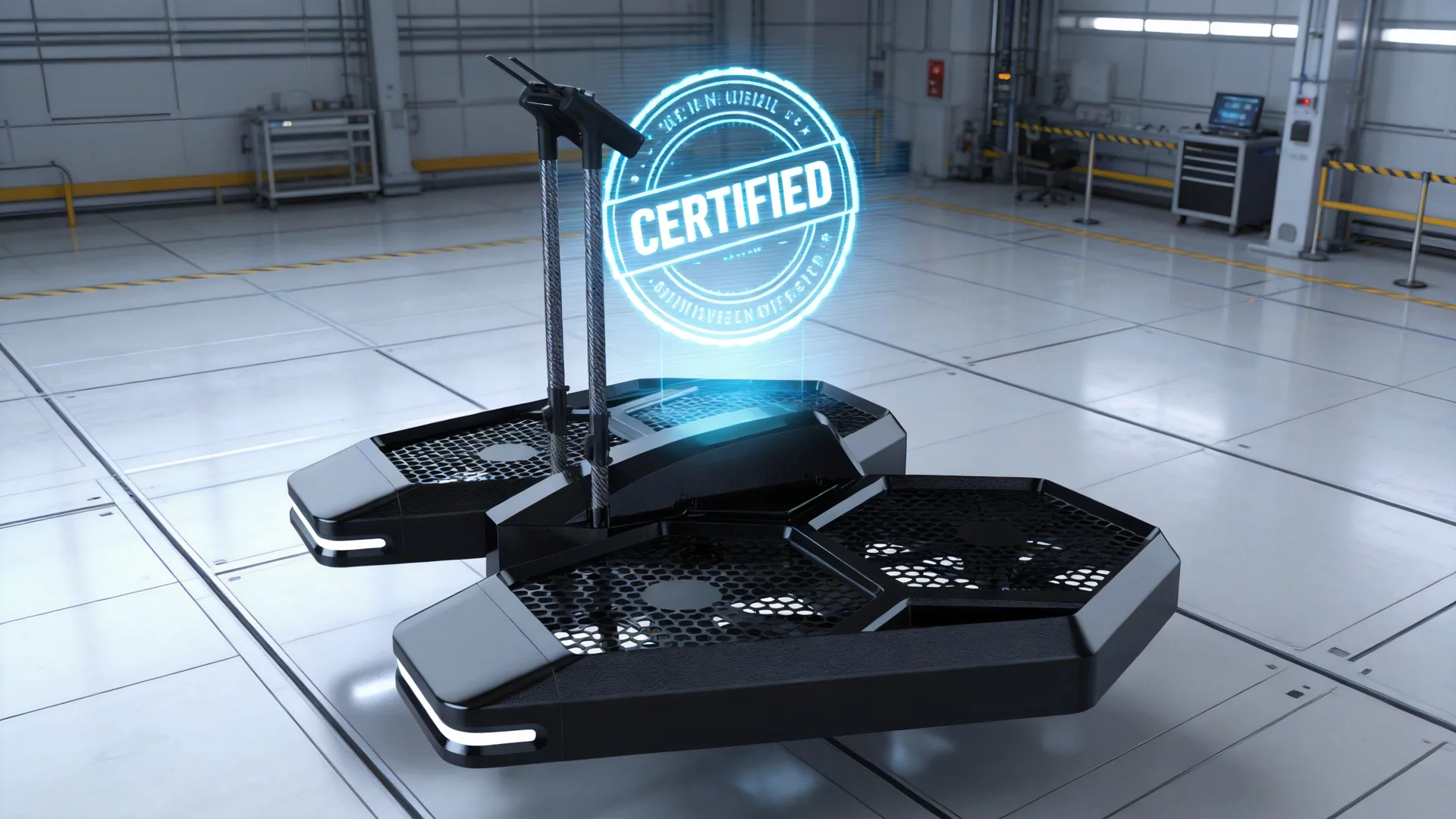
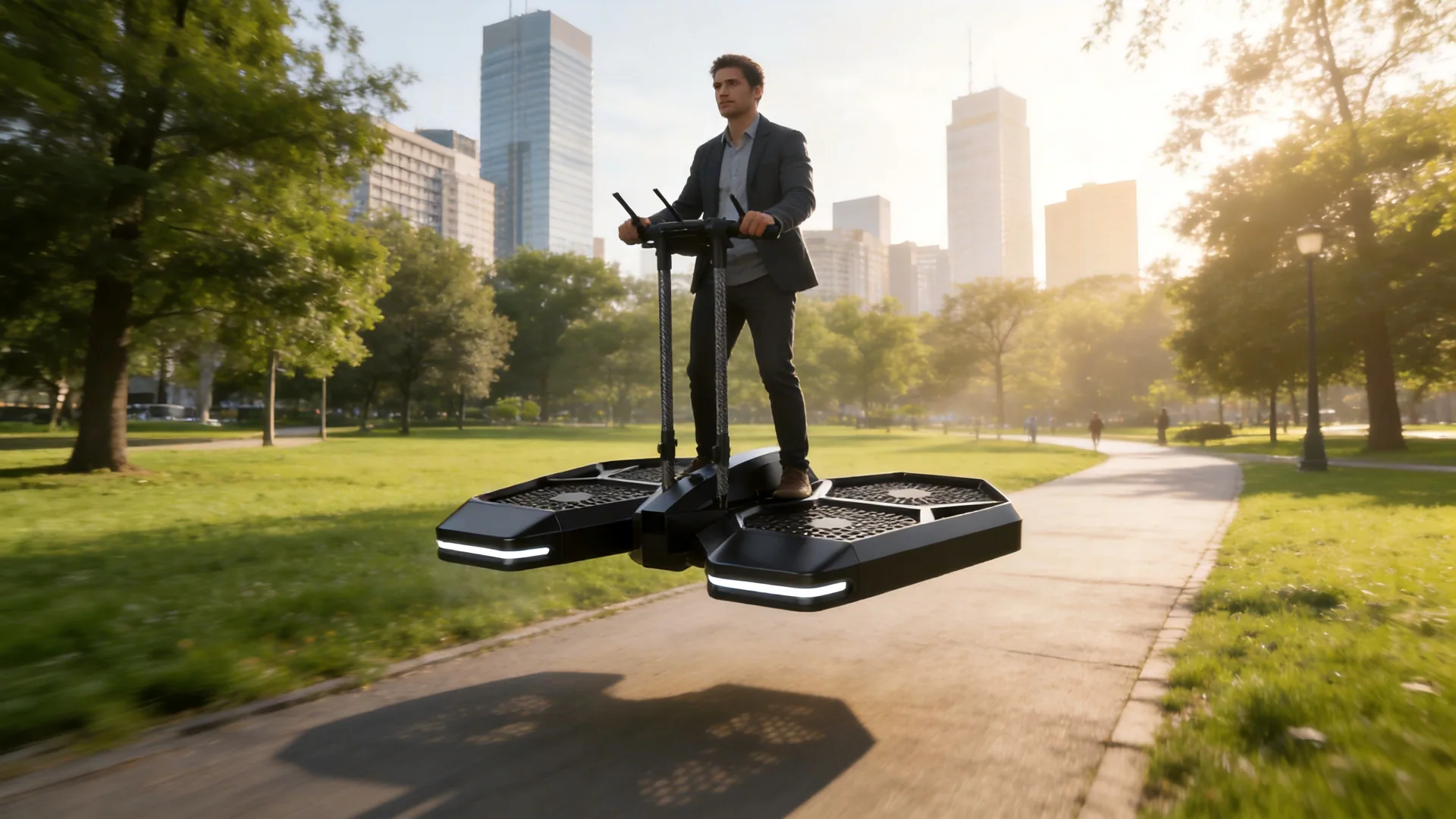
You want to fly to work. You look at the sky and ask, what is evtol aircraft? eVTOL means Vertical Take-Off and Landing. The industry shows us many beautiful pictures of the future. However, beautiful pictures do not solve legal problems. How do you actually put a new electric vtol aircraft in the sky legally? The government must approve the machine. A company called Coolfly introduced a personal evtol at CES 2026. This machine looks like a flying surfboard. You steer it using your body weight. To sell this machine to the public, the makers must pass strict government rules. They solve this practical problem using certification-ready design.
Overcoming FAA Part 103 Weight Limits

Let us look at the actual rules. Coolfly designs its vehicle to meet FAA Part 103 in the United States. This specific rule allows you to fly without a pilot license. But this rule carries a huge restriction. The empty vehicle must weigh less than 254 pounds. As a researcher, I see many aviation startups fail right here. They add too many heavy sensors. Their vtol aircraft becomes too heavy to sell legally. How does Coolfly stay under this strict weight while ensuring complete safety? The engineers use total traceability. Traceability means tracking every single screw and mapping every line of computer code. This process removes unnecessary weight and proves reliability to the government.
Hardware Traceability on the Coolfly Factory Floor
We must start with the physical hardware. Hardware traceability solves the manufacturing problem. Engineers record the exact origin of every single part. The Coolfly frame uses aerospace-grade ultralight materials. If a worker installs a carbon fiber tube, the computer network records its exact factory batch. The vehicle features an enclosed propfan propulsion system. This design hides the dangerous spinning blades inside solid rings.
If one blade vibrates too much during a factory test, the engineers do not just throw it away. They check the trace log and they find the exact machine that cut that specific blade,fix the manufacturing problem at the source. This deep physical tracking prevents mass hardware failures. It proves to regulators that every physical build is perfectly consistent.
Mapping Physical Actions to Coolfly Flight Software
The physical frame is useless without a digital brain. This brings us to the most complex part of certification. Software traceability is much harder to achieve than hardware tracking. You cannot physically touch code. The Coolfly platform uses an AI gravity-sensing flight control system. When you lean your body forward, the machine moves forward. How do regulators trust this invisible AI?
The engineers build a traceability map. They connect the human physical action to the exact line of math in the computer. If the safety rule says "the machine must hover when the rider stands straight," the engineers link this rule to a specific code file. If a test flight shows a delay in hovering, the team does not guess the cause. They follow the digital map backward. They find the exact flawed line of code. This mapping immediately solves software bugs.
Connecting the IMU Sensors to the Code
We see the best example of this mapping in the balance system. The absolute heart of the Coolfly machine is the NA80 triple-redundant IMU control system. An IMU is a sensor that measures tilt and speed. Triple-redundant means the craft carries three identical sensors. If sensor A breaks, sensor B takes over instantly.
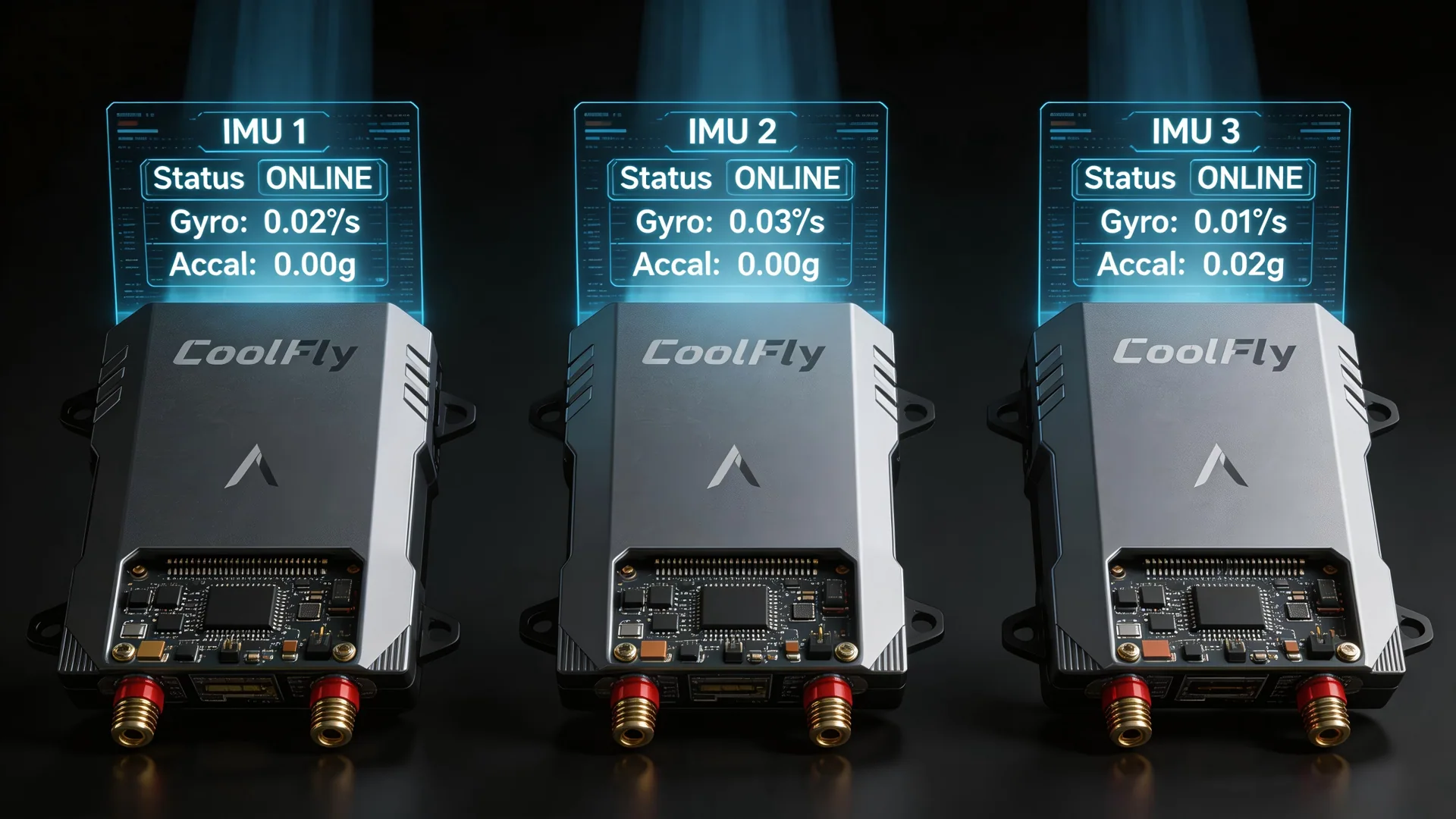
How does the software actually know sensor A broke? The code must trace the health of all three sensors every millisecond. The engineering team maps the physical IMU wires directly to the diagnostic software logic. I do not have Coolfly's private programming files. I cannot tell you the exact coding language they use. But modern aviation standards demand this tight physical-to-digital connection. This strict mapping proves the backup system works flawlessly before the machine ever leaves the ground.
Building the Future Through Strict Tracking
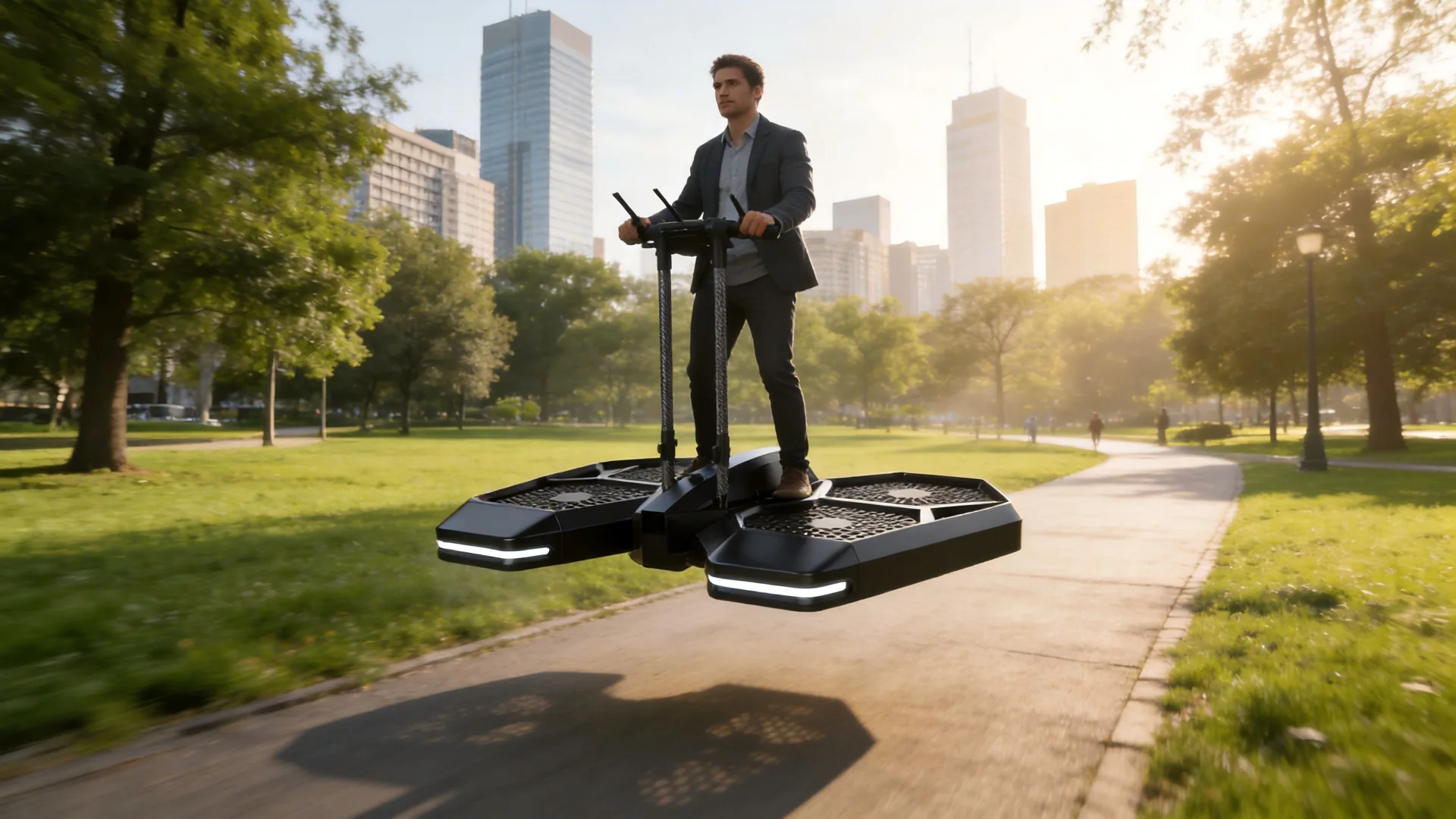
The future of flight relies on this deep engineering paperwork. Exciting test flights usually get the news headlines. But traceability actually builds the foundation of the industry. People will only buy a personal evtol if the government certifies it as safe. Coolfly shows a very clear, professional path to the consumer market. We combine ultralight materials with strict tracking from the factory floor to the digital cloud. People need this deep professional design approach to make the daily commute safer. We wait for more companies to adopt this strict hardware and software tracking. When they finally do, the sky will safely open up for everyone.