
Newsroom
What is a vtol aircraft?
What is a vtol aircraft
VTOL stands for Vertical Take-Off and Landing. It refers to a category of aircraft that can take off, hover, and land vertically, without the need for a traditional runway.
Think of a VTOL as a 'hybrid' of a helicopter and a plane.
Even though we all know helicopters can go straight up and down, the term VTOL is usually used for a new generation of aircraft. These are designed to take off like a helicopter (so they don't need a runway) but then fly fast once they're in the air, just like a regular airplane. Many of these new designs are even powered by electricity, making them like the 'electric cars' of the sky.
How VTOL Works
So, how does it actually work? Most planes need to race down a runway to get enough air moving over their wings to lift up. But a VTOL does things differently.
To take off, it simply points its engines or propellers straight down at the ground. It literally pushes itself up into the air, just like a rocket or a helicopter.
Once it’s high enough, it performs a 'transition.' It tilts its engines forward (or starts up a second set of propellers) to begin moving ahead. As it picks up speed, the wings take over and start doing the heavy lifting. This is the 'secret sauce' because flying on wings uses way less energy than hovering, making the whole trip much more efficient.
Main Types of VTOL Aircraft
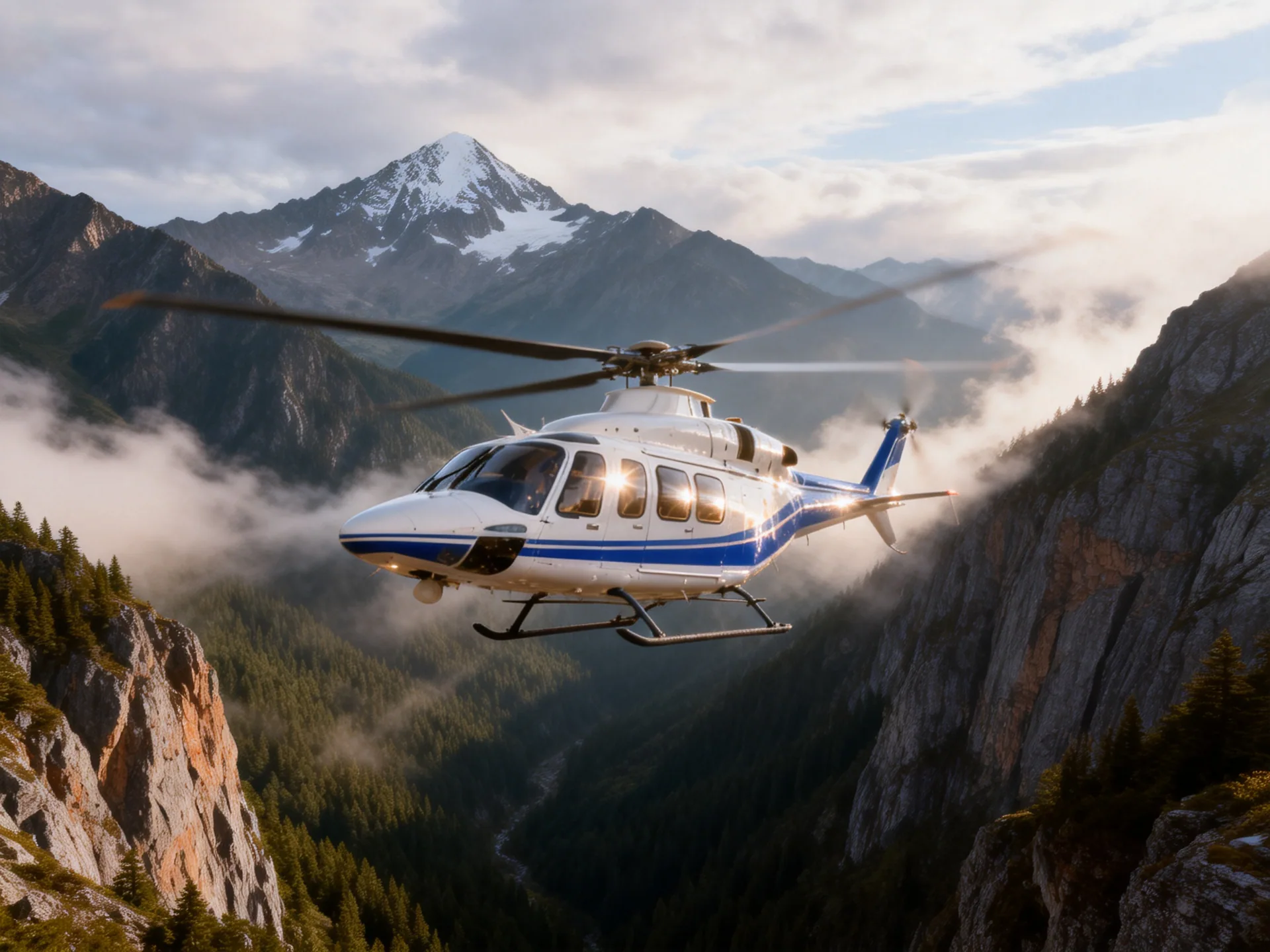
1. Rotorcraft (Helicopters)
Think of these as the 'OG' of the VTOL world. They use those big blades on top to do everything—they provide the lift to get off the ground and the power to move forward.
The downside? Because they have to use so much muscle just to stay in the air, they aren't built for speed. It’s like a marathon runner trying to run while also carrying a heavy backpack; they are amazing at staying in one spot (hovering), but they aren't very efficient or fast if you’re trying to travel a long distance.
2. Powered Lift (Vectored Thrust)
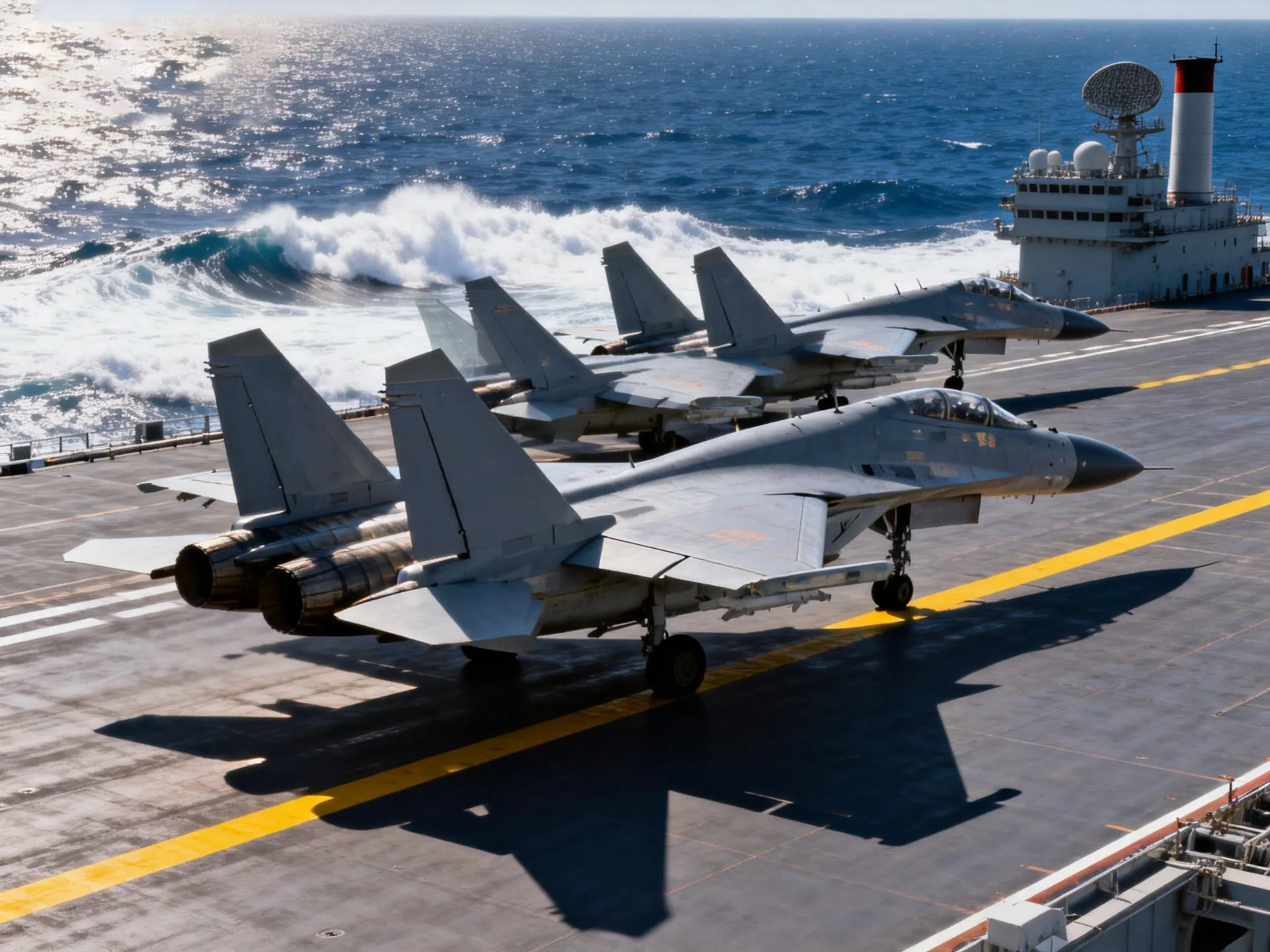
Next up is Powered Lift, or what I like to call 'The Muscle.'
These are usually high-tech military fighter jets. Unlike a helicopter with its big blades, these jets don't have rotors on top. Instead, they have incredibly powerful engines that can literally point their exhaust nozzles straight at the ground.
Imagine a garden hose with high-pressure water. If you point it down hard enough, the hose will want to jump up. These jets do exactly that with fire and air to 'blast' themselves off the ground.
The most famous examples are the Harrier Jump Jet and the F-35B. Once they get high enough, they swivel those nozzles back to point behind them, and they take off like a rocket, flying way faster than any helicopter ever could.
3. Tiltrotors
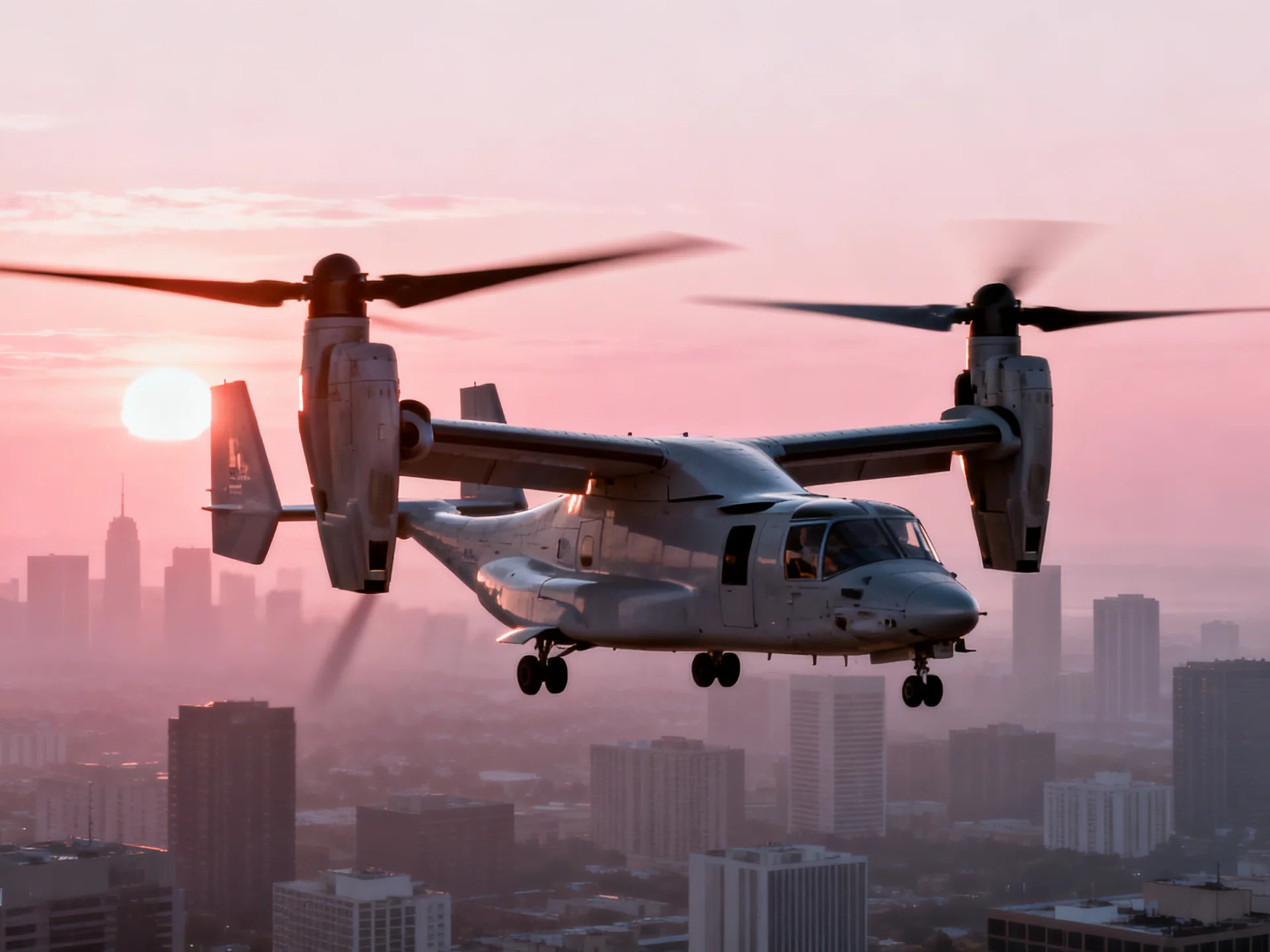
Think of a Tiltrotor as the perfect middle ground between a helicopter and a regular airplane.
They have big propellers on the tips of their wings. For takeoff, these propellers point straight up, allowing the craft to lift off the ground just like a helicopter. But here’s the cool part: once it’s in the air, the entire engine 'tilts' forward 90 degrees.
Suddenly, those lift-rotors become pull-propellers, and the aircraft zooms ahead like a fast transport plane. The V-22 Osprey is the most famous example of this. It gives you the 'go-anywhere' freedom of a helicopter with the long-distance speed of a plane.
4. eVTOL (Electric VTOL)
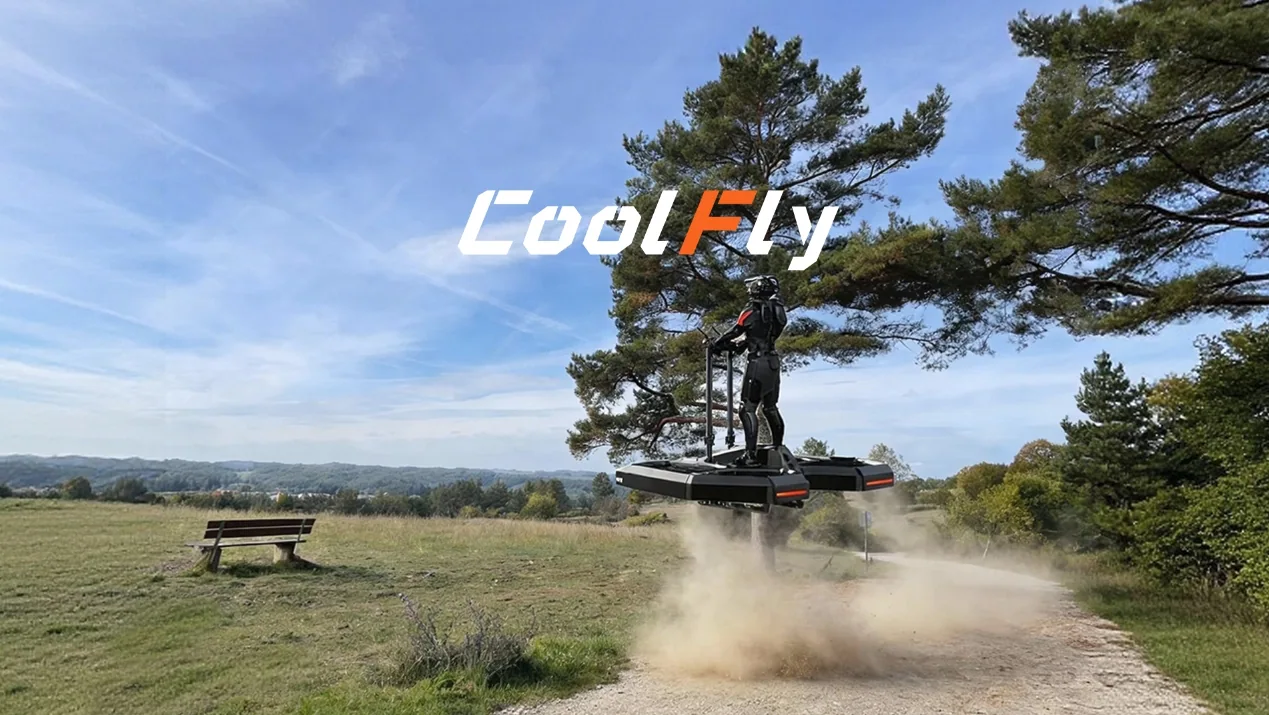
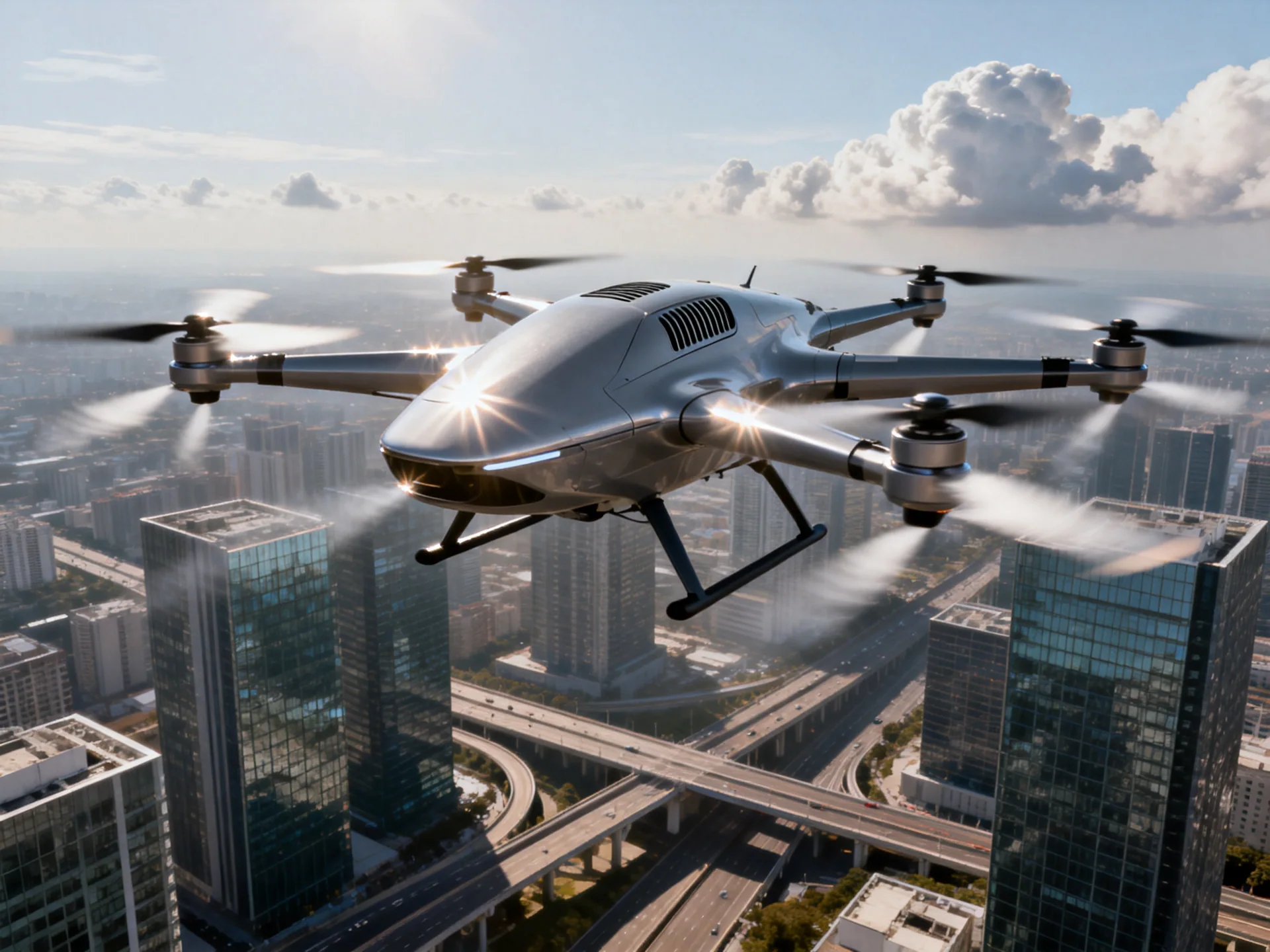
Think of an eVTOL as the 'electric car' of the sky.
If you’ve ever seen a balance scooter, these are basically giant flying versions of that, designed for carrying people.
Instead of one big, loud engine like a helicopter, it uses multiple small electric motors, making it quiet enough to land front door or parking spot without disturbing anyone. Since it runs on batteries, it's much easier to operate and sustainable for the environment.
Companies like Joby and Archer are building these to be "flying taxis," so you can eventually use an app to book an air taxi right over the top of city traffic.
Why are VTOLs important?
So, why are VTOLs such a big deal, and what’s stopping us from using them everywhere?
First, they don't need runways. Because they can land on a rooftop or a tiny clearing, they are perfect for rescuing people or getting around crowded cities. They basically give you the "best of both worlds"—you get the agility of a helicopter for takeoff, but the high speed of a plane once you're moving. The goal is to turn a miserable 90-minute traffic jam into a quick 10-minute flight.
The Challenges
However, it’s not all easy. Lifting straight up into the air takes a massive amount of battery power—way more than just rolling down a runway. Plus, the technology needed to switch from "hovering" to "flying forward" is incredibly complex to build safely. Finally, there's the noise issue. While the new electric ones are better, older VTOLs are still way too loud to have landing in your backyard every five minutes.
Would you like to know how CoolFly is solving that battery power or safety innovation problem to make longer flights possible?Please leave the message or connect with us.