
Newsroom
What is eVTOL Aircraft? Stunning Coolfly Secrets
What is eVTOL Aircraft? Stunning Coolfly Secrets
Many people look at the sky and dream of moving through the air as easily as they walk down the street. We are now seeing the tools that can make this happen. You might have heard terms like evtol or vtol aircraft. But what is eVTOL aircraft exactly? In simple terms, it is a vehicle that can take off and land straight up, like a helicopter, but it flies forward like a plane. Most of these new machines use electric power. This is why we call them electric vtol aircraft.
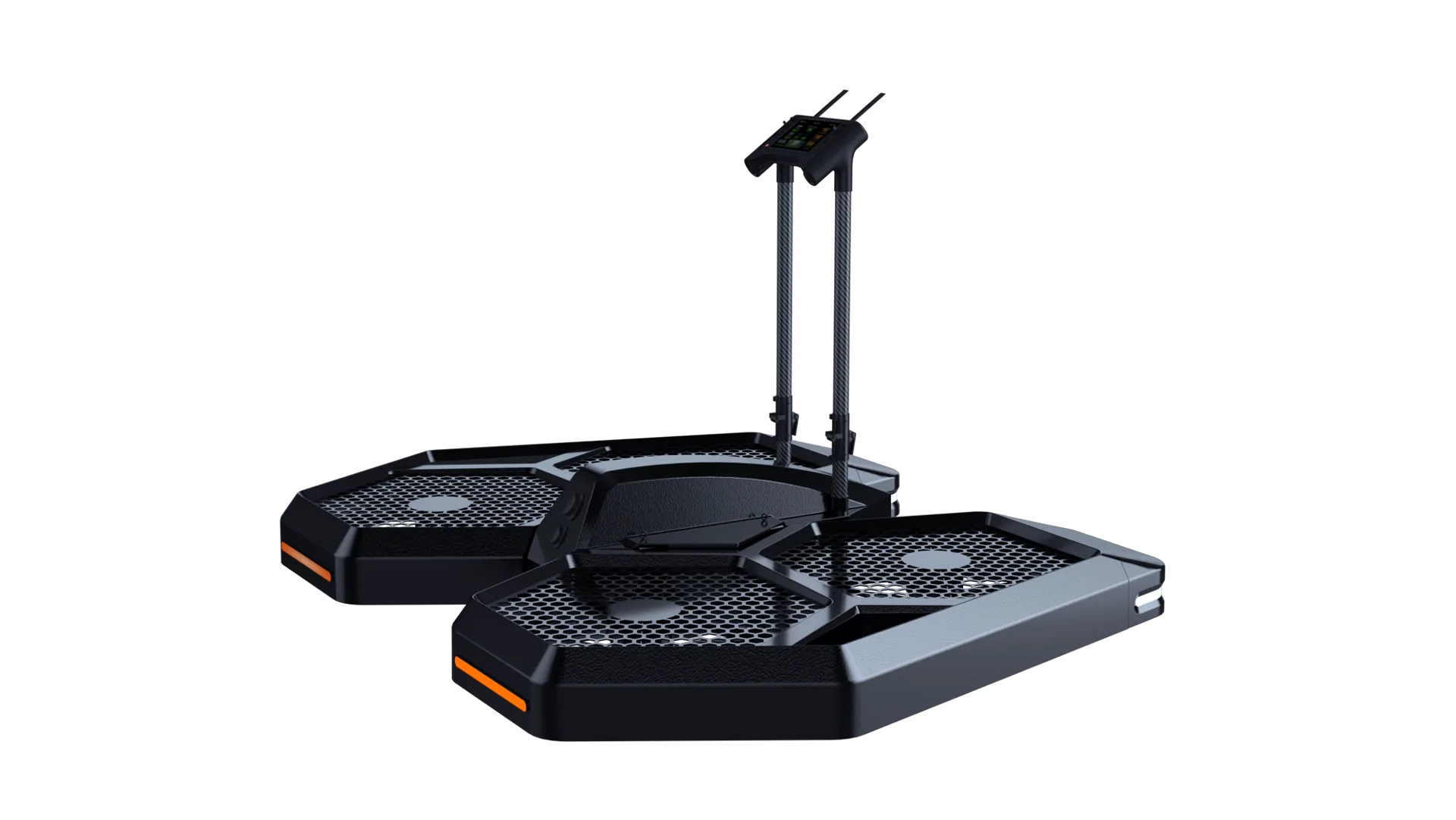
Building these machines is a huge challenge. A plane must be light enough to fly but strong enough to stay safe. It also needs an engine that can push it through the air without using too much energy. Companies like Coolfly are leading the way by focusing on two main things: what the eVTOL aircraft is made of and how it moves. These two parts, materials and propulsion, are the keys to a stable and efficient future in the sky.
The Battle Against Weight
Weight is the biggest enemy of flight. If an eVTOL aircraft is too heavy, the motor has to work harder. This drains the battery fast. To solve this, engineers look for the lightest materials on earth.
In our research into modern aviation, we have found that carbon fiber is the top choice. Carbon fiber is a material made of very thin, strong threads of carbon. It is much lighter than aluminum or steel, but it is often stronger.Coolfly uses carbon fiber for the body of the aircraft, we save a lot of weight. This weight saving is not just about flying faster. It is about staying in the air longer. Coolfly has observed that reducing the weight of a frame by even a small amount can increase the flight time by several minutes. In the world of vtol aircraft, those extra minutes are very valuable for rescue missions or long trips.
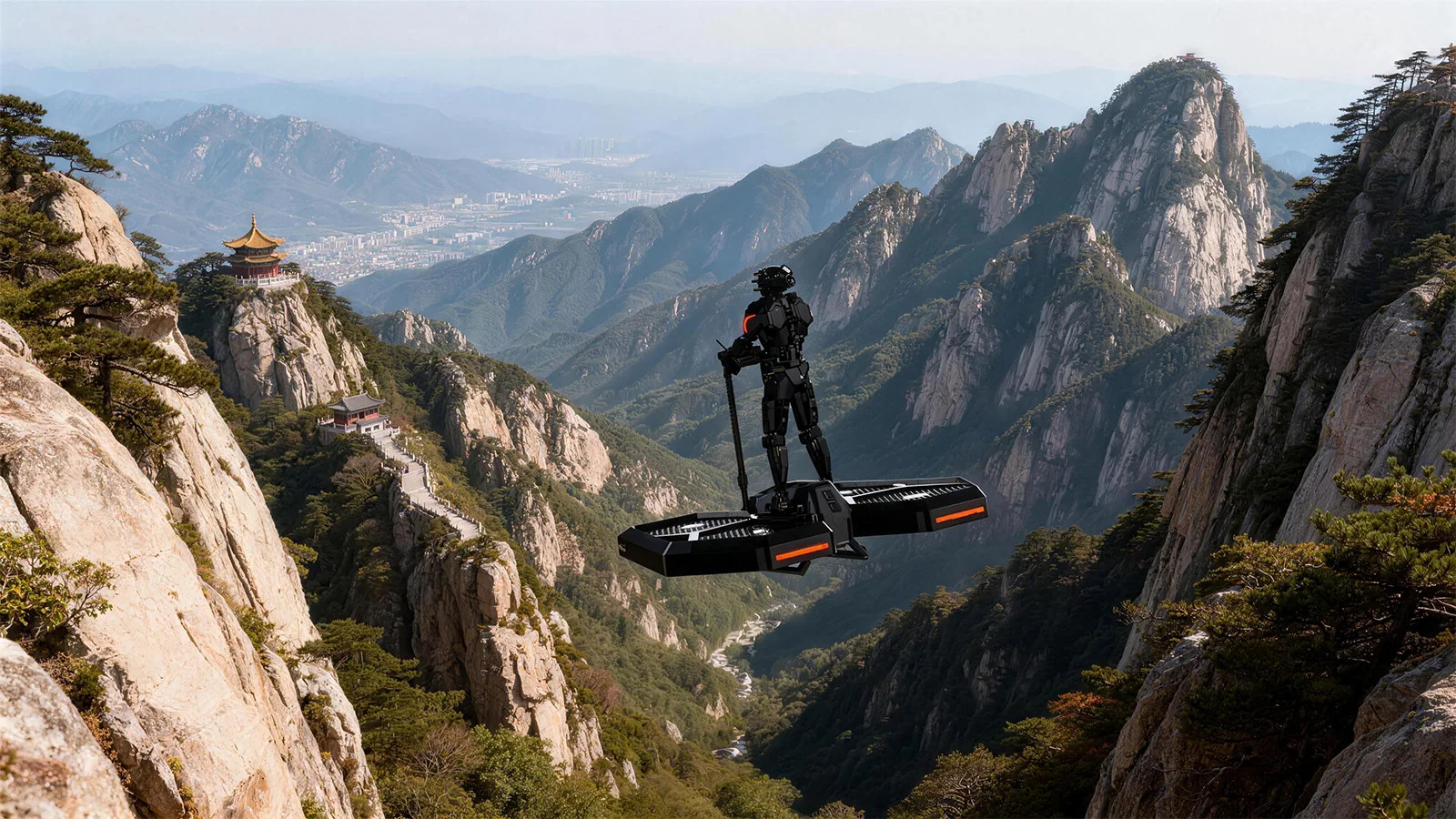
However, being light is not enough. The material must also be stiff. When a vtol transitions from standing still to flying forward, the frame feels a lot of stress. If the wings or the body bend too much, the flight becomes shaky. This is why high-quality composites are necessary. They keep the vehicle steady so the pilot feels safe. According to experts in aerospace design, "Carbon-fiber-reinforced polymers provide the high stiffness-to-weight ratio required for advanced air mobility" (Galiotto 45). Using these materials is the first step toward a successful future.
The Power of Electric Propulsion
The second part of the puzzle is propulsion. This is the system that pushes the aircraft forward. In the past, we used loud, heavy gas engines. Today, the focus has shifted to electric motors.
An electric vtol aircraft uses several small motors instead of one big engine. This is called distributed propulsion. If one motor fails, the others can keep the vehicle in the air. This makes the eVTOL much safer than older designs. We have noticed that electric motors are also much simpler than gas engines. They have fewer moving parts. This means they do not break as often and they are easier to fix.

Efficiency is the main goal here. A motor must turn electricity into thrust with very little waste. Waste usually comes in the form of heat. If a motor gets too hot, it is losing energy. Coolfly works on making these motors work perfectly with the battery. By using smart controllers, the aircraft can adjust the power to each motor in real-time. This helps the vehicle stay level even when the wind is blowing hard. This constant adjustment is what creates the stability we need for personal flight.
Why Stability Matters
Stability is not just about comfort. It is about safety. When you are flying an eVTOL aircraft, you want the machine to feel like an extension of your own body.
Stability comes from the hardware and the software working together. The propulsion system must react instantly to changes in the air. If a sudden gust of wind hits the side of the aircraft, the motors on that side must speed up immediately. This happens in milliseconds.
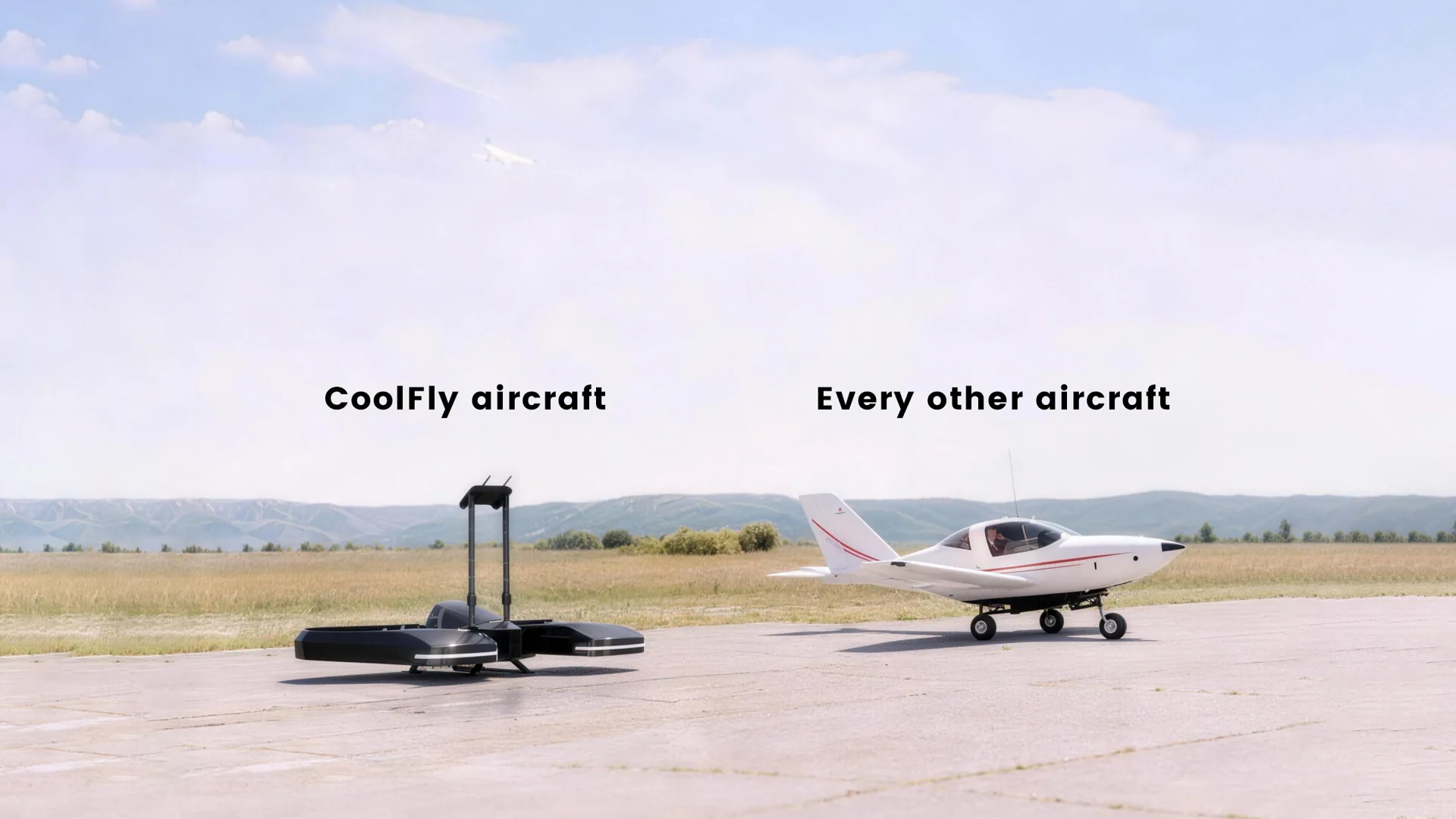
We have experienced how this works in testing labs. The computer monitors the balance of the aircraft thousands of times every second. Because electric motors can change their speed much faster than gas engines, the response is nearly instant. This is a major capability of the vtol. It allows for a smooth ride even in "dirty" air near tall buildings.Without this high-speed propulsion, the low-altitude economy would be too dangerous for regular people.
Energy Management and the Future
The biggest limitation for any electric vtol aircraft today is the battery. Batteries are heavy and they do not hold as much energy as gasoline. This is why efficiency is so important.
Every part of the Coolfly design is built to save energy. The shape of the wings reduces drag. The light materials reduce the load. The high-efficiency motors ensure that every drop of electricity is used for movement.
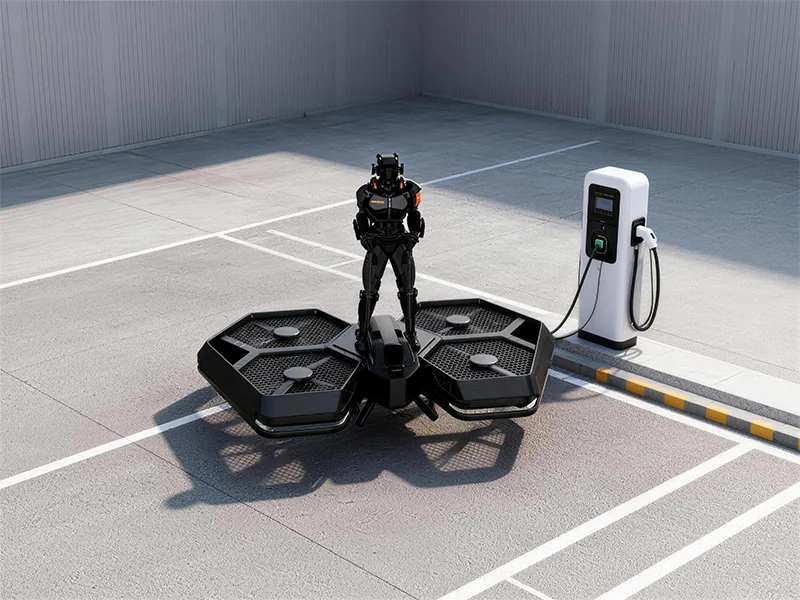
I believe we are waiting for a "battery revolution." But until that happens, we must use what we have in the smartest way possible. Some researchers are looking at hybrid systems that use a small generator to charge the battery while flying. This could allow for much longer trips. However, the goal for most cities is a pure electric future. This will keep our air clean and our streets quiet.
A New Way to Move
The success of eVTOL aircraft depends on the perfect marriage of materials and propulsion. We need the strength of carbon fiber and the precision of electric motors.
When these two things work together, flight becomes a tool for everyone. And it is no longer a privilege reserved for experts. Medics can now use this speed to reach patients much faster. Similarly, it helps the daily worker skip the stress of traffic. It is for anyone who wants to see the world from a new angle.
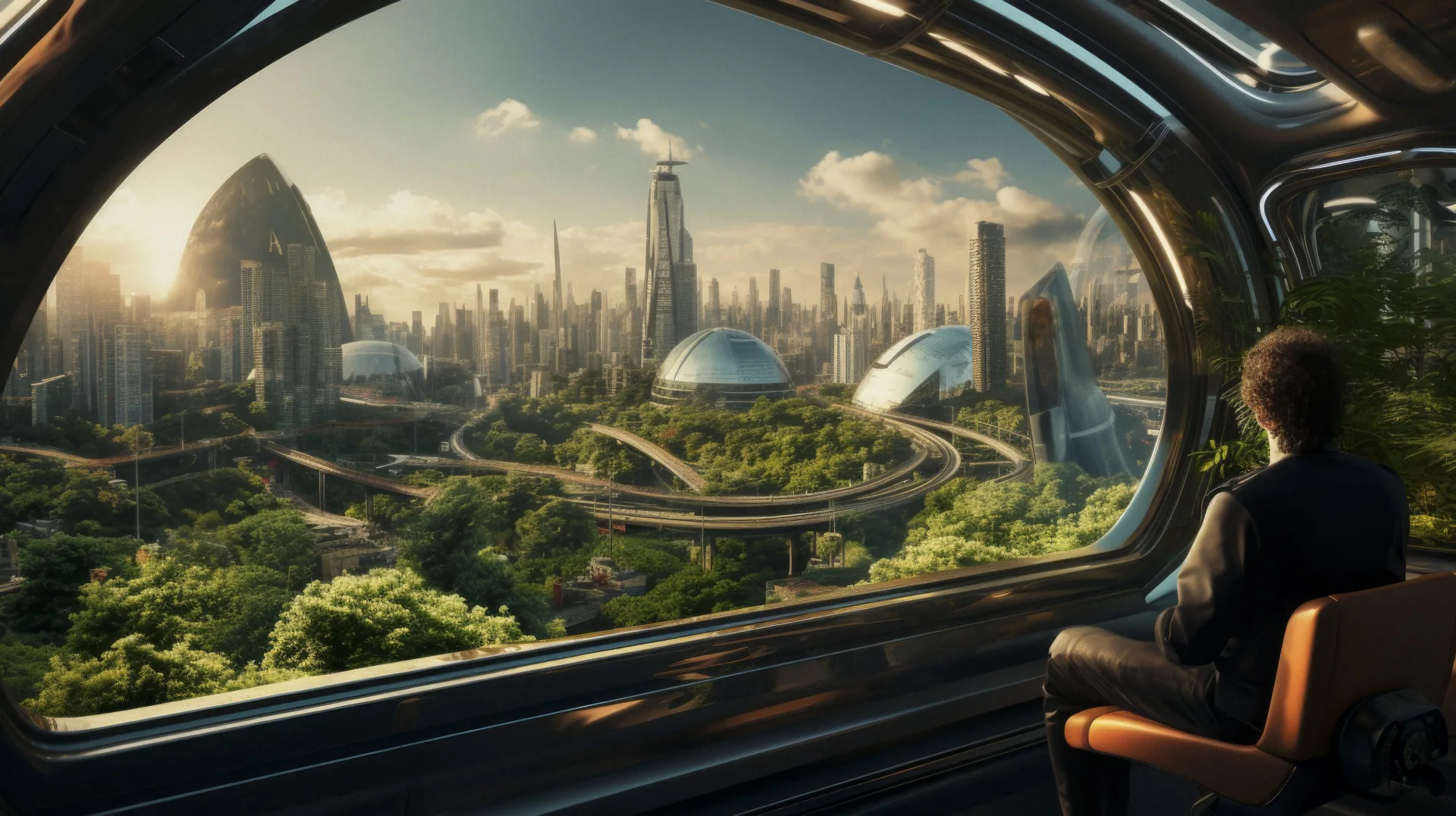
As companies like Coolfly continue to refine these technologies, we will see more machines in our skies. The transition will be slow at first, but it is certain. We are moving toward a time where the physical limits of the ground no longer stop us. By understanding the materials and the power behind these flights, we can better prepare for the world of tomorrow.