
Newsroom
Why Coolfly eVTOL is the Proven Secret to Success
Why Coolfly eVTOL is the Proven Secret to Success
Coolfly eVTOL: Architectural Resilience and Raw Material Stability in the Age of Personal Flight
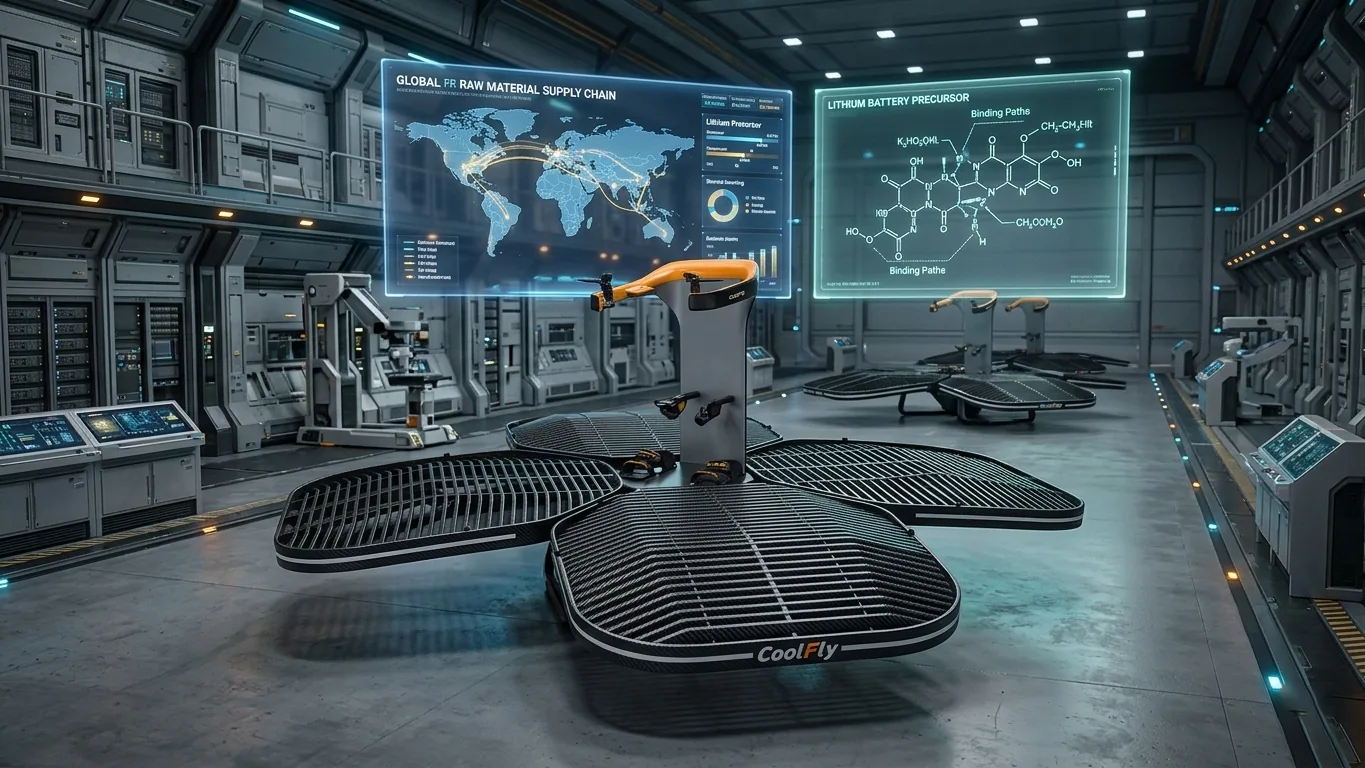
Coolfly is currently redefining the boundaries of urban air mobility (UAM) through its pioneering center-of-gravity (CoG) sensing standing flight vehicle, a breakthrough that necessitates a rigorous re-evaluation of supply chain resilience. As the global landscape for evtol aircraft matures, the industry is shifting its focus from mere conceptual prototypes to the brutal realities of industrial-scale production.
For a platform as specialized as the Coolfly standing eVTOL, the stability of raw materials—ranging from high-modulus carbon fibers to high-energy-density battery precursors—is not merely a logistical concern; it is the fundamental bedrock of flight safety and market scalability.
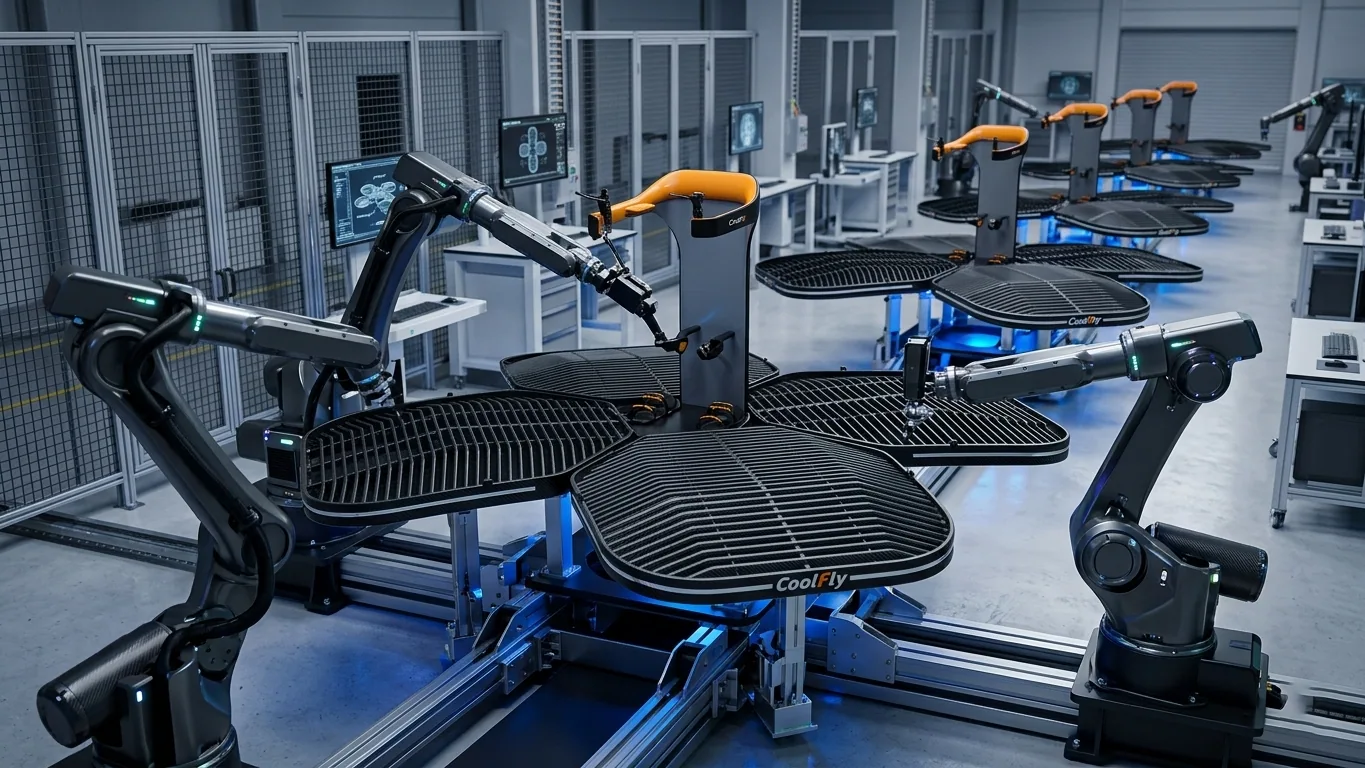
To understand the stakes involved, one must first address a foundational question: what is vtol aircraft technology in the context of personal, standing transport? Unlike traditional fixed-wing aircraft or even large-scale evtol aircraft designed for regional transit, Coolfly’s architecture relies on rapid-response motor adjustments driven by the pilot's natural body movements.
This "intuitive flight" requires a degree of structural rigidity and power-to-weight optimization that places immense pressure on the sourcing of specialized materials. My observations of current industry trends suggest that the volatility in the carbon fiber and rare earth magnet markets poses a significant risk to any manufacturer that does not exercise direct control over its upstream dependencies.
The Structural Core: Advanced Composites in Coolfly Design
Transitioning from the conceptual framework to physical construction, the fuselage of an evtol aircraft must reconcile the conflicting demands of extreme lightness and structural integrity.
Coolfly utilizes T800 grade carbon fiber composites to ensure that the airframe can withstand the torsional stresses inherent in standing flight maneuvers. However, the global supply of aerospace-grade carbon fiber is often subject to fluctuations caused by the surging demand in the commercial aviation and renewable energy sectors.
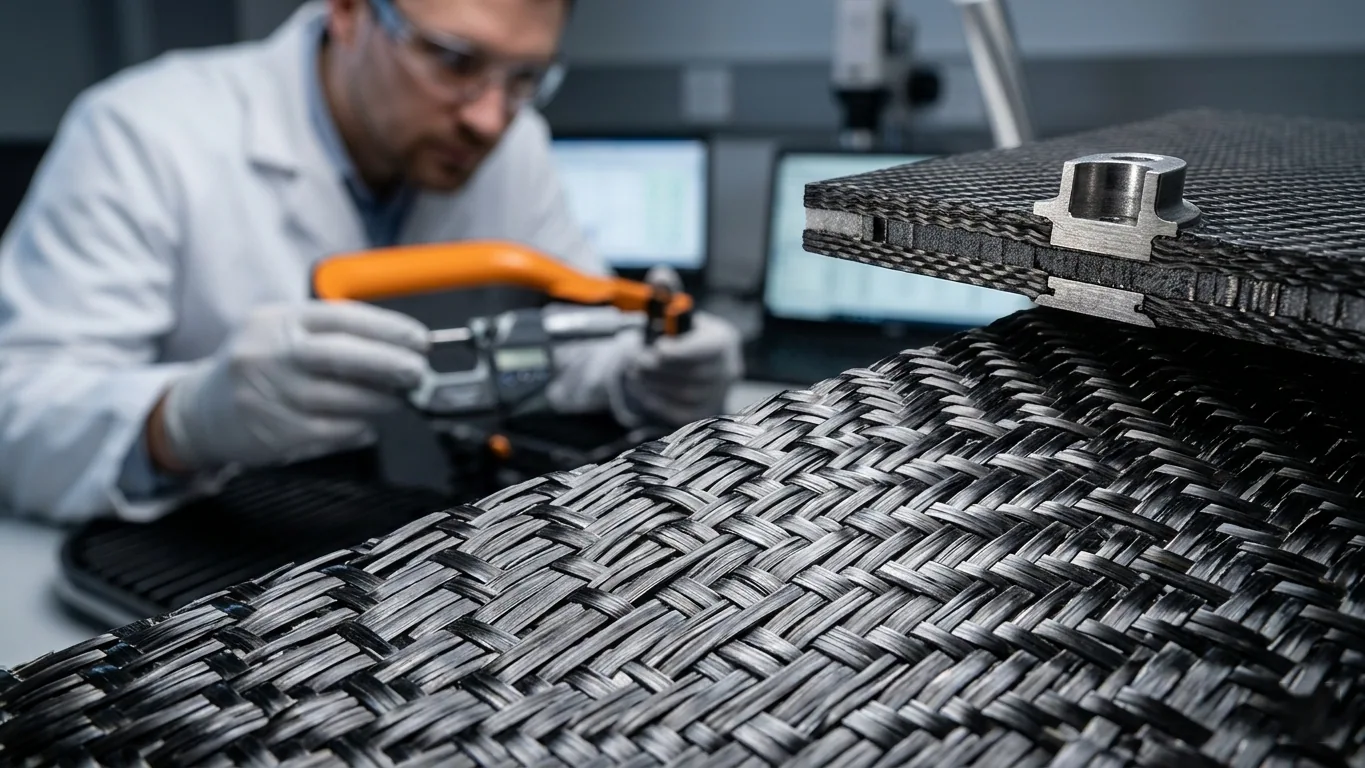
When analyzing the stability of these materials, it becomes evident that the "just-in-time" delivery model is no longer sufficient. Research indicates that the precursor for carbon fiber, polyacrylonitrile (PAN), is sensitive to crude oil price volatility and regional manufacturing disruptions. For Coolfly to maintain its competitive edge, the firm must engage in long-term off-take agreements with Tier 1 suppliers.
This strategic positioning ensures that even when the broader market for electric vtol aircraft faces a shortage, the production of the Coolfly chassis remains unhindered, thereby preventing the "bottleneck effect" that has plagued so many hardware startups in the past decade.
Propulsion and Energy: The Rare Earth and Lithium Paradigm
A critical aspect of how do electric vtol aircraft work—particularly those utilizing CoG sensing—is the instantaneous torque delivery of the brushless DC (BLDC) motors. These motors are the heart of the Coolfly system, translating subtle weight shifts into precise aerial positioning. The stability of the supply chain for Neodymium-Iron-Boron (NdFeB) magnets is, therefore, paramount.
As China dominates nearly 90% of the global rare earth processing market, any geopolitical friction can lead to a surge in motor costs or, worse, a complete halt in production.
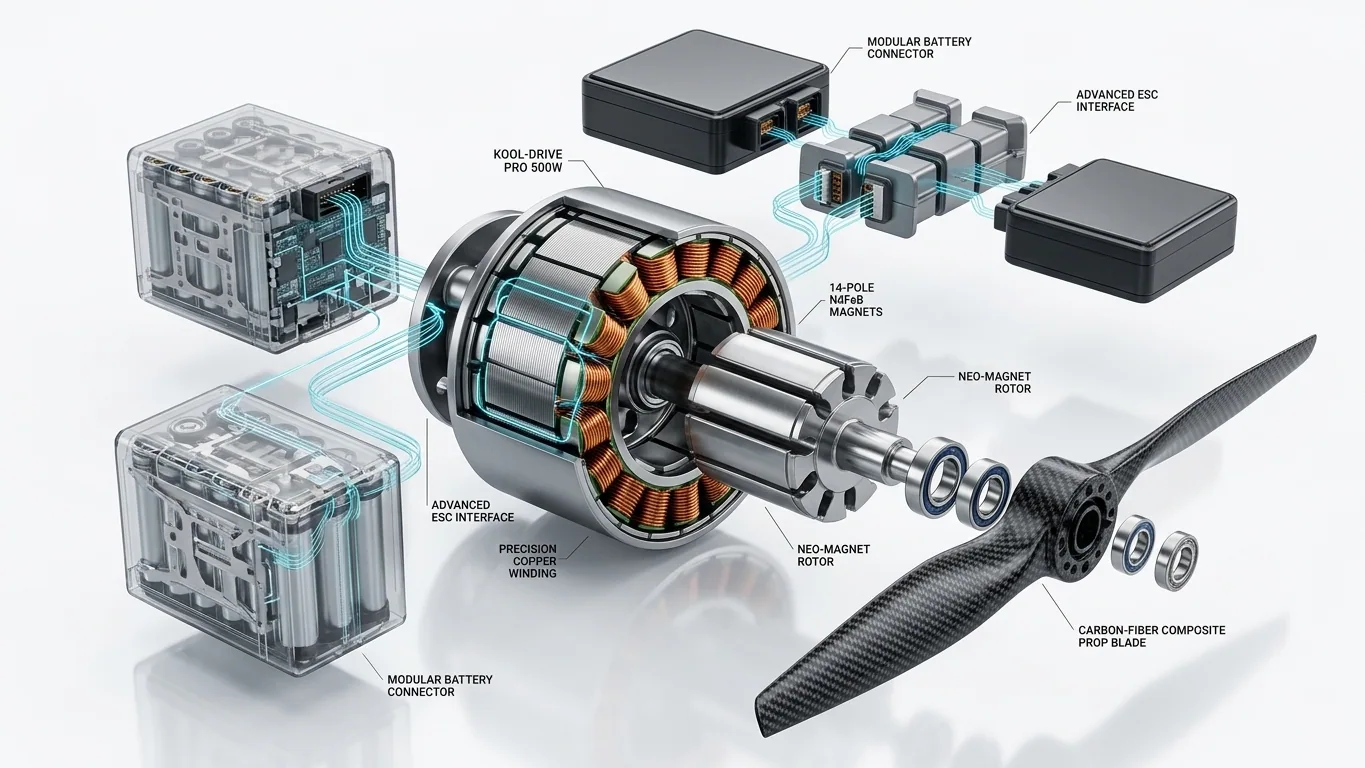
Furthermore, the battery pack—the lifeblood of the future of UAM—requires a stable influx of high-purity lithium, cobalt, and nickel. Unlike consumer electronics, the batteries for a vtol vehicle must sustain high C-rates (discharge rates) during takeoff and landing while maintaining thermal stability. Our research into the Coolfly supply chain suggests a focus on NCM (Nickel Cobalt Manganese) chemistries that offer a balance between energy density and safety.
To mitigate the risk of price spikes, industry leaders are increasingly looking toward vertical integration or localized mineral processing. The question remains: can the industry evolve fast enough to decouple itself from volatile spot markets? Coolfly’s approach to diversifying its cell suppliers is a proactive step in addressing this systemic vulnerability.
Coolfly’s Strategic Mitigation of Supply Chain Disruptions
Beyond the physical materials, the stability of the supply chain is intrinsically linked to the "intellectual" raw materials—the semiconductors and flight control sensors that enable CoG sensing. The "Coolfly brain" requires high-reliability IMUs (Inertial Measurement Units) and rapid-processing microcontrollers.
The recent global chip shortage served as a stark reminder that even a $1 component can stall the production of a million-dollar aircraft.

By fostering a localized ecosystem of component manufacturers, Coolfly reduces its exposure to transoceanic logistics risks. This regionalized strategy, often referred to as "near-shoring," allows for tighter quality control and faster iteration cycles.
As we look toward the future of personal flight, the ability to rapidly pivot material sourcing without compromising on FAA or EASA certification standards will be the true differentiator.
The stability of a supply chain is not defined by the absence of crises, but by the robustness of the contingency plans in place.
The Path Forward for Coolfly and the eVTOL Sector
In summary, the transition from experimental flight to a ubiquitous urban transportation reality hinges on a transparent and stable supply chain.
The coolfly standing flight vehicle represents a paradigm shift in how we perceive individual mobility, but its success is tethered to the global availability of high-performance materials. By addressing the vulnerabilities in carbon fiber procurement, rare earth magnet sourcing, and battery precursor stability, Coolfly is not just building a vehicle; it is building a resilient industrial ecosystem.

As the market for vtol aircraft continues to expand, the focus must remain on the granular details of raw material sourcing. Are the current extraction rates sustainable? Can recycling technologies for carbon fiber and lithium-ion batteries mature in time to offset primary mining demands?
These are the questions that will define the next decade of aviation. For now, Coolfly’s commitment to supply chain transparency and strategic sourcing provides a credible blueprint for the rest of the electric vtol aircraft industry to follow.